Delivery from €16,90 per winemaker in Europe (excluding the United Kingdom)

Unbeatable !
How do you keep a bottle of champagne?
Preserving Champagne: The Art of Aging and Storage
The Enigmatic Image of Wine Cellars
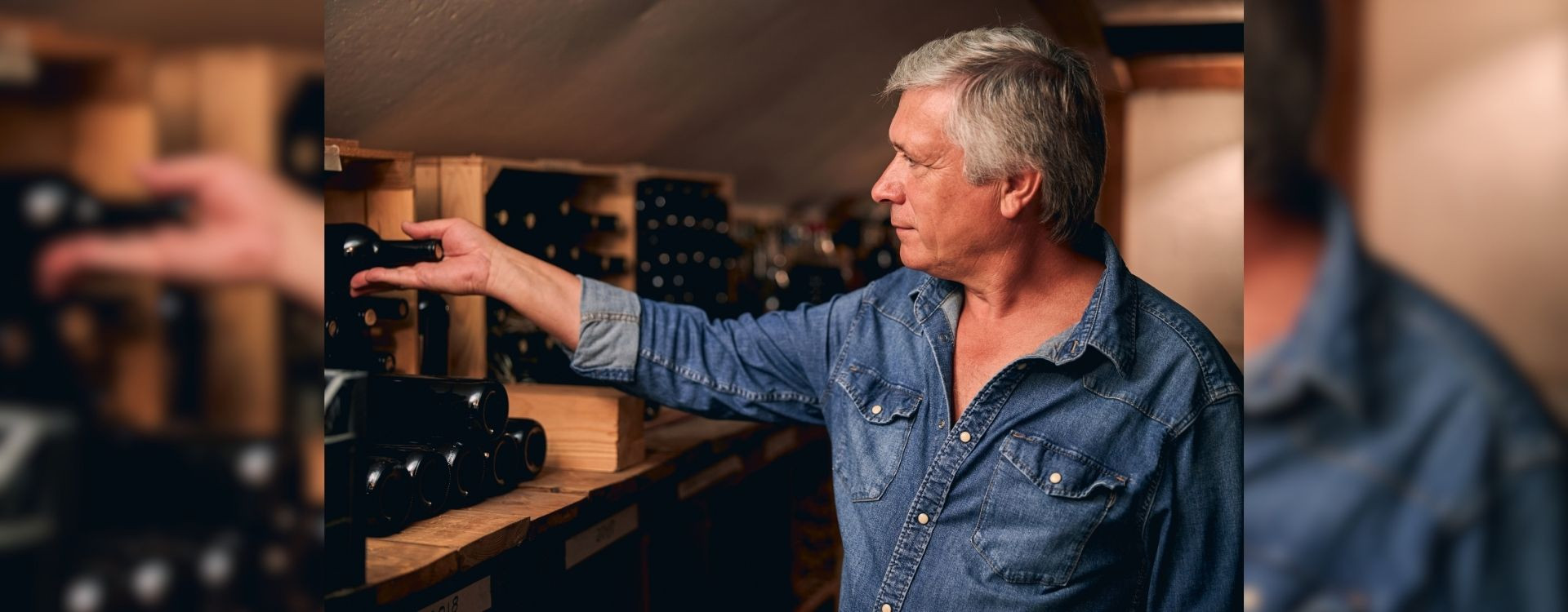
The image of wine cellars is a powerful one in the mind of a wine enthusiast. Picture all those vintage bottles nestled against each other, silently aging while awaiting the moment of tasting. We cherish the idea of examining their labels with a certain reverence, hesitant to disturb a bottle from its slumber prematurely. While this imagery often conjures thoughts of red wines in maturation or sweet whites, where do Champagnes fit into these cellars? How should a bottle of Champagne be stored? Does Champagne have aging potential, and if so, how long can it be kept? As it turns out, Champagne, like all wines, evolves following its fermentation process.
Are Champagnes Wines for Aging?
When thinking about aging wine, red wines or sweet wines often come to mind. However, all grape varieties are subject to aging after fermentation, and Champagne bottles are no exception. Discussing the aging of Champagne requires distinguishing between two categories. Non-vintage Champagnes are designed to be preserved in optimal conditions to maintain their original taste. These bottles are crafted by blending several already-aged cuvées, a delicate science and art intended to be enjoyed close to the winemaker’s vision. They generally have a maximum shelf life of five years. Vintage Champagnes, which are rarer, come from a single year’s harvest. Due to this characteristic, these bottles can be aged to develop the grape varieties within them. If stored under ideal conditions, they offer a longer aging potential.
Factors Affecting Champagne Storage
Like all wines, Champagne prefers to age in a calm environment, shielded from light, cool, and humid. Whether aging or simply storing Champagne, understanding how the bottle’s environment impacts its maturation is crucial.
Noise and Vibrations
The notion that bottles should not be disturbed prematurely is quite real. Vibrations, especially from noise, can stir up sediments and adversely affect the wine's aging. Ensure your bottles remain undisturbed to preserve their quality.
Light Exposure
Light accelerates the oxidation of wine. Oxidation is the process that allows aged wines to develop complex aromas. However, exposure to light can cause rapid and uncontrolled oxidation, which can dull the aromas and spoil the wine.
Temperature and Stability
Temperature is a critical factor in aging wine. Excessive heat can accelerate oxidation and cause the wine to age prematurely, while extreme cold can cause Champagne to crystallize. Cold temperatures can also dry out the cork, compromising its seal. Consistent temperature is important to avoid disrupting the aging process.
Humidity
Champagne bottles are sealed hermetically. In a very dry environment, the cork can deteriorate over time and lose its seal, causing rapid exposure to air similar to when a bottle is opened.
Bottle Position
The bottle’s position does not directly affect wine preservation but storing Champagne horizontally keeps the wine in contact with the cork, which helps prevent it from drying out.
Best Practices for Storing Your Champagne
To properly store your Champagne, place it in a location away from noise and light, ideally in a natural or electric wine cellar. This environment should allow you to monitor and control both humidity and temperature. The recommended temperature for storing Champagne is around 10°C (50°F), slightly cooler than that suggested for red wines. Reserve the coolest spot in your cellar for Champagne. For humidity, aim for at least 70% to maintain the cork’s seal. If you encounter issues with storage conditions, decanting Champagne can be an effective yet counterintuitive solution. Champagne that has experienced temperature fluctuations or movement may release more carbon dioxide upon opening, resulting in more aggressive bubbles. Decanting allows the Champagne to open up and smooth out the bubbles for a better tasting experience.
Our Champagne Selection : Our independent-winemaker champagnes, at estate prices and ready to keep. See the selection →
FAQ - Storing Champagne
How do you properly store a bottle of champagne?
Champagne keeps best away from light, in a calm spot and at a steady temperature of around 10°C. Aim for at least 70% humidity to keep the cork sealed, and avoid vibrations, which stir up the sediment and tire the wine.
What temperature should champagne be stored at?
The ideal temperature is around 10°C, slightly cooler than what is advised for red wines. Above all it should stay constant: swings tire the wine, while excessive cold can crystallise the champagne or dry out the cork.
How long can a bottle of champagne be kept?
A non-vintage champagne keeps for around five years at most, as it is made to be enjoyed close to the winemaker's vision. A vintage champagne, from a single year's harvest, has genuine aging potential when stored in ideal conditions.
Should a bottle of champagne be stored lying down?
The position does not directly affect preservation, but laying the bottle horizontally keeps the wine in contact with the cork. That contact keeps the cork moist and stops it drying out, protecting the seal of the bottle.
Why decant a champagne?
If a champagne has been through temperature swings or the jolts of transport, it releases more carbon dioxide and its bubbles turn aggressive. Decanting then opens the wine and refines the bubble before tasting.