Delivery from €16,90 per winemaker in Europe (excluding the United Kingdom)


Rosé wines and desserts
Rosés & Dessert Wines: a delicious pairing. Fruity and refreshing, our rosé wines from Provence, AOC Côtes de Provence, made from typical grape varieties like Grenache, Cinsault, and Syrah, perfectly accompany your light desserts (fruit tarts, sorbets, mousses). For an even sweeter moment, let yourself be tempted by our mellow and sweet wines — Monbazillac, Loupiac, Muscat — made from noble grape varieties such as Sémillon, Sauvignon Blanc, or Muscat Blanc à Petits Grains. Their notes of candied fruits, honey, and spices pair wonderfully with pastries, foie gras, or blue cheeses.
Filtrer


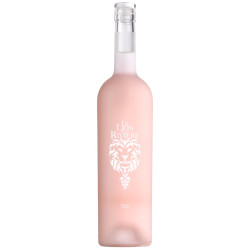
Cuvée Commanderie de Peyrassol Rosé
Maison Austruy - Commanderie de Peyrassol Provence Alpes Côte d'Azur
€14.52
- Bio


CUVÉE COMMANDERIE DE PEYRASSOL ROSÉ MAGNUM
Maison Austruy - Commanderie de Peyrassol Provence Alpes Côte d'Azur
€35.80
- Bio


- Bio




Dessert Sugar Decides the Rosé
With dessert, the right rosé depends first on how sweet the plate is. Fresh fruit with little added sugar works with a dry rosé; cream, meringue or caramelized roasted fruit call for a rosé that keeps some sugar. The fruit’s aromas then refine the choice.
Côtes de Provence: A Dry Rosé for Fresh Fruit
Under its appellation rules, Côtes de Provence rosé holds no more than 4 grams of sugar per liter after fermentation, which makes it a dry wine by EU standards. Those rules describe a fruity or floral range of aromas, from white-fleshed fruit and citrus to tropical fruit and red berries.
It works best with desserts where the fruit leads and the sugar stays in the background: a lightly sweetened berry salad, white peaches with mint, melon with basil, strawberries with black pepper. Go easy on sugar and cream, so the wine keeps its freshness next to the fruit.
Rosé d’Anjou and Cabernet d’Anjou: Softer Rosés for Sweeter Desserts
In Anjou, in the Loire Valley, two rosé appellations keep residual sugar by rule: at least 7 grams per liter for Rosé d’Anjou, made at least half from Grolleau and Grolleau Gris, and at least 10 grams for Cabernet d’Anjou, made from Cabernet Franc and Cabernet Sauvignon.
The rules credit them with pronounced fruit, such as peach, strawberry or citrus, balancing freshness and roundness. These rosés, often off-dry or medium sweet, can follow richer desserts, such as a thin peach tart or a berry pavlova. With the richest ones, choose Cabernet d’Anjou, with its higher sugar minimum and more intense aromatic finish.
The Loire Valley makes other rosés too, from Touraine to Saumur: to explore them, browse our rosé wines from the Loire Valley.
From Glass to Plate: Matching Red Berries and Rosé
Once the sugar is right, look for an echo between the fruit in the glass and the fruit on the plate. A rosé with strawberry or red currant notes suits a chilled strawberry soup or a raspberry charlotte. A rosé that suggests peach or apricot leans toward stone fruit, roasted or stewed.
Texture matters too. A light summer dessert, plain fruit or fruit coulis, leaves plenty of room for a dry rosé. Add whipped cream or pastry cream, and the dessert gains sugar and richness: a softer rosé matches it better. For chocolate or citrus desserts, our wines and desserts page points you to another color.
Rosé and Seasonal Desserts: Your Questions
What rosé goes with cherry clafoutis?
With cherry clafoutis, serve a softer rosé such as Cabernet d’Anjou: its sugar keeps pace with the batter, and its fruit answers the cherries. A dry rosé also works if the clafoutis is only lightly sweetened and served warm.
What rosé goes with a rhubarb dessert?
With a rhubarb dessert, choose a rosé that keeps some sugar, such as Rosé d’Anjou or Cabernet d’Anjou. Rhubarb stays tart even when cooked, and the wine’s sweetness softens it. With a strawberry rhubarb crumble, the rosé’s fruit ties the two together.
Can you make a dessert with rosé?
Yes, rosé works in desserts too: peaches poached in rosé with vanilla, or a chilled strawberry soup with rosé and mint. Use a fruity rosé you enjoy drinking, and pour the same wine at the table.
Where can you buy rosé for dessert direct from the winemaker?
You can buy rosé for dessert direct from the winemaker on Avenue des Vins. Each wine’s page names the producer who made it.
See also: Sparkling and desserts - Our rosés from Provence - Rosé wines from the Rhône Valley