Delivery from €16,90 per winemaker in Europe (excluding the United Kingdom)


Rosé wines from the Rhône Valley
Rhône rosé wines have established themselves as the ultimate dining wines: Tavel, the Rhône’s only AOC dedicated exclusively to rosé, and Lirac, fresh, full-bodied rosés made from Grenache and Cinsault, perfect for pairing with a full meal, from grilled meats to cheeses. Discover our Rhône red wines and Rhône white wines as well. Tavel sits in the Gard department, about 9 miles (15 km) northwest of Avignon, and lists Grenache Blanc, Clairette and Bourboulenc among its main grapes, alongside the red varieties. In Côtes du Rhône and Lirac, white grapes play only a supporting role in rosé, but they can account for up to 20% of the vines that produce it.
Filtrer


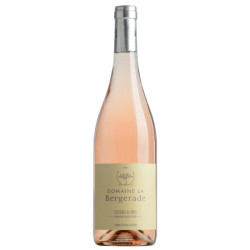


Rhône Rosés: White Grapes Allowed in the Blend
Rhône rosé wines hold a unique place in the French wine landscape. The Rhône Valley is home to an absolute singularity: Tavel, the only appellation in the Rhône dedicated exclusively to rosé wine production. Not a single red, not a single white, only rosé. It is a distinction unmatched anywhere else in the Rhône Valley.
Rhône rosés stand apart from Provence rosés thanks to a more structured and powerful style. Deeper in color, more aromatic, and capable of pairing with an entire meal from starter to cheese, they represent the true expression of gastronomic rosé. Tavel is the most iconic example, while Lirac and Côtes du Rhône rosés also offer excellent quality at highly accessible prices.
On Avenue des Vins, our selection of Rhône rosé wines is available through direct-to-producer sourcing. Each bottle is shipped directly from the winery, ensuring freshness, full traceability, and fair pricing.
Which Rhône Rosé Should You Choose Depending on the Occasion?
Aperitif or light summer meal: A Côtes du Rhône rosé: fresh, fruity, and easy-drinking, perfect for outdoor dining.
Grilled dishes and Mediterranean cuisine: A Lirac rosé: more structured and aromatic, ideal with grilled meats and spices.
Full gastronomic meal: A Tavel: the ultimate Rhône gastronomic rosé, capable of accompanying an entire meal.
Age-worthy or premium rosé: A top Tavel from a quality estate: the best cuvées can age 3 to 6 years and improve over time.
Tip: if you find Provence rosés too light for food pairing, Rhône rosés — especially Tavel — are the answer: more structured, more aromatic, and truly built for the table.
How to Choose Your Rhône Rosé
Accessible Style. Style: Fresh and light. Main grape variety: Grenache. Appellation: Côtes du Rhône Rosé.
Balanced Style. Style: Structured and aromatic. Main grape variety: Grenache, Cinsault and Syrah. Appellation: Lirac Rosé.
Gastronomic Style. Style: Gastronomic and age-worthy. Main grape variety: Grenache (over 30% and under 60% of vineyards in Tavel). Appellation: Tavel.
Grape Varieties in Rhône Rosé Wines
Grenache and Cinsault: the backbone of Rhône rosé
In Tavel, Grenache must make up more than 30% and less than 60% of the vineyard. Grenache brings roundness, warmth, and generous ripe red fruit aromas, while Cinsault adds freshness and finesse. This combination creates rosés that are far more structured and aromatic than most French rosés.
Syrah, Mourvèdre, Clairette and Bourboulenc: complexity in blends
Syrah adds structure and peppery notes. Mourvèdre contributes depth and aging potential. In Tavel, white grape varieties such as Clairette, Bourboulenc and Picpoul Blanc are also permitted, bringing freshness and aromatic complexity, a technical specificity that explains part of Tavel’s uniqueness.
The Main Rhône Rosé Appellations
Tavel: the Rhône’s only exclusively rosé AOC
Tavel is truly unique. It is the only appellation in the Rhône producing exclusively rosé wines, no red, no white. This distinction, established as early as 1936, reflects a specific tradition and terroir. Tavel is often considered the only rosé capable of competing with light red wines at the table: structured and ideal with grilled meats, stews or a full meal. The best cuvées can age for 3 to 6 years, something very few rosés can claim.
Lirac Rosé: the gastronomic alternative
Lirac, located near Tavel on the right bank of the Rhône, produces high-quality rosés in a similar but slightly more accessible style. Made from Grenache, Syrah, Mourvèdre and Cinsault, Lirac rosés are structured, aromatic and highly versatile with food, offering excellent value.
Côtes du Rhône Rosé: accessibility and pleasure
Côtes du Rhône rosés provide an easy and enjoyable introduction to the Rhône style. Dominated by Grenache and Syrah, they are generous, fruity and perfectly suited to casual meals and barbecues.
Food Pairings: What to Eat with Rhône Rosé Wines?
Rhône rosés are true gastronomic wines capable of accompanying a full meal. A fresh Côtes du Rhône rosé pairs well with aperitifs, tapas, charcuterie and light grilled dishes. A structured Lirac rosé complements grilled white meats, roast chicken and Mediterranean cuisine. Tavel, the most gastronomic, pairs beautifully with red meats, stews, lamb tagines, aged cheeses and slow-cooked dishes. Each bottle is shipped directly from the winery.
Why Rhône Rosés Deserve More Recognition
Rhône rosés often suffer from comparison with Provence rosés, lighter, more widely marketed and globally dominant. This is misleading: Tavel produces rosés of a complexity and gastronomic depth that Provence rosés rarely achieve.
- Tavel: the only AOC in the Rhône exclusively dedicated to rosé
- Rosés capable of pairing with a full meal from starter to cheese
- Independent winemaker cuvées at estate prices, without intermediary margins
- Direct shipping from the cellar, ensuring optimal freshness
Order now and discover why true wine lovers choose Tavel when they want a rosé that truly delivers at the table.
FAQ — Everything You Need to Know About Rhône Rosé Wines
Why is Tavel so unique?
Tavel is the only appellation in the Rhône entirely dedicated to rosé wine production. This tradition, established in 1936, results in rosés that are deeper in color, more structured and more gastronomic than most others.
What is the difference between Tavel and Provence rosé?
Provence rosés are pale, light and delicate, designed for aperitifs and light meals. Tavel is deeper in color, richer and more structured, a true food rosé designed for full meals.
Which grape varieties are used in Tavel?
In Tavel, Grenache makes up more than 30% and less than 60% of the vineyard, alongside Cinsault. Syrah, Mourvèdre, Clairette, Bourboulenc and Picpoul Blanc are also used, contributing to Tavel’s complexity.
Can Tavel be aged?
Yes. One of Tavel’s key strengths is its aging potential: the best cuvées can be cellared for 3 to 6 years or more, developing notes of candied fruit, spices and garrigue.
Are Rhône rosés dry?
Yes. Tavel, Lirac rosé and Côtes du Rhône rosé are all vinified dry, with no residual sugar.
Which Rhône rosé pairs with red meat?
Tavel is the ideal match for grilled red meat, lamb stews or slow-cooked dishes thanks to its structure and aromatic richness.
Why buy Rhône rosés from Avenue des Vins?
Avenue des Vins offers Rhône rosés directly from the producer. Tavel cuvées from independent winemakers are often unavailable in retail. Bottles are shipped directly from the winery, ensuring freshness, traceability and fair pricing.
Where can you buy Rhône rosé wines direct from the winemaker?
You can buy Rhône rosé wines direct from the winemaker on Avenue des Vins. Every wine’s page gives the name of its producer.
See also: AOC Tavel - AOC Côtes du Rhône wine - Our rosés from Provence