Delivery from €16,90 per winemaker in Europe (excluding the United Kingdom)


rosé wines for the aperitif
Rosé wine is ideal as an aperitif, thanks to its freshness and fruity aromas. Light and refreshing, it goes perfectly with appetizers and small starters. Whether you choose a rosé from Provence or another light style, it adds an elegant and convivial touch to your moments of relaxation. In southeastern France, it often goes with local savory specialties: cracked olives in fennel brine, tapenade with capers, anchoïade or Nice's chickpea socca. For bolder flavors, such as raw garlic or black olives, a rosé with more body, from the Rhône Valley for example, holds up better than a very light one.
Filtrer


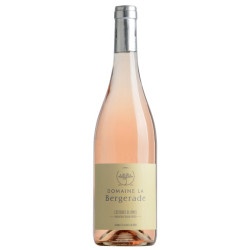



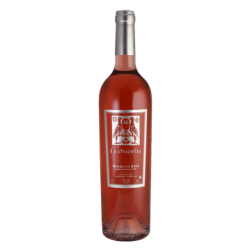

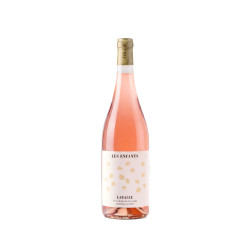


- Bio
- Favorite




- Bio
- Favorite


Alpilles Olives and Panisse: Rosé at Aperitif Time
In southeastern France, the pre-dinner rosé is often poured with olive or chickpea specialties. To choose it, start with the flavor that leads the bite: the anise of fennel, the slight bitterness of a black olive, the crushed garlic of anchoïade or a hot flatbread cooked in olive oil.
Cracked or Black: Two PDO Olives from the Baux Valley
In the Alpilles hills of northeastern Bouches-du-Rhône, about fifteen villages produce two table olives that have been protected by a PDO (protected designation of origin) since 1999. Cracked olives, from the Salonenque or Aglandau variety, are green olives sold in brine with pieces of fennel stalk.
These Alpilles olives stay firm and carry a pronounced fennel flavor that the salt must not cover. Pair them with a fresh, aromatic rosé with citrus or herbal notes, such as a Côtes de Provence rosé: the wine goes along with the anise instead of fighting it. An oaked rosé would mask that aroma.
The black olives of the Baux Valley come from the Grossane variety, picked ripe once they turn black, then pricked and dry-salted or brined, with no added flavorings. INAO, the French body that oversees designations of origin, credits them with aromas of truffle, porcini, sourdough bread and gingerbread, sometimes with a slight bitterness.
Those truffle and porcini notes call for a rosé with more fruit and body, from the Rhône Valley for example. South of Montélimar, a Côtes du Rhône rosé must blend at least two main grapes, always including Grenache, with Syrah, Mourvèdre or both.
Tapenade, a Provençal specialty, combines olives, capers and herbs, all crushed together; its name comes from tapeno, the Provençal word for caper. It keeps the character of the olives used: an aromatic rosé for green tapenade, a rosé with more body for black.
Socca and Panisse: Two Ways with Chickpeas
Socca, a specialty of Nice, is a large flatbread made with chickpea flour and cooked in olive oil. Panisse, another Mediterranean specialty, is also made from chickpeas.
Served hot, straight from the oven or the pan, these bites call for a well-chilled rosé: the contrast between the warm flatbread and the cold wine is part of the pleasure. A light, dry Provence rosé leaves room for the subtle taste of chickpeas.
Anchoïade: Garlic and Anchovies Need a Rosé with Backbone
Anchoïade, from Provençal cooking, blends anchovies, crushed garlic and olive oil into a smooth dip. Crushed garlic and anchovy speak loudly here: a shy rosé simply disappears. Go for a rosé with generous fruit and a clean finish that can stay the course: a Rhône Valley rosé or a full-bodied Provence rosé.
If anchoïade shares the table with tapenade and olives, keep this more structured rosé for the whole aperitif: it also works with the black olives, while a very light rosé is better kept for the green ones.
Hummus, Fritters or Fougasse: Picking the Rosé
What rosé goes with hummus or baba ganoush?
With hummus or baba ganoush, pour a dry, fruity rosé that is supple enough for their creamy texture. If the hummus is very lemony, stick with a crisp rosé. If the eggplant was grilled and tastes smoky, a rosé with more weight, made from Grenache or Syrah, is a better match.
What rosé goes with fried zucchini blossoms?
With fried zucchini blossoms, choose a light, dry rosé with a subtle nose that lets the delicate flavor of the flower come through. A very aromatic rosé would cover it. If the blossoms are stuffed with ricotta or anchovies, move up to a rounder rosé from Provence or the Rhône Valley.
What rosé goes with olive fougasse?
With olive fougasse, a dry, fruity rosé, from Provence for instance, goes well with this fragrant Provençal bread. The dough softens the taste of the olives, so a light rosé is often enough. If the fougasse also has bacon, cheese or anchovies, pick a rosé with more substance from the Rhône Valley.
Where can you buy rosé for the aperitif direct from the winemaker?
You can buy rosé for the aperitif direct from the winemaker on Avenue des Vins. Each bottle is shipped by the producer who made it, with no middleman.
See also: Rosé wines for salads - Rosé wines and fish - White wines for aperitif