Delivery from €16,90 per winemaker in Europe (excluding the United Kingdom)


Light rosé wines
Light rosé wine is perfect for casual meals due to its freshness and delicacy. With its subtle aromas of fresh fruits and flowers, it pairs wonderfully with light dishes such as salads, seafood, or grilled vegetables. This type of rosé, often well-balanced and refreshing, is ideal for warm days or outdoor dining. Its lightness makes it a popular choice for picnics, terrace aperitifs, or brunches. Whether enjoyed with family or friends, light rosé wine adds a touch of conviviality and joy to every shared moment. It enhances gatherings with its elegance and ability to complement both simple and elaborate dishes, making every occasion feel special.
Filtrer


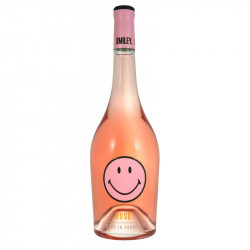
Alcohol, Acidity, Color: Clues to Spotting a Light Rosé
“Light” is not one of the label terms defined by EU Delegated Regulation 2019/33: it is a tasting word. To tell whether a rosé is light, start with firmer clues. The alcohol level is printed on the label, the balance of sugar and acidity shows on the palate, then come color and grape varieties, to read with caution.
Reading the ABV on the Label
Appellations set a minimum alcohol level, measured before any enrichment, and often a ceiling after it. From Beaujolais to Roussillon, that framework shifts. A Beaujolais rosé starts at 10% natural alcohol and tops out at 12.5% after enrichment. A Côtes du Roussillon rosé starts at 12%; it usually shows a deep color and some roundness.
Ventoux rosé starts at 11.5% and is capped at 13% after enrichment; Bordeaux rosé is also capped at 13%. IGP Pays d’Oc sets a minimum of 10% actual alcohol. For a light rosé, an ABV near the bottom of these ranges already points the way.
Sugar and Acidity: What Your Palate Tells You
A light rosé often shows a crisp, dry palate. “Dry” has a precise meaning: on a still wine the term is optional, but when it appears, the wine holds no more than 4 g/l of sugar, or 9 g/l if its total acidity is no more than 2 g/l below its sugar content.
The appellations point the same way. Ventoux caps the sugar in its rosés at 4 g/l and describes them by their “fresh, aromatic balance.” AOC Bordeaux describes its rosés as well suited to drinking young, within one or two years.
Open a light rosé within three years of its harvest. Serve it well chilled as an aperitif, with a casual lunch or on a picnic.
Color and Grapes: Read Them with Care
Color tells you first how the wine was made. In AOC Bordeaux, a rosé ranges from pale pink to deeper pink depending on the method: direct pressing, a short maceration or saignée.
Clairet does not belong among light rosés: the term is reserved for dark rosés with a palate “more vinous than other rosés.” At the other end, IGP Pays d’Oc calls a rosé with a very faint pink tint “gris.”
As for grapes, Gamay is the principal variety of Beaujolais rosés, which are fine and supple on the palate. Farther south, IGP Pays d’Oc links Grenache, Cinsault and Syrah to “fruity and light” rosés. A grape named on the label gives you a lead to confirm in the glass.
Label and Grape: Your Questions About Light Rosé
How Close Is the Label ABV to a Rosé’s Real Alcohol?
On a light rosé, the ABV on the label can differ by no more than 0.5% from the level measured by lab analysis. EU Delegated Regulation 2019/33 also requires it in whole or half units, so a rosé labeled 11.5% must fall between 11% and 12%.
How Much of a Grape Must a Rosé Contain to Name It?
A light rosé can name a single grape variety on its label only if at least 85% of the wine comes from it, under Article 50 of EU Delegated Regulation 2019/33. If it names two or more, they must make up 100% of the wine, listed in descending order of share.
Where Can You Buy Light Rosé Wines Direct from the Winemaker?
You can buy light rosé wines direct from the producer on Avenue des Vins. Every wine’s page gives the name of its producer.
See also: Light and fruity red wines - Rosé wines from the Loire Valley - Rosé wines and fish