Delivery from €16,90 per winemaker in Europe (excluding the United Kingdom)


QUE BOIRE AVEC UN POKE BOWL ?
Before you choose a wine to go with a poke bowl, look at what seasons it rather than what it is built on. Whether it’s topped with raw fish, poultry or tofu, it’s usually the soy sauce, the avocado, a chili sauce or diced mango that comes through on the palate. When you stock up, note the sauces and toppings that turn up most often in your bowls, since they are what should steer your choice. Further down, you’ll find pointers based on what’s in your bowl.
Filtrer


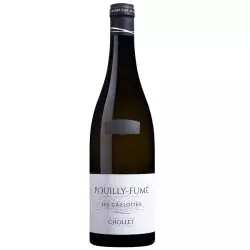
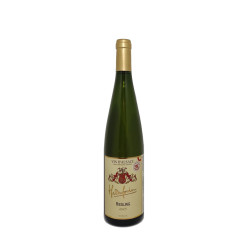


Poke Bowls: Pair the Wine with the Strongest Flavor
A poke bowl is built to order: raw fish or chicken, rice, fruit, vegetables and sauce. In Hawaiian, “poke” means to slice or cut into pieces. To pick the wine, start with the strongest flavor in the bowl: salty soy sauce, chili heat, sweet mango, rich avocado or tangy seasoned rice.
Soy Sauce: When Salt and Umami Take the Lead
When soy sauce leads, the bowl turns salty and full of umami. Reach for freshness: a crisp dry white with citrus notes refreshes your palate between bites. Next to salty food, a white that tastes sharp on its own often comes across softer.
Chilled rosés do the same job. A light rosé, dry and pale, works with soy, sesame and cucumber without masking the fish.
Go easy on the sauce, too. A splash of soy seasons the fish; a bowl drowned in it tastes mostly of salt, and it is mainly bright whites that can still keep up. At the table, serve the sauce on the side: everyone adds their own, and the wine keeps its place.
Seasoned Rice and Raw Fish: Freshness First
When the rice is seasoned with vinegar, its acidity makes a soft wine taste flat. Pick a bottle at least as tangy as the bowl. That goes double for the original Hawaiian bowl: cubed, seasoned raw fish served over rice.
Low-tannin reds work too, as long as you serve them cool. A light red with plenty of fruit beats an oaky, structured wine.
With raw fish, some wines leave an unpleasant fishy aftertaste. A Japanese study (Tamura et al., Journal of Agricultural and Food Chemistry, 2009), run on dried scallops, linked how strong that aftertaste is to the wine’s iron content.
Iron content never shows up on a label. The safest move is to taste a bite of fish with a sip of wine before you serve. If the pairing leaves that fishy note, change the bottle rather than the sauce.
Building the Bowl Around the Bottle
Already picked the wine? Adjust the bowl. With a crisp white, lean on lime, cucumber, seaweed and raw fish. With a chilled rosé, salmon, mango and a little sesame fit right in.
With a light red, go for earthier toppings such as shiitake mushrooms, edamame or grilled chicken, and keep the chili and soy sauce light.
If everyone builds their own bowl, open a chilled rosé instead: it is the style that most happily follows raw fish and chicken, mango and soy alike.
Sriracha, Mango or Teriyaki: Your Poke Bowl Wine Questions
What wine goes with a spicy sriracha poke bowl?
With a spicy sriracha poke bowl, pour a well-chilled white or rosé that is fruity and low in alcohol. A medium-dry white, just slightly sweet, also tames the chili burn, whether it comes from the sauce or a spicy mayo. Skip tannic reds and high-alcohol wines.
What wine goes with a mango or pineapple poke bowl?
With a mango or pineapple poke bowl, choose a wine whose fruit is as expressive as the bowl’s, such as an aromatic white. Next to sweet fruit, a very dry, very tart wine tastes harsher. The riper the fruit, the more fruit the wine needs.
What wine goes with a salmon and avocado poke bowl?
A salmon and avocado poke bowl is rich and creamy, so it needs a crisp wine whose acidity lightens every bite. A dry white with citrus notes or a chilled rosé with some structure fits well. Avoid heavily oaked whites, which only add richness to richness.
What wine goes with a teriyaki chicken poke bowl?
With a teriyaki chicken poke bowl, both sweet and salty, pour a fruity, deeper-colored rosé or a light red with soft tannins, served cool. The fruit in the wine matches the glossy glaze of the sauce, where an austere wine would taste thin.
Where can you buy wine for a poke bowl direct from the winemaker?
You can buy wine for a poke bowl direct from the winemaker on Avenue des Vins. The wine comes to you directly from the producer who made it.
See also: What wine to drink with Thai food? - What wine should you drink with spring rolls? - Which wine should you drink with a vegetarian dish?