Delivery from €16,90 per winemaker in Europe (excluding the United Kingdom)


AOC Saint-estèphe
Located in the southwest quarter of France, the Bordeaux wine region is renowned for its great wines. The Saint-Estèphe appellation, which produces exclusively red wines, covers over 1,200 hectares in the Médoc wine-growing region. The diversity of the terroirs is reflected in the wines of this appellation, which includes five crus classified in the 1855 classification, made from the typical Bordeaux grape varieties: merlot, cabernet-franc, cabernet-sauvignon and petit verdot. The wines of this AOC are renowned for their harmonious, powerful, long finish and their ageing potential of 10 to 20 years.
Filtrer


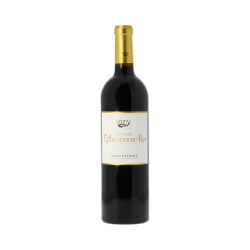

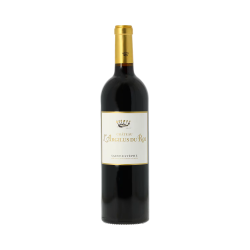
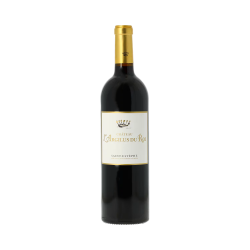
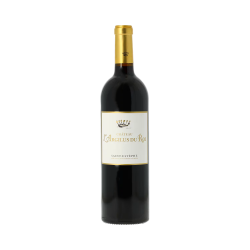


Saint-Estèphe: Gravel, Clay and Cabernet
History of the AOC Saint-Estèphe
When one dreams of the great red wines of Bordeaux, particularly from the Médoc, the Saint-Estèphe appellation is certainly one of the first to come to mind. Beyond its prestigious châteaux and legendary cuvées, the AOC Saint-Estèphe offers numerous high-quality red wines at prices that remain reasonable for the region. Through our guide, discover the history, terroir, and grape varieties of the AOC Saint-Estèphe wines. Follow our advice for pairing these red wines with the perfect dishes.
What is the history of the Saint-Estèphe vineyard?
Vine cultivation in the Bordeaux region dates back to the end of the Roman Empire, but it was during the Middle Ages that viticulture truly developed in the Médoc, and specifically in Saint-Estèphe. Situated along the route of the pilgrimage to Santiago de Compostela, monks began cultivating vines as early as the 13th century. The winemaking activity never ceased to grow, even during the tumultuous period of English occupation. On the contrary, the vineyard's expansion was supported by the English and the port of Saint-Estèphe, which greatly facilitated the export of the region's wine. From the 18th century, the drainage of marshlands allowed for further expansion, and the vine became the primary crop of the village. The concept of "cru" gradually emerged, and today, the appellation boasts 5 classified growths, 15 Crus Bourgeois (including 3 exceptional ones), about thirty "Hors Classés," and 3 Crus Artisans.
Climate and Terroir of the AOC Saint-Estèphe
- Climate: The climate in Saint-Estèphe is an oceanic climate tempered by the Gironde, whose influence moderates temperature extremes in the region.
- Soils: The soil in Saint-Estèphe is predominantly gravelly. Slightly more clayey than in the more southern Médoc appellations, the soil in AOC Saint-Estèphe produces robust wines that age exceptionally well.
Classified Growths
The appellation includes 5 classified growths: Château Cos d’Estournel, Château Montrose (2nd Grand Cru Classé), Château Calon-Ségur (3rd Grand Cru Classé), Château Lafon-Rochet (4th Grand Cru Classé), and Château Cos Labory (5th Grand Cru Classé). Among the exceptional Crus Bourgeois, notable mentions include Château Haut-Marbuzet, Château Les Ormes de Pez, Château de Pez, and Château Phélan Ségur.
The Main Grape Varieties of the AOC Saint-Estèphe
The AOC Saint-Estèphe produces red wine from a blend of grape varieties, primarily Cabernet Sauvignon (often dominant), Merlot, and Cabernet Franc. Carmenère, Côt (also known as Malbec), and Petit Verdot are also permitted.
Cabernet Sauvignon: A powerful and structured red grape variety emblematic of Bordeaux, particularly in the Médoc region, Cabernet Sauvignon has gradually become the most planted grape variety in the world. In AOC Saint-Estèphe red wines, it adds strength and aging potential to blends, developing notes of black fruits, licorice, and menthol.
Merlot: An essential red grape variety in Bordeaux, Merlot is round and fruity, with aromas of black and red fruits, as well as underbrush. It adds suppleness and fruitiness to Médoc wines, making them more approachable in their youth.
Cabernet Franc: A red grape variety commonly found in Bordeaux and the Loire Valley, Cabernet Franc is known for its aromatic profile featuring blackcurrant, violet, and spices. It brings structure and finesse to Bordeaux blends and contributes fruitiness and elegance in AOC Saint-Estèphe wines.
What is the Style of Saint-Estèphe Wines?
Eye: A deep crimson red color with dark, black reflections.
Nose: AOC Saint-Estèphe red wine reveals complex aromas of ripe red and black fruits (blackcurrant, blackberries), violet, licorice, and woody notes.
Mouth: The palate is powerful, structured, and profound. The tannins, prominent in their youth, soften after a few years in the cellar. When tasted at its peak, the bouquet of an AOC Saint-Estèphe red wine displays all its potential and complexity.
Serving Temperature: 16 - 18 °C
Aging Potential: 10 years to over 20 years (for a good château and vintage).
The Best Food Pairings with Saint-Estèphe
AOC Saint-Estèphe wines pair wonderfully with most red meat and game dishes. Here are some ideas for dishes to pair with a fine bottle of AOC Saint-Estèphe red wine:
- Tournedos Rossini
- Duck breast with porcini mushrooms
- Pheasant terrine
- Roasted leg of lamb
- Royal hare stew
- Slow-cooked lamb shoulder
At Avenue des Vins, each bottle is carefully selected, and wines are delivered directly to your home from the estate or château of your choice. Try a red wine from AOC Saint-Estèphe, Bordeaux, or any other French region by ordering directly from our online shop. White, red, rosé wines, and champagne—discover our bottles at the best price, straight from the estate or château of your choice!
Saint-Estèphe Wine Questions: Aging, Cellaring, and Serving
Where is Saint-Estèphe in the Médoc?
Saint-Estèphe is the northernmost of the Médoc’s village appellations and the second largest by area. It sits on the left bank of the Gironde estuary, halfway between Bordeaux and the Pointe de Grave. The other village appellations, such as Pauillac, Saint-Julien, and Margaux, lie farther south.
How long is Saint-Estèphe aged before release?
Saint-Estèphe must age until at least June 1 of the year after the harvest, and it can be sold to consumers from September 1 of that year. This time in the cellar helps stabilize the color and soften tannins that are often firm.
Why cellar a Saint-Estèphe for a few years?
Saint-Estèphe often benefits from a few years in the cellar, which gives its firm tannins time to round out. Cabernet Sauvignon, usually the leading grape, builds a sturdy frame, and bottle age adds fruit, roundness, and finesse.
How do you serve a young Saint-Estèphe?
A young Saint-Estèphe usually opens up after an hour or two in a decanter, as air softens the tannins and lifts the aromas. Decant an older bottle gently just before serving, to leave the sediment behind.
Where can I buy Saint-Estèphe direct from the winemaker?
You can buy Saint-Estèphe direct from the winemaker on Avenue des Vins. The producer packs and ships your order directly.
See also: AOC Haut-Médoc - AOC Pessac-Léognan - Powerful red wines