Delivery from €16,90 per winemaker in Europe (excluding the United Kingdom)


AOC Gaillac Wine
As its name suggests, this vineyard is located in the Southwest of France, between the Massif Central and the Pyrénées, and spreads over 11 departments (Aveyron, Dordogne, Gers, Haute-Garonne, Hautes-Pyrénées, Lot, Lot-et-Garonne, Tarn, Tarn-et-Garonne, Pyrénées-Atlantiques, Landes). There is, among others, the AOC Gaillac. This designation’s area spreads northeast of Toulouse over about 3,900 hectares of soils with highly variable composition. Vines of Cabernet-franc, Mauzac, Duras and Syrah among others, subject to the oceanic and Mediterranean climate of this geographical area, are planted there and enable the production of white dry or sweet wines, sparkling wines or rosé and red wines. Known for their great diversity, these wines reflect the characteristics of the terroir where they have been produced but also of the grape varieties that were used for their production.
Filtrer


In Vinum (ageing in barrels and partially aged in terracotta Amphora)
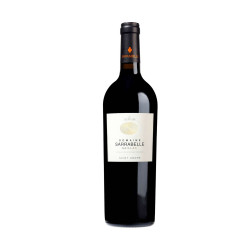
Domaine Sarrabelle Sud Ouest
€32.10
- To keep



Gaillac: When a Term Is Added to the Name
Gaillac has been a protected appellation for whites since 1938, and for reds and rosés since 1970. It has also made room for more distinctive styles, flagged by a term next to its name on the label. That term tells you how young the wine is, how it was made or how sweet it is.
What Gaillac's Rules Set for These Styles
The Gaillac name can carry four extra terms. “Primeur,” “méthode ancestrale” and “vendanges tardives” are optional, while “doux” (sweet) is mandatory whenever a wine meets its conditions.
“Primeur” applies to still whites and reds. A white primeur is made to be drunk within a few months. A red Gaillac primeur comes only from Gamay and Duras and is made by carbonic or semi-carbonic maceration, with no more than 2 g/L of sugar. Its label always shows the vintage.
Sparkling Gaillac is a white wine made by a second fermentation in the bottle. It spends at least nine months on its lees and goes on sale no earlier than September 1 of the year after the harvest. Méthode ancestrale, made only from Mauzac, white or pink, follows a different set of rules.
A doux Gaillac holds at least 45 g/L of sugar as a still white and 50 g/L as a méthode ancestrale.
Vendanges tardives (late harvest) goes further, with at least 100 g/L: the grapes, concentrated on the vine by the Autan wind or noble rot, are picked by hand in successive passes. Sales start June 1 of the second year after the harvest.
History of the AOC Gaillac
The vineyard of the AOC Gaillac, located in the southwest of France, is a viticultural treasure shaped by diverse influences over the centuries. From the Benedictine monks who cultivated the vines during the Middle Ages to the innovative winemaking techniques introduced in recent decades, Gaillac's history is rich and varied.
Climate and Terroir of the AOC Gaillac
Climate: The AOC Gaillac vineyard benefits from a temperate oceanic climate with Mediterranean influences. The dry wind known as the Autan helps naturally limit vine diseases.
Soils: The terroir of the AOC Gaillac is composed of varied soils, including clays, limestones, and sandstones. This diversity of soils gives Gaillac wines a great richness and unique expression.
Key Grape Varieties of the AOC Gaillac
The wines of the AOC Gaillac are often made from a blend of grape varieties, many of which are indigenous to the region:
- Syrah (red and rosé)
- Gamay (young wines)
- Merlot (red and rosé)
- Duras (red and rosé)
- Braucol or Fer Servadou (red and rosé)
- Cabernet Sauvignon (red and rosé)
- Cabernet Franc (red and rosé)
- Mauzac (white)
- Len-de-l'el or Loin de l'Œil (white)
- Muscadelle (white)
- Sauvignon (white)
- Ondenc (white)
Style of AOC Gaillac Wines
White Wine: Ranging from straw yellow to golden (for sweet wines), dry whites and sparkling wines reveal notes of yellow and white fruits (apple, pear, peach) and flowers. Sweet whites are characterized by intense aromas of ripe fruits, honey, and a smooth mouthfeel.
Rosé Wine: Featuring a salmon-pink color, rosé wines have aromas of red fruits (strawberries, raspberries), flowers, and a hint of candy, maintaining a light and crisp taste.
Red Wine: Depending on the grape varieties and the domain, Gaillac red wines can be either supple and pleasant or robust and full-bodied. The aromatic palette often includes spices, licorice, and red and black fruits.
Best Food Pairings with AOC Gaillac Wines
Here are some pairing suggestions for wines from the AOC Gaillac:
Dry White Wine:
- Zucchini and goat cheese tart
- Piperade (a Basque vegetable stew)
Rosé Wine:
- Perigordian salad
Red Wine:
- Charcuterie
- Toulouse sausage
- Cassoulet
Sweet White Wine:
- Foie gras
- Roquefort cheese
- Basque cake
Sparkling Wine (ancestral method):
- Apple tart
Rooster Wines, Prunelard and Premières Côtes: Your Gaillac Questions
Why are Gaillac wines called “vins du coq”?
“Vins du coq,” or rooster wines, is the medieval name for Gaillac wines, whose casks the town consuls branded with a rooster to guard against fraud. The wines then reached England and Holland by way of the Tarn River and the port of Bordeaux. The rooster is still the emblem of Gaillac.
What is Prunelard?
Prunelard is a black grape from the Gaillac area and one of the four main varieties for red and rosé Gaillac, along with Duras, Fer Servadou and Syrah. Mentioned by Dr. Guyot in 1868, it was abandoned in the 20th century and brought back in the late 1990s.
What is Gaillac Premières Côtes?
Gaillac Premières Côtes is an appellation separate from Gaillac, limited to dry still white wines with no more than 4 g/L of sugar. The grapes come from 11 villages in the Tarn, on well-exposed slopes, with a set yield of 45 hectoliters per hectare. The wine ages at least until February 15 after the harvest.
Where can you buy Gaillac wine direct from the winemaker?
You can buy Gaillac wine direct from the winemaker on Avenue des Vins. Each bottle is shipped by the producer who made it, with no middleman.
See also: AOC Madiran - AOC Cahors Wine - AOC Fronton