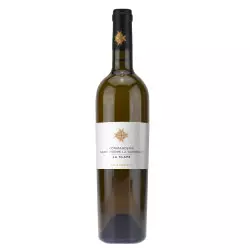
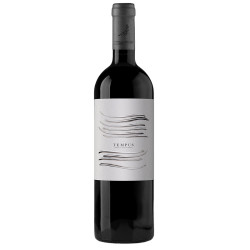
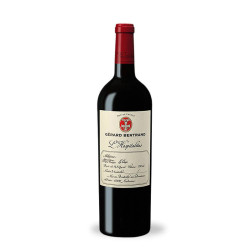
La Clape remained an island until the 13th century, before the Narbonne plain filled in. What is left is a limestone plateau shaped by water, with no permanent stream, rising to 214 meters (702 feet) at Pech Redon. Its tablelands are covered in garrigue and fringed with Aleppo and stone pines, with vineyards set in among them.
History of the AOC La Clape
Formerly a Mediterranean island now connected to the mainland, the history of the La Clape vineyard dates back to antiquity. The Romans recognized the exceptional viticultural potential of this region. However, AOC La Clape, previously known as AOC Languedoc La Clape, was only recognized as a standalone appellation in 2015. This jewel of the Languedoc offers rugged and wild landscapes and wines with authentic expressions.
Climate and Terroir of the AOC La Clape
- Climate: La Clape enjoys a Mediterranean climate characterized by hot, dry summers and mild winters. The maritime influence cools the vines and allows for slow and balanced ripening of the grapes.
- Soils: The terroirs of AOC La Clape are a combination of hard limestone, marl, and pebbles, giving the wines their distinctive minerality.
Key Grape Varieties of the AOC La Clape
AOC La Clape produces both white and red wines using a variety of typically Mediterranean grape varieties, including:
- Red Varieties: Grenache, Syrah, Mourvèdre, Cinsault, Carignan.
- White Varieties: Bourboulenc, Grenache Blanc, Marsanne, Roussanne, Clairette, Picpoul, Vermentino (or Rolle).
Style of AOC La Clape Wines
Red Wines:
- Appearance: Intense purple-red color.
- Aroma: Aromatic palette includes black fruits, spices, garrigue, and wild pepper.
- Taste: Structured palate with present but velvety tannins.
White Wines:
- Appearance: Pale yellow color with golden reflections.
- Aroma: Bouquet of citrus, white flowers, and mineral notes.
- Taste: Fresh and round with a finish on saline and iodine notes.
Best Food Pairings with AOC La Clape Wines
Here are some suggestions for pairing dishes with a bottle of wine from a domaine or château in AOC La Clape, both red and white:
White Wine Pairings:
- Tielles Sétoises: A specialty pie from Sète filled with octopus and a spicy tomato sauce, which pairs well with the fresh and round profile of La Clape white wines.
- Grilled Calamari with Parsley and Garlic: The freshness and salinity of the wine complement the flavors of the calamari.
- Oysters from the Thau Lagoon: The saline and iodine notes in the wine enhance the natural brininess of the oysters.
Red Wine Pairings:
- Rack of Lamb: The structured and velvety tannins in the wine match perfectly with the rich flavors of the lamb.
- Grilled Chorizo: The spices and garrigue notes in the wine complement the spicy and smoky flavors of the chorizo.
- Beef Skirt Steak: The robust structure and tannic profile of the wine pair well with the beef's rich and savory taste.
Vine-Ringed Châteaux and Village Growers
Winegrowing on La Clape has followed two paths. On one side are large historic estates, their châteaux and manor houses surrounded by vines. They make up more than two-thirds of the area’s wineries, and over a third of them farm more than 50 hectares (124 acres) of vines, a large size by local standards.
On the other side are smaller farms, independent or in a cooperative, with plots often scattered around the villages. Those villages all sit at the edge of the massif, a layout shaped by nearby Narbonne and its trade routes. According to the CIVL, the Languedoc wine trade body, the appellation has 30 independent wineries and 3 cooperatives.
Large or small, these growers chose grapes suited to drought and kept yields low, now set at 42 hectoliters per hectare for reds and 52 for whites. That approach earned La Clape wines VDQS status, a quality tier below AOC, as early as 1951, long before the AOC arrived in 2015.
Bourboulenc and Red Wine Aging: Your La Clape Questions
How much Bourboulenc goes into a white La Clape?
A white La Clape contains at least 30% Bourboulenc, a required grape in the blend. Also called Malvoisie, this late-ripening variety copes well with the dry summers on the massif. No grape can go above 80% of the blend, and Viognier is capped at 10%.
How long is red La Clape aged before it goes on sale?
Red La Clape is aged at least until August 15 of the year after the harvest. It can be released to consumers from September 1 that year. Mourvèdre and Grenache, picked fully ripe, give tannic wines that need this aging time.
Where can you buy AOC La Clape wine direct from the winemaker?
You can buy AOC La Clape wine direct from the winemaker on Avenue des Vins. Each bottle is shipped by the producer who made it, with no middleman.
See also: AOC Languedoc - AOC Corbières Wine - AOC Terrasses du Larzac