Delivery from €16,90 per winemaker in Europe (excluding the United Kingdom)


AOC Beaujolais
The Beaujolais Controlled Designation of Origin is an unknown designation. Celebrated for the well-known "Beaujolais Nouveau", this area located between the Mâconnais and the Rhône Valley offers many other fine wines. Do you know, for instance, the 10 crus of the Beaujolais vineyard? Brouilly, Côte de Brouilly, Chénas, Chiroubles, Juliénas, Fleurie, Moulin-à-Vent, Morgon, Régnié and Saint-Amour give another facet of this rich wine growing area.
Filtrer


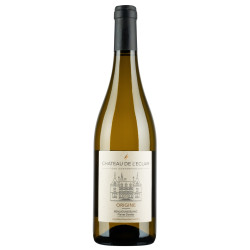


Three Colors, One Vineyard: AOC Beaujolais
Recognized by decree on September 12, 1937, AOC Beaujolais runs from the outskirts of Lyon to just south of Mâcon, on the eastern edge of the Massif Central. It makes only still wines: Gamay supplies most of the reds and rosés, and the whites come from Chardonnay alone.
Thirst-Quenching Wines for Lyon, Vines Laid Out Like Marquetry
The 19th century was a turning point for Beaujolais, as cities and transport links grew. The south of the vineyard turned to light, fruity, thirst-quenching wines for the nearby Lyon market.
The north, looking toward Mâcon and the markets of northern France, favored more concentrated wines built to age and to travel.
The first cooperative wineries opened in the late 1920s, followed by a second wave in the 1950s that helped raise the quality of the wines.
The vineyard is still split into small plots set side by side on the slopes, a landscape of vines laid out like marquetry.
History of the AOC Beaujolais
The Beaujolais vineyard, with a rich history spanning several centuries, traces its origins back to Roman times. However, it was during the Middle Ages that viticulture truly developed in the region, becoming an integral part of its cultural and agricultural landscape.
Climate and Terroir of the AOC Beaujolais
Climate: The AOC Beaujolais vineyard enjoys a temperate semi-continental climate, characterized by hot summers and cool winters. The vines benefit from the cooling northern winds and the influence of the Atlantic Ocean to the west, creating ideal conditions for cultivating the region's signature grape, Gamay.
Soils: The terroir of AOC Beaujolais primarily consists of clay soils mixed with sandy and stony soils, contributing to the distinct character of its wines.
Key Grape Varieties of the AOC Beaujolais
-
Gamay: The emblematic red grape variety of Beaujolais. Known for its suppleness and fruity aroma, Gamay also has the potential to produce long-aging wines in the best crus.
-
Chardonnay: The white wines of Beaujolais are crafted from Chardonnay, a grape variety that offers notes of white flowers, fresh fruits (pear, lemon), and a mineral touch, gradually becoming one of the world's most renowned white grapes.
Style of AOC Beaujolais Wines
White:
- Appearance: Pale yellow with greenish reflections.
- Aromas: Delicate citrus, white flowers, and a fresh mineral note.
- Taste: Versatile and fresh, showcasing the elegance of Chardonnay.
Rosé:
- Appearance: Light pink hue.
- Aromas: Intense red fruits, grenadine, and floral notes (peony, violet).
- Taste: Soft and light, perfect for a refreshing experience.
Red:
- Appearance: Ruby red.
- Aromas: Predominantly fruity with notes of raspberry, blackcurrant, and strawberry. The well-known banana flavor is typical of the Beaujolais Nouveau (primeur).
- Taste: Fruity and supple, with a smooth and easy-drinking character.
Best Food Pairings with AOC Beaujolais Wines
Here are some pairing suggestions for enjoying a bottle of wine from an estate or château in AOC Beaujolais:
White:
- Sushi
- Lemon chicken
- Sole meunière
Rosé:
- Spaghetti with pesto
- Tomato and mozzarella salad
Red:
- Charcuterie board
- Roast chicken
- Lasagna Bolognese
Small Plots, Hillsides, Bush Vines: AOC Beaujolais Up Close
What Is the Average Size of a Vineyard Plot in AOC Beaujolais?
A vineyard plot in AOC Beaujolais averages 0.3 hectare, about three-quarters of an acre. In 2018, the appellation covered about 4,500 hectares (11,100 acres).
How High Are the Vineyards of AOC Beaujolais?
AOC Beaujolais vines grow between 180 and 550 m (590 to 1,800 feet), between the Saône plain and the Monts du Beaujolais. The hills behind them rise to 1,000 m (3,300 feet), but the vines stay on the lower slopes, which face mostly east and south.
How Are the Vines Pruned in AOC Beaujolais?
In AOC Beaujolais, Gamay for reds and rosés is usually pruned short, mainly as free-standing bush vines (gobelet), to keep its fertility in check. Chardonnay for whites is pruned to single Guyot or the "queue du Mâconnais" style, which leaves each vine one long cane of up to 12 buds and a two-bud spur.
Where to Buy Beaujolais Direct from the Winemaker?
You can buy Beaujolais direct from the winemaker on Avenue des Vins. Your order ships straight from the producer, with no middleman.
See also: AOC Beaujolais Nouveau - AOC Beaujolais supérieur - AOC Fleurie