Delivery from €16,90 per winemaker in Europe (excluding the United Kingdom)


AOC Anjou Wine
AOC Anjou is a Loire Valley appellation. Known for Chinon, Bourgueil and Pouilly-Fumé, the Loire wine region covers some 57,000 hectares (141,000 acres) from the Massif Central to Nantes, in northwestern France. The Anjou area includes land south of Angers, in Maine-et-Loire, and nine communes in the Vienne: about 1,400 hectares (3,500 acres) of mostly schist soils, with a mild, ocean-influenced climate. Chenin Blanc, Cabernet Franc and Cabernet Sauvignon, among others, give fine, supple, round reds with fruity, floral aromas and fresh white wines with apple and citrus notes.
Filtrer


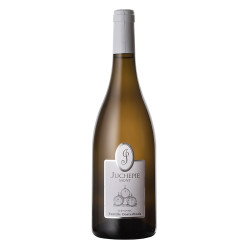
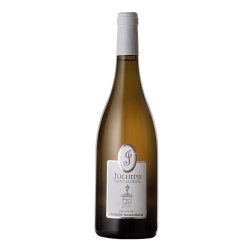
Anjou, from Still Whites to Rosé Bubbles
The Anjou appellation was built step by step. A decree of November 14, 1936, first recognized it for still white wines. Reds followed in 1937, then white sparkling wines in 1938. Rosé sparkling wines joined only in 1957, more than twenty years after the first whites.
History of the AOC Anjou
Located in the Loire Valley, the Anjou vineyard traces its history back to the Roman era and flourished during the Middle Ages with the rise of commercial exchanges. Over the centuries, the Anjou vineyard has continued to perfect its craft, leading to the creation of the AOC Anjou in 1936. This appellation encompasses several terroirs and grape varieties, offering a rich diversity of white, red, and sparkling wines (both white and rosé).
Climate and Terroir of the AOC Anjou
Climate: Anjou benefits from a temperate climate with oceanic influences, ensuring regular rainfall and mild temperatures ideal for the Loire Valley.
Soils: The AOC Anjou stretches over predominantly clay-schist and sometimes silico-clay soils, promoting the production of wines that are both fresh and fruity.
Key Grape Varieties of the AOC Anjou
AOC Anjou is characterized by a wide variety of wines, thanks mainly to the diversity of its grape varieties. For red and rosé wines, Cabernet Franc and Cabernet Sauvignon dominate, while Chenin Blanc, a white grape native to the Loire, is the king of white wines. Chardonnay, Sauvignon Blanc, Gamay, Grolleau, and Pineau d'Aunis are also among the authorized grape varieties in the AOC Anjou.
Style of AOC Anjou Wines
Anjou Blanc: These white wines exhibit a pale yellow color and express aromas of white fruits (apple, pear, peach) and citrus, supported by a freshness and beautiful minerality on the palate.
Anjou Effervescent: The rare sparkling wines of AOC Anjou, whether white or rosé, offer aromas of fresh fruits, white flowers, and sometimes toasted bread. On the palate, they are balanced, fresh, and possess fine bubbles.
Anjou Rouge: These red wines feature a bright ruby red color. The nose highlights red fruits, flowers, and spices, carried by a fresh and elegant palate, typical of Loire red wines.
Best Food Pairings with AOC Anjou Wines
Here are some dish ideas to accompany a bottle of white, red, or sparkling wine from an AOC Anjou estate or château:
- Blanc: Asparagus, goat cheese, pike with beurre blanc sauce.
- Effervescent: Appetizers, fruit tart.
- Rouge: Stuffed capon, hare stew, beef fillet.
Colors, Sugar and the “Gamay” Mention: What the Anjou Name Covers
On its own, the Anjou name covers four wines: a still white, mostly Chenin Blanc; a still red, mostly Cabernet Franc and Cabernet Sauvignon; and white and rosé sparkling wines. Still rosés from the area go by other names, Rosé d’Anjou or Cabernet d’Anjou. Anjou Villages, focused on more structured reds according to InterLoire, is a separate appellation too.
The white is usually dry: 3 g of sugar per liter at most, or 8 g depending on its acidity. It can also be medium dry, medium sweet or sweet (demi-sec, moelleux, doux), and the label must then show that term near the Anjou name. Reds stay dry, at 3 g or less.
Followed by the word “gamay,” in letters at most two-thirds as large as the name, Anjou means a still red made from Gamay. The sparkling wines, white or rosé, get their bubbles in the bottle and rest there on the lees for at least nine months before release.
Anjou Noir, Douceur Angevine and Sparkling Wine: Your Anjou Questions
What do Anjou noir and Anjou blanc mean?
Anjou noir is the western Anjou vineyard, on Armorican Massif schist, and Anjou blanc the eastern part, on tuffeau chalk around Saumur. Used for the land, these names describe the bedrock, not the color of the wine. Gamay for the “gamay” mention comes only from Anjou noir, never from Anjou blanc.
What does “douceur angevine” mean for Anjou wine?
“Douceur angevine” refers to the mild oceanic climate of the Anjou vineyard, with small temperature swings, felt most in winter, spring and fall. Summers still bring frequent hot spells. Thanks to a foehn effect behind the Choletais and Mauges hills, Anjou gets about 585 mm (23 in) of rain a year, versus nearly 800 mm (31 in) in the Choletais.
How long has Anjou made sparkling wine?
Anjou sparkling wine took off in the early 1800s, once producers mastered the second fermentation in the bottle. As early as the 1400s, growers had noticed that wine bottled in winter started to sparkle when warm weather returned. Large cellars dug into tuffeau chalk, with a cool, steady temperature, helped production grow.
Where can you buy Anjou wine direct from the winemaker?
You can buy Anjou wine direct from the winemaker on Avenue des Vins. Every wine’s page lists its grape varieties.
See also: AOC Coteaux du Layon - AOC Savennières - AOC Crémant de Loire