Delivery from €16,90 per winemaker in Europe (excluding the United Kingdom)

Let's eat !
What wine goes with aligot? Our pairings for Aubrac aligot-saucisse
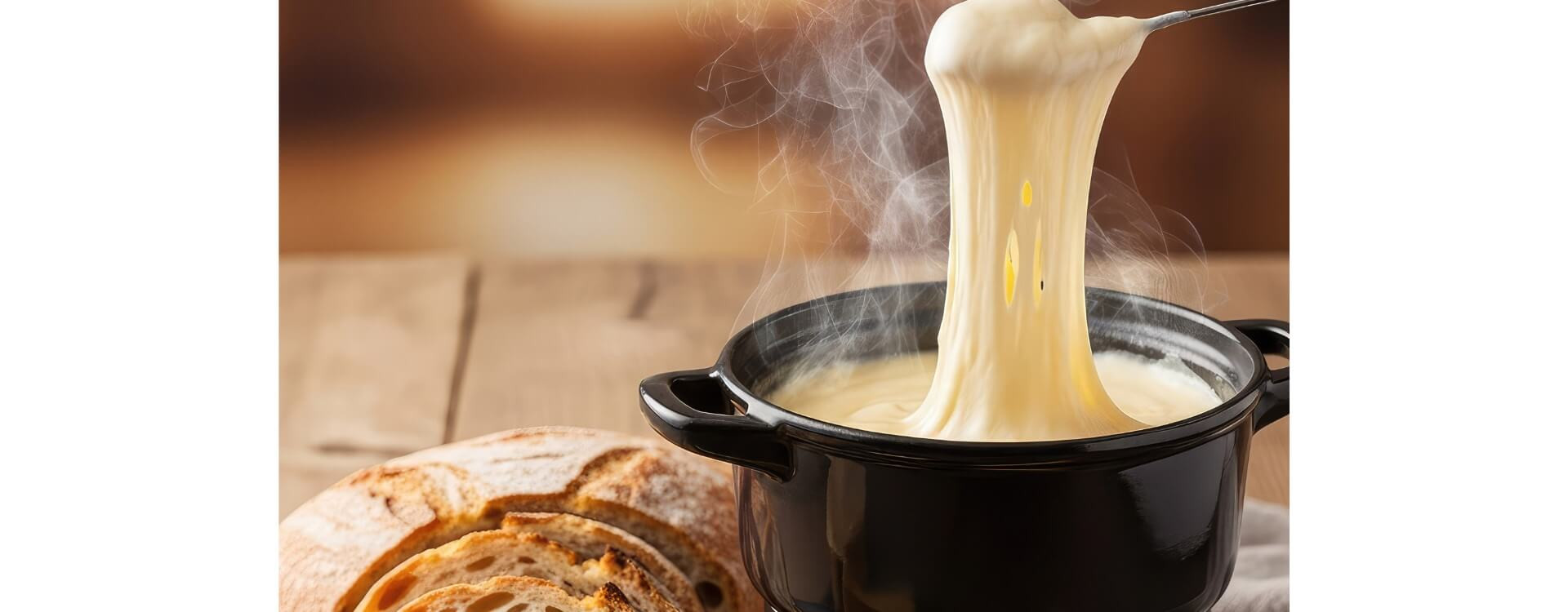
With a stringy aligot and its sausage, a light, low-tannin red from the Massif Central, such as Marcillac or Côtes d'Auvergne, cuts the richness without burying the cheese. A crisp, taut white works just as well. Here is how to choose.
Which red wine with aligot?
A light, fruity, low-tannin red is the safest match, above all for aligot-saucisse. The richness of the cheese and the sheer heft of the dish call for freshness, not power. Hard tannins would only toughen the whole.
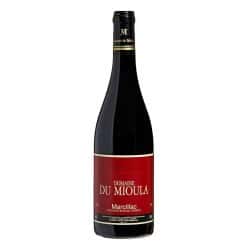
The terroir match comes from aligot country. A Marcillac, made from fer servadou (mansois, the flagship grape of the Aveyron), gives a crunchy fruit and a peppery edge that answer the sausage. It is the classic match, born on the spot.
Around it, the Massif Central offers plenty. A Côtes d'Auvergne or a red Saint-Pourçain, supple and fruity, go along without forcing. A Gaillac from braucol (the local name for fer servadou) extends the nearby South-West logic.
Want something lighter still? Gamay holds up perfectly: Beaujolais-Villages, Côtes du Forez or Côte Roannaise. Serve these reds cool, around 14 to 15 °C, to keep the fruit lively against the cheese.
Our red wine tips for aligot
Favour a young red, fruit-driven, lightly oaked. Marcillac for the local match, gamay for sheer pleasure, Fronton from négrette (the Toulouse black grape) for a spicy note. Avoid tannic, heavily concentrated reds.
Which white wine with aligot?
Yes, a dry, crisp, taut white is a delight: its acidity cuts straight through the richness of the fresh tomme. It is often the most refreshing match on a very cheesy aligot, served alone or as a side.
Stay in the region. A white Saint-Pourçain, from tressallier (the white grape of the Bourbonnais), blends tension and roundness. A white Côtes d'Auvergne, from chardonnay, brings the same contrast, a touch more vinous.
Looking for more nerve? A Loire white from sauvignon, brisk and lemony, wakes the dish up. A dry Gaillac, from mauzac (a local grape with a green-apple edge), plays the South-West card.
Our white wine tips for aligot
Serve the white well chilled, between 8 and 10 °C. Seek acidity before aromatics: it cleans the palate between mouthfuls. Set aside heavy, oaky or off-dry whites, quickly crushed by the cheese.
Rosé or sparkling wine with aligot?
Rosé and sparkling wines may surprise, yet they work, especially when the aligot turns very rich. Their freshness lightens every bite. It is the clever match for a friendly, laid-back meal.
For rosé, pick a dry one from the Massif Central or the South-West, honest and thirst-quenching. For bubbles, a brut Crémant, from the Loire or Burgundy, cuts the richness with fine bubbles and vivacity.
Our sparkling wine tips for aligot
Go for brut, never demi-sec: the sugar would weigh the dish down. Serve the Crémant between 6 and 8 °C. The bubbles play the same role as a taut white, with a festive bonus.
Aligot or truffade: do you need a different wine?
Not really, but the cursor shifts. Aligot is a potato purée bound with fresh tomme, stringy and very rich, almost always served with sausage. It therefore calls for an even fresher wine.
Truffade, by contrast, keeps chunks of potato sautéed with the tomme: more rustic, less stringy, less cheesy on the palate. Our truffade pairings favour the same light reds, with a little more room on structure.
The common thread is the fresh tomme of the Aubrac or the Cantal. In both cases the rule holds: a fresh, low-tannin wine that cuts the richness rather than adding weight.
What are the best wine pairings with aligot?
The best match depends on how the aligot reaches the table. Here are the most common cases, and the wine that goes with each.
Aligot-saucisse: a light, fruity red, Marcillac first, or a gamay from the Forez. The fruit answers the sausage, the freshness cleans the richness.
Aligot as a side to grilled meat or pork: follow the meat. A slightly firmer Massif Central red, such as Côtes d'Auvergne, makes the link.
Aligot on its own, very cheesy: switch to a dry, taut white, white Saint-Pourçain or Loire sauvignon, or a brut Crémant. Acidity leads.
The terroir reflex: when in doubt, a wine from the Aubrac or the Massif Central never betrays a dish born on that soil.
Our Côtes d'Auvergne selection: light reds and crisp whites from Auvergne's volcanic terroirs, made for aligot, straight from the growers. See the selection →
Bonus: our homemade aligot recipe
A true aligot is made with fresh tomme from the Aubrac. Allow some elbow grease: that is the move that makes the mixture stretch.
Ingredients (serves 4)
- 1 kg of waxy potatoes (bintje)
- 400 g of fresh Aubrac tomme (or Cantal tomme)
- 2 garlic cloves
- 200 ml of crème fraîche
- 50 g of butter
- Salt, pepper
Method
Boil the peeled potatoes in salted water, then mash them into a fine purée. Add the butter, the cream and the crushed garlic. Keep over low heat.
Fold in the tomme, sliced thin, a little at a time. Work the purée with a spatula, lifting it, until it stretches into long ribbons. Season, and serve at once with a grilled sausage.
Aligot does not ask for a grand wine, it asks for the right wine: fresh, fruity, with no aggressive tannin. The Massif Central and the nearby South-West offer everything needed, from terroir-driven Marcillac to easy-going gamay, without leaving the home of the dish.
Buying these bottles straight from the grower means the estate price and full vintage traceability, with no middleman. Enough to pair an aligot-saucisse with an honest red, chosen as close as possible to the people who make it.
Our Côtes d'Auvergne selection: light reds and crisp whites from Auvergne's volcanic terroirs, made for aligot, straight from the growers. See the selection →
Frequently asked questions about wine and aligot
Which red wine with aligot-saucisse?
A light, fruity red, low in tannin. Marcillac, from fer servadou, remains the terroir match par excellence. A gamay from Beaujolais, the Forez or the Côte Roannaise works just as well, served cool.
Can you drink white wine with aligot?
Yes, and it is even one of the best choices. A dry, crisp white, such as a white Saint-Pourçain or a Loire sauvignon, cuts through the richness of the fresh tomme. Serve it between 8 and 10 °C.
Which Aubrac or Massif Central wine for aligot?
Aligot country is full of options: Marcillac, Côtes d'Auvergne, Saint-Pourçain, or the small Aveyron appellations. A wine born on the same soil as the dish stays the safe bet.
Aligot or truffade: the same wine?
Almost. Both dishes share the fresh tomme and call for a fresh, low-tannin red. Aligot, stringier and richer, simply gains a little more freshness, as a light red or a taut white.
At what temperature should you serve wine with aligot?
Serve light reds cool, around 14 to 15 °C. Dry whites go between 8 and 10 °C, brut sparklers between 6 and 8 °C. Freshness is the key against a dish this rich.