Delivery from €16,90 per winemaker in Europe (excluding the United Kingdom)

Let's eat !
What food goes with Sancerre? Our pairings by colour and terroir
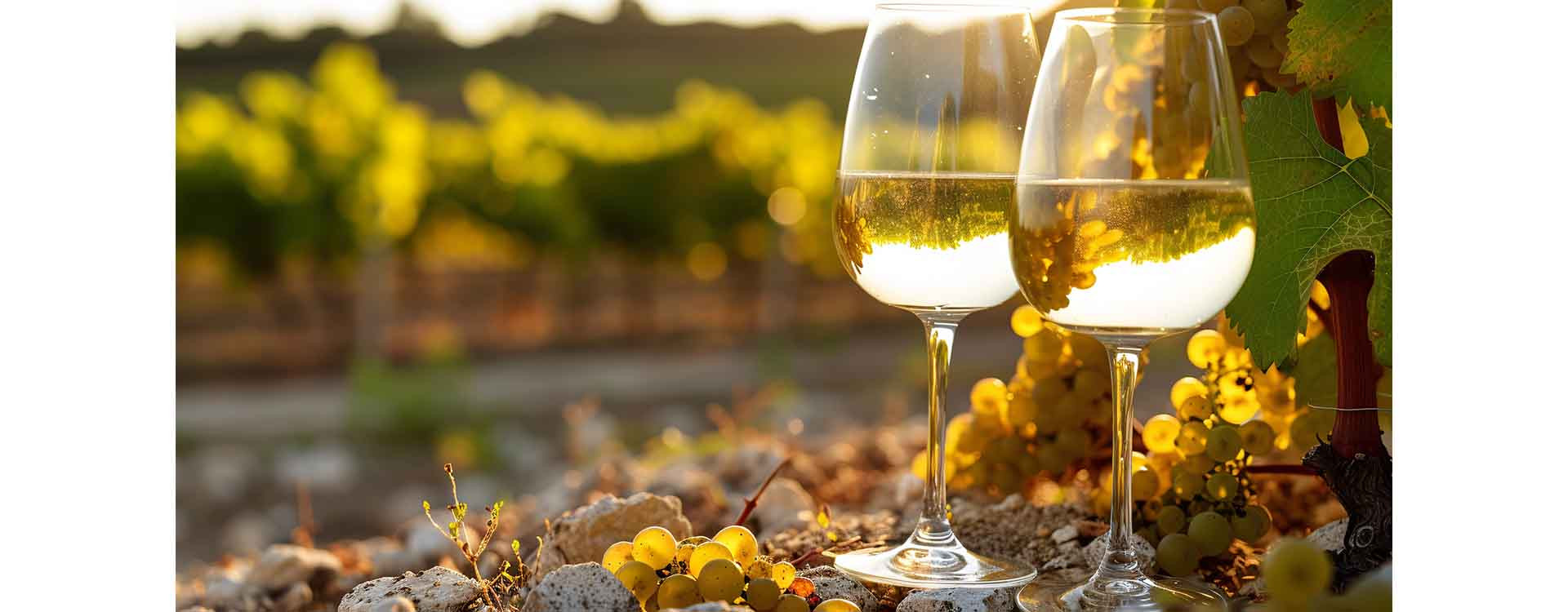
With a white Sancerre, serve oysters, pike-perch in beurre blanc, asparagus or a Crottin de Chavignol; with a red Sancerre, roast poultry or a veal chop; with a rosé, anything grilled. Colour decides, terroir refines the choice: our guide, dish by dish.
Sancerre is an appellation of the Cher, on the left bank of the Loire, made in three colours: a white from Sauvignon Blanc, a red and a rosé from Pinot Noir. White is 80% of production, and most guides stop there.
Two criteria govern the choice: colour, because a lively Sauvignon and a Pinot Noir do not suit the same dishes, then terroir, often printed on the label.
The terres blanches, marl soils to the west, give round wines built to wait. The caillottes, stony limestone around Chavignol and Bué, give lively wines. The silex, flint soils to the east, give taut wines that smell of gunflint, or struck flint.
What fish and seafood go with white Sancerre?
Raw shellfish with a caillottes, Loire fish in sauce with a terres blanches, smoked fish and scallops with a silex. The trade body puts Centre-Loire dry whites with fish, seafood and cheese.
Oysters, mussels and prawns
With plain oysters, mussels or prawns, take a young caillottes served at around 8 °C. Its bite does the job of a squeeze of lemon.
Pike-perch in beurre blanc, scallops and smoked fish
Pike-perch and pike, the Loire's own fish, are served in beurre blanc, a shallot and butter sauce that needs weight in the glass: a terres blanches holds it. As soon as smoke comes in, move to a silex, with its salty edge. The trade body itself serves white Sancerre with scallops pan-fried in butter and soy sauce.
What white meat and poultry go with Sancerre?
The white with poultry in a cream sauce, the red with roast poultry, veal or pork. This is where red Sancerre takes the lead.
Roast chicken, guinea fowl and chicken in cream
A roast chicken or a guinea fowl with mushrooms calls for a red Sancerre, a fine Pinot Noir with measured tannins, served cool. With poultry in cream, go back to the white: a terres blanches wraps the sauce.
Veal, pork, charcuterie and savoury tarts
The trade body puts Centre-Loire reds, fruity and lightly spiced, with red meat, pizza and savoury tarts. With a Sancerre, favour a veal chop, roast pork, a quiche or charcuterie.
What cheese goes with Sancerre?
Crottin de Chavignol first, born in a hamlet of the appellation, then other goat's cheeses and Comté. On a mixed board, brie, tomme and a mild blue, a cool red Sancerre pleases everyone.
Crottin de Chavignol, from mi-sec to repassé
Crottin de Chavignol is a raw-milk goat's cheese, protected since 1976 and sold at every age: mi-sec, or semi-dry, bleuté, blue-bloomed, bleu, sec, then "repassé", kept in stoneware pots. Cheese syndicate and Sancerre growers say the same: Chavignol and white Sancerre come from one terroir.
Young and mi-sec, the crottin wants a lively caillottes. Aged, its long finish calls, say the Sancerre growers, for a white with sharp acidity, a taut silex: the textbook case of white wine and cheese pairing.
Our Sancerre selection: whites, reds and rosés of the appellation, shipped by the estates that made them, at estate prices. See the selection →
Which Sancerre with grills and world cooking?
The rosé with grills and dishes from abroad, the red with pizza: two lines the trade body holds for the whole Centre-Loire. The white goes with Japanese food.
Sushi, maki and Japanese cooking
Sushi, sashimi and maki go with white Sancerre, a pairing the trade body claims with its own Sancerre maki recipe. A silex, taut and saline, answers the vinegared rice.
Grills, pizza and spicy dishes
A rosé Sancerre, cool and fruity, follows skewers, grilled pork and world cooking, from tagine to a mild curry. With pizza or a savoury tart, a cool red is the trade body's choice; a truly hot dish shuts it down.
Which Berry dishes go with Sancerre?
Warm crottin, asparagus, snails and poulet en barbouille. Berry cooking grew up with these wines, and nobody mentions it.
Asparagus, snails and warm crottin
Asparagus gets on with Sauvignon: the trade body serves it roasted, with smoked haddock and grapefruit, with white Sancerre. Snails in garlic butter go with a lively caillottes, warm crottin with a young white or a rosé.
Poulet en barbouille and pâté de Pâques
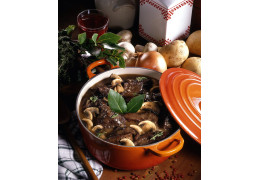
Poulet en barbouille, chicken stewed in red wine and thickened with blood, is a Berry classic. It asks for a red Sancerre, ideally the one in the sauce, served a little less cool.
Pâté de Pâques, the Berry Easter pie of meat and hard-boiled eggs, is eaten with a rosé; the potato galette, flaky and creamy, with a caillottes.
What are the best food pairings with Sancerre?
Colour picks the dish, terroir refines it, and one serving rule covers all three, 8 to 12 °C according to the trade body. White and rosé at the bottom of the range, red at the top, since cold hardens tannin.
White Sancerre from caillottes: oysters, mussels, prawns, snails, fresh goat's cheese and mi-sec crottin; young, at around 8 °C.
White Sancerre from silex: scallops, smoked fish, sushi and maki, aged crottin; 8 to 10 °C.
White Sancerre from terres blanches: pike-perch and pike in beurre blanc, poultry in cream, fish in sauce; 10 to 12 °C, and a few years in the cellar suit it.
Red Sancerre: roast poultry, guinea fowl, veal, pork, charcuterie, pizza, cheese board; 12 °C.
Rosé Sancerre: grills, skewers, world cooking, pâté de Pâques, warm crottin; well chilled, 8 to 10 °C.
On the same fish dishes, Pouilly-Fumé, the Sauvignon from across the river, stands in for a silex; for a neighbouring Pinot Noir, look to Menetou-Salon and Reuilly.
Bonus: our warm Crottin de Chavignol salad recipe
It is the Sancerre area's classic starter, and the easiest to get right. Allow twenty minutes and four mi-sec crottins.
Ingredients (serves 4)
- 4 mi-sec Crottins de Chavignol
- 4 slices of country bread
- 1 lettuce, oak leaf or lamb's lettuce
- 1 handful of walnut halves
- 2 tablespoons of walnut oil, 1 of neutral oil
- 1 tablespoon of cider vinegar
- 1 teaspoon of honey, plus a drizzle
- Salt, pepper
Method
Preheat the grill. Wash the lettuce, whisk vinegar, honey, salt and pepper, then add the two oils.
Halve each crottin, set each half on a slice of bread, drizzle with honey. Put under the grill for three to four minutes, until the cheese puffs up and browns.
Dress the lettuce, scatter the walnuts, lay the hot toasts on top. Serve at once, with a young white Sancerre, or a rosé on a warm day.
Why buy direct from the winemaker? The Sancerre sold on Avenue des Vins leaves the cellar of the person who made it, with no middleman and at estate prices: you know who made it, white, red or rosé, often on which hill, and the price is the one the estate set.
Sancerre is not a white wine with two passing cousins. The red and the rosé cover what Sauvignon cannot: roast poultry, charcuterie, pizza and grills.
A caillottes with shellfish and crottin, a silex with smoke and sushi, a terres blanches with sauces, a red as soon as the bird leaves the oven. When in doubt, read the label.
Our Sancerre selection: the appellation's three colours, direct from the winegrowers of the Sancerre hills, at estate prices. See the selection →
Frequently asked questions about Sancerre pairings
What food goes with red Sancerre?
Roasted or grilled white meat: guinea fowl, chicken, veal chop, and poulet en barbouille. Charcuterie, pizza and mild cheeses suit it too. Serve it at 12 °C, and leave the rib of beef to a more tannic wine.
Sancerre or Pouilly-Fumé with a seafood platter?
Both are Centre-Loire Sauvignons. Pouilly-Fumé, on the opposite bank, comes only in white and often shows gunflint: it suits a platter where crustaceans and smoke lead. With plain oysters, a caillottes Sancerre, livelier, keeps the edge.
Which Sancerre with an aged Crottin de Chavignol?
A white with sharp acidity, say the Sancerre growers: the paste, dry and long on the palate, wants a wine that lifts it. A young silex or a two-year-old caillottes will do; with a repassé, a five-year-old white holds its own.
Does white Sancerre keep for several years?
Yes. The appellation quotes three to ten years for its whites built to age, on silex and terres blanches above all, and five years of freshness for all of them. Past that, the wine turns to truffle or honey: serve it with poultry in cream.
Why buy your Sancerre direct from the winemaker?
Because the terroir, when the grower names it, can be checked with the person who farmed it. The wine leaves the grower's cellar at the price the estate set, with no middleman's cut: you choose a caillottes or a silex knowing what you are buying, white or red.