Delivery from €16,90 per winemaker in Europe (excluding the United Kingdom)

Let's eat !
What Food Goes With a Bandol?
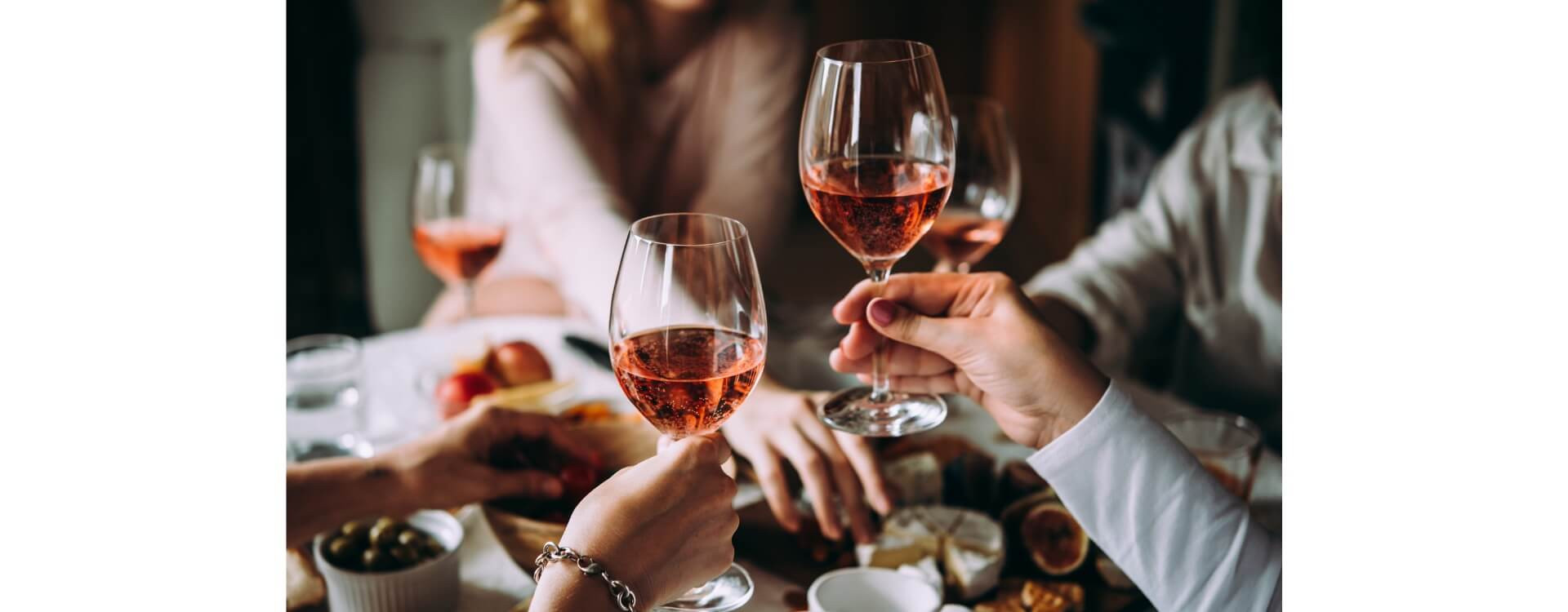
Serve a Bandol with a slow-cooked lamb shank, a garlicky bourride or grilled octopus. Its appellation rules impose 18 months in cask or foudre on the reds, and forbid any sale before the second year. Choose by color, not by vintage.
Bandol comes from eight villages in the Var, in an amphitheater of hillsides opening onto the Mediterranean, and it exists in white, rosé and red. Its appellation rules hold mourvèdre between 50% and 95% of the planting for the red, and between 20% and 95% for the rosé.
The white carries none of it, and comes instead from clairette, at 30% or more, plus bourboulenc and ugni blanc. Keep that in mind before you pick a dish, because a white Bandol is not a pale version of the red.
Then comes the rule nobody mentions at the table. The reds must have a minimum of 18 months of aging in casks or in foudres, those large oak casks. They cannot reach the market before May 1 of the second year following the harvest.
In other words, the bottle you open tonight has already served its time in wood, and the appellation served it for you. Two limits remain, the color and the cooking method, which changes the glass far more than the species of fish does.
Which fish and seafood go with a Bandol?
A white or a rosé, and the cooking method decides between the two. A white or rosé Bandol is aged until March 1 following the harvest, and is not sold before.
Grilled fish, octopus, squid
Reach for the rosé, which the appellation rules describe as more tannic than other Provençal rosés, and a grilled skin asks for exactly that extra body. Octopus seared on the plancha, squid with garlic, a grilled sardine: serve it at 10 to 12 °C, around 50 to 54 °F, no colder, or the structure vanishes.
Poached fish, baked fish
Move to the white, which the appellation text credits with a structure and a balance inherited from the strictness imposed on the reds. With poached whiting, sea bass with fennel or a baked sea bream, it goes alongside without ever covering.
Bouillabaisse and its rouille
Both colors work, depending on the weight of the broth: a saffron bouillabaisse served with its garlic rouille weighs far more than a plain fish. The white carries the broth, the rosé carries the rouille.
Which meats and braises go with a red Bandol?
Anything that has cooked for hours, because that is where those 18 months of wood show up in the glass. A red Bandol comes from vines of at least seven years, the AOC in red being withheld from younger ones.
Lamb shank and slow-cooked shoulder
A lamb shank three hours in the oven, a shoulder braised with herbs, a veal shank: the meat has fallen apart, and the wine arrives with the long keeping that the text grants it. Both took their time, and the red is served at 16 to 18 °C, around 61 to 64 °F, opened an hour before the meal.
Game and the autumn table
A civet, wild boar with olives or a roast pigeon: the red needs no persuading. Its aging requires wood, and wood alone, since the use of pieces of wood is banned by the text: what you smell comes from the cask, not from a chip.
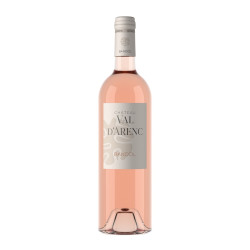
Our Bandol selection: whites, rosés and reds from the appellation, shipped by the grower who made them, at cellar-door prices. See the selection →
Which cheeses go with a Bandol?
Goat cheeses for the white, pressed cheeses for the red, and nothing compulsory in between.
Goat cheeses, fresh or half-dried
A banon, a young goat tomme, a small cheese rolled in pepper: a white Bandol has its place here. Clairette holds its shape where plenty of southern whites sag.
Pressed cheeses and aged sheep's milk
A sheep's milk tomme, an old cantal or a mimolette calls for the red. Its 18 months of aging have rounded off what the text calls powerful, firmly built, tannic wines, and that is the body an aged rind answers to.
Which Provençal dishes go with a Bandol?
The ones that smell of garlic, because that is the table of its own village.
Aïoli, anchoïade, rouille
Pairing guides steer around raw garlic, often with good reason, since it wipes out timid wines. A full aïoli, an anchoïade with its vegetables, a rouille on a rubbed crouton all call for a glass with some body. The rosé and the white of Bandol have it, born next door to those dishes.
Stuffed vegetables, daube, pissaladière
The red comes back as soon as the casserole appears. Small stuffed vegetables, a daube cooked with wine and orange, a warm pissaladière: all of it is eaten inside those eight villages, and drunk across Provence.
What are the best food pairings with a Bandol?
Look at the color, then at the cooking method, and leave the vintage for last.
The red, already aged 18 months: lamb shank, braised shoulder, daube, game, aged pressed cheeses. At 16 to 18 °C, 61 to 64 °F, opened an hour ahead.
The rosé, given structure by mourvèdre: grilled fish, octopus, squid, rouille, big summer salads. At 10 to 12 °C, 50 to 54 °F, never iced.
The white, with no mourvèdre: poached or baked fish, bourride, shellfish, fresh goat cheeses. Same service, 10 to 12 °C.
What not to ask of it: dessert. All three colors are dry, the text capping fermentable sugars at 3 grams per liter, and 4 grams for reds above 14% natural alcohol.
Bonus: our Provençal bourride
Bouillabaisse's cousin, and far more garlicky. The broth is thickened with aïoli off the heat, and that is the step that decides everything.
Ingredients (serves 4)
- 1.2 kg (about 2 lb 10 oz) monkfish in chunks, or a mix of rockfish
- 1 leek white, 2 carrots, 1 fennel bulb, 2 onions
- 4 ripe tomatoes, 1 whole head of garlic
- For the aïoli: 4 garlic cloves, 1 egg yolk, 200 ml (about 7 fl oz) olive oil
- 1 pinch of saffron, 1 piece of dried orange peel, 1 bay leaf
- 200 ml (about 7 fl oz) dry white wine, 8 slices of country bread
- Salt and pepper
Method
Sweat the sliced onions, leek, carrots and fennel twenty minutes in olive oil, without color. Add the crushed tomatoes, the head of garlic cut in two, the orange peel, the bay leaf and the saffron. Pour in the white wine, then water to cover, and simmer for thirty minutes.
Meanwhile, make the aïoli: crush the four cloves with a pinch of salt, add the egg yolk, then the oil in a thin stream without stopping.
Strain the broth, bring it back to a simmer, slide in the monkfish and count eight minutes. Lift out the fish, keep it warm.
Off the heat, loosen half the aïoli with three spoonfuls of broth, pour it back into the pan and stir until it thickens. The broth must not boil again, or it will split. Serve straight away, over grilled bread rubbed with garlic.
Why buy straight from the grower? A red Bandol cannot be sold before May 1 of the second year following its harvest, and it has spent at least 18 months in cask or foudre before that. The grower knows exactly how long, in which vessel, and on which vintage. The bottle leaves the estate, at cellar-door prices.
Bandol has the reputation of a wine you have to wait for, and the truth is the opposite: its appellation did the waiting in its place, and it even forbids the wine to arrive any earlier.
So bring it out for tonight's dinner, not for some distant date. A long braise, a grilled fish, a Sunday aïoli: the question is not when to open a Bandol, but what you put in front of it.
Our Bandol selection: from grilled fish to slow braises, all three colors of the appellation, sent out by the grower at cellar-door prices. See the selection →
Frequently asked questions about Bandol pairings
Do you have to wait before opening a red Bandol?
No, a red Bandol is ready the day you buy it. Its rules impose a minimum of 18 months of aging in casks or foudres on the reds, and set their release at May 1 of the second year following the harvest.
How much mourvèdre does a Bandol need?
A red Bandol holds between 50% and 95%, a rosé Bandol between 20% and 95%. These are ranges, not floors: the appellation rules also set a ceiling. The white carries none of it among its main or secondary varieties.
Is a Bandol always a dry wine?
Yes, a Bandol is dry in all three of its colors. The analytical standards in the appellation rules cap fermentable sugars at 3 grams per liter, and at 4 grams for reds above 14% natural alcohol. That is what keeps it away from dessert.
Are the 18 months of aging done in barrels?
For the red, the AOC Bandol rulebook calls for aging "en fûts ou en foudres", casks or large wooden tuns, without imposing either one. The Bandol growers' union presents the oak foudre as the traditional vessel. Pieces of wood are banned: the aging goes through a real cask.
Why buy your Bandol straight from the grower?
Because the grower knows what the bottle of Bandol has been through: the vintage, the color, the aging vessel and the time spent under wood. Four pieces of information that decide the dish served opposite, and that no label spells out. The price is the cellar-door price.