Delivery from €16,90 per winemaker in Europe (excluding the United Kingdom)

Let's eat !
What food goes with a Monbazillac? Between foie gras and dessert
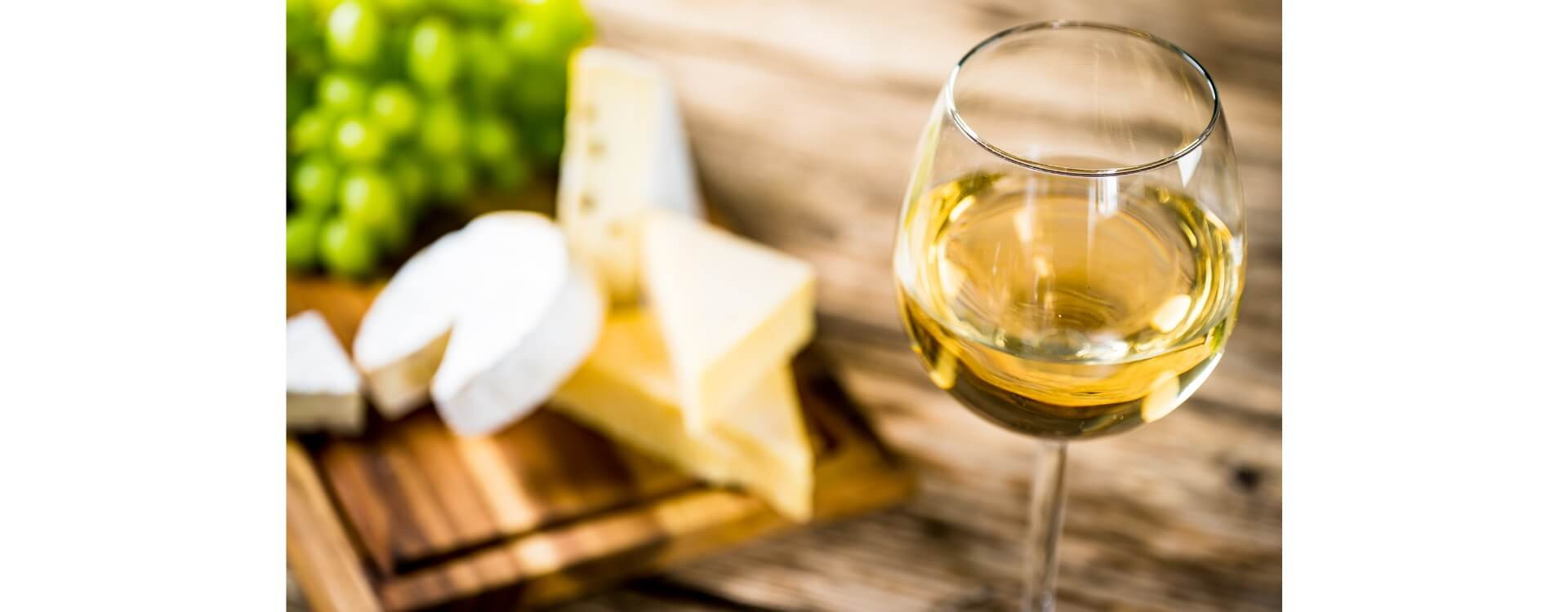
Serve a Monbazillac with roast capon in orange sauce, a seven-hour leg of lamb or a roquefort. Those are the pairings published by the Bergerac and Duras wine board. Foie gras and dessert are its two ends, not its whole range.
Monbazillac is a sweet white wine from five villages in the Dordogne, south of Bergerac. Its specification draws it from semillon, sauvignon and muscadelle, picked by hand in successive passes through the rows. The grapes come in overripe, with or without the work of noble rot.
The board itself does not box it in. On its appellation page it writes that a standard Monbazillac "has its full place as an aperitif and during the meal with well chosen dishes", and keeps dessert for the "sélection de grains nobles" bottling.
Of the eight recipes that same board ties to Monbazillac, four are desserts and two turn on foie gras. That leaves two savoury dishes, and they are where to start.
Which poultry goes with a Monbazillac?
Festive birds, as soon as the sauce brings sugar. This is the first of the two savoury dishes the board gives it.
Capon breast with orange and chestnuts
The recipe it publishes under that name lists Monbazillac among its wines, beside five reds and two neighbouring sweet whites. White meat steamed, an orange sauce finished with butter, chestnuts and gingerbread: all the sugar is on the plate.
Roast chicken and the Christmas turkey
A roast chicken or a Christmas turkey play the same part: white meat, fatty skin, a sweet garnish. On duck à l'orange the board in fact suggests a medium-sweet white, "matching the tart, sugary notes of the orange glaze".
Can a Monbazillac carry a lamb dish?
Yes, and the board files it under its "I dare you" pairings: a sweet wine with a seven-hour leg of lamb cooked in Monbazillac.
Seven-hour lamb, cooked in the wine you pour
The principle fits in one line: the bottle goes into the pot, then into the glass. Seven hours on a very low heat pull the meat apart, and the sugar in the cooking wine meets the sugar in the glass. On a plain roast leg, the same page stays with a red, "rich and concentrated".
Which truffle dishes go with a Monbazillac?
The ones where truffle meets fat and bread. This is the second savoury dish on the list, more everyday than you would think.
Truffled croque-monsieur from the Périgord
The recipe comes from the chef at Aux Tabliers Noirs, and the board gives it with three sweet wines, Monbazillac among them. A mix of grated Trappe d'Échourgnac, cream and egg, a slice of ham, truffle cut on a mandoline, the whole thing coloured in a pan.
Talleyrand's truffled pies
The appellation's specification records that the Count of Talleyrand-Périgord used truffled pies and Monbazillac "as a calling card in his diplomatic dealings". The pairing is two centuries old, and it was never a dessert.
Our Monbazillac selection: sweet wines from the appellation, shipped by their own grower, at estate prices. See the selection →
Which cheeses go with a Monbazillac?
Blue cheeses. Of the four cheese families the board sets out, that is the only one where it brings out a sweet wine.
Roquefort rather than the milder blues
The instruction is precise, and often read backwards. For a blue-veined cheese the board writes that you should not hesitate to bring out "a sweet wine, concentrated and voluptuous", able to "stand up to the rich character of a roquefort". For a gorgonzola or a fourme d'Ambert, it moves to a medium-sweet white.
The blue rather than the tomme
A cheese board mixes all four families, and that is where the bottle is decided. On uncooked pressed cheeses, reblochon or cantal, the same page pours a young red, and on goat's cheeses as on hard cheeses a dry white.
Do you have to give up foie gras and dessert?
No, but look at which one: the board does not put a sweet wine on every foie gras, and it hands dessert to one specific bottling.
Foie gras, as a mi-cuit terrine
On a mi-cuit terrine its "safe bet" opens to medium-sweet and sweet whites alike, Monbazillac included. On pan-seared foie gras it changes its mind: a medium-sweet white as the safe bet, an intense red as the bold one, and no sweet wine at all.
Dessert, and the noble berries that carry it
It goes to the "sélection de grains nobles" bottling, which the appellation page offers "as pure tasting pleasure or with a dessert". On a fruit tart or a crumble it speaks of medium-sweet or sweet whites. The crème brûlée, for its part, is on neither of its two dessert lists.
What are the best food pairings with a Monbazillac?
Read the label before you read the dish.
A standard Monbazillac: capon with orange and chestnuts, roast chicken, seven-hour lamb, truffled croque-monsieur. This is the wine the board sends to the meal itself.
A "sélection de grains nobles" Monbazillac: dessert, or the glass on its own. The specification requires more than 85 grams of fermentable sugar per litre, against more than 45 for the rest.
With cheese: blue-veined ones, roquefort first. The milder blues move to a medium-sweet white.
What not to ask of it: on a salad of smoked salmon, mussels or shellfish, the board pours a dry white.
One setting is left that nobody thinks to change: between 10 and 12 °C, in a stemmed glass with a wide base and a narrow rim, and better too cold than not cold enough.
Bonus: our capon with orange and chestnuts
The dish the board itself sets against Monbazillac. The sauce is finished with butter at the last second: that is the step that decides everything.
Ingredients (serves 4)
- 4 capon breasts from the Périgord
- 2 oranges
- 250 g whole chestnuts
- 4 slices of stale gingerbread
- 125 g butter
- 15 cl Bergerac white wine
- 1 shallot
- 1 teaspoon cinnamon
- 4 sprigs of chervil
- Salt and pepper
Method
Steam the breasts for about fifteen minutes, just long enough to keep them tender, then keep them warm.
Zest the oranges and squeeze their juice. Chop the shallot, soften it for three minutes in 20 g of butter, pour in the wine and reduce by half. Add the orange juice and the cinnamon, then the zest five minutes later, and season.
Fry the chestnuts for five minutes in 25 g of butter, then coat them with a quarter of the sauce. Chop the gingerbread roughly and colour it for two minutes in 25 g of butter. Whisk the remaining butter into the sauce.
Serve the breasts with the chestnuts and the sauce, dust with gingerbread crumbs and finish with chervil.
Why buy straight from the grower? Monbazillac is picked by hand, in successive passes through the rows, and the number of passes changes everything in the bottle. The grower knows how many he made, on which vintage, and whether the wine carries the "sélection de grains nobles" wording. It leaves the estate, at estate prices.
Monbazillac is not a wine for two moments. Foie gras and dessert mark the edges of its range, and everything between them is still waiting to be tried.
So open the bottle when the food arrives. A bird with a sweet garnish, a long-cooked piece of meat, a truffle, a blue cheese: these are the board's dishes, and they are the ones of the Bergerac country.
Our Monbazillac selection: from the festive capon to the cheese board, sweet wines sent by their own grower, at estate prices. See the selection →
Frequently asked questions about Monbazillac pairings
Is Monbazillac good for anything beyond foie gras and dessert?
Yes. The Bergerac and Duras wine board places it "during the meal with well chosen dishes", and its own recipes set it against capon breast in orange sauce and a truffled croque-monsieur.
Are successive picking passes compulsory in Monbazillac?
Yes, and it is written down: the specification states that "the wines come from grapes picked by hand in successive passes". The number of passes, on the other hand, is not a rule: the text mentions three passes "generally" made, in its descriptive part.
How much sugar is left in a Monbazillac?
More than 45 grams per litre, glucose and fructose together. That is the analytical standard in the specification, and it rises above 85 grams for the "sélection de grains nobles" wording. Do not confuse it with the 221 grams per litre of must required of the grapes at picking.
Do you have to wait before drinking a Monbazillac?
The bottle is ready when you buy it. The specification requires ageing at least until 15 May of the year after the harvest, and release from 1 June. For the "sélection de grains nobles" wording, ageing runs until 1 June of the second year.
Why buy your Monbazillac straight from the grower?
Because he knows what went into the bottle: the vintage, the passes made through his rows, whether the label carries the wording or not. Three pieces of information that decide the dish you put opposite. The price is the estate's own.