Delivery from €16,90 per winemaker in Europe (excluding the United Kingdom)

Let's eat !
Wine and cheese: 6 perfect pairings

Wine and cheese: 6 perfect pairings to elevate your cheeseboard
Cheese and wine are the twin pillars of French gastronomy, yet their pairing is often misunderstood. Red wine with every cheese ? It is a convenient habit, rarely a perfect match. We felt it was time to share the secrets of a harmonious union between these two great products of the French terroir.
Our wine and cheese selection - White, red and sparkling wines chosen to accompany every cheeseboard, at estate price. Discover the selection →
What to drink with cheese ? The key principles
Fair warning: with its AOC designations and hundreds of varieties, cheese is just as demanding and complex as wine. The pairing possibilities are virtually endless. That is why we have chosen to focus on the cheeses most beloved by the French, ones you have almost certainly tasted before, but perhaps not always with the wine that suited them best.
Before detailing the 6 pairings, it is worth recalling that cheese is rich in fat, salt and aromas, all of which directly influence how it pairs with wine. A cheeseboard may include goat's cheeses, soft-rind cheeses, washed-rind cheeses or cooked pressed cheeses, each with its own style, intensity and texture. The art of pairing wine and cheese becomes a precise exercise in balancing freshness, richness and aromatic intensity.
White wine and cheese: the winning combination
Dry white wines are the wines that pair with the greatest variety of cheeses. Choose them acidic and fruity, a description that fits many white wines and you are almost guaranteed to match any cheeseboard successfully. Their freshness and acidity balance the richness of cheese without the conflict that red wine tannins create.
Contrary to popular belief, white wine pairs far better with most cheeses than red wine does. This misconception stems from a simple habit: the red bottle opened during dinner is often finished with the cheese course. Opening a white wine at this stage is a small effort that pays off handsomely. For more on this subject, read our dedicated article: is white wine really the best match for cheese ?
Red wine and cheese: possible, with the right choices
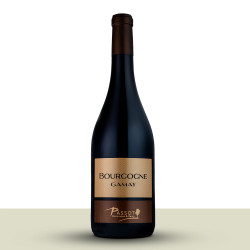
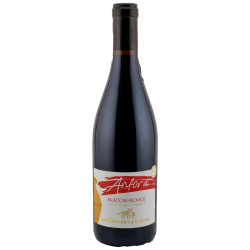
Red wine still has its place, particularly with pressed cheeses and dry varieties. When pairing cheese with red wine, avoid overly tannic cuvées that amplify bitterness. Better to favour supple grape varieties such as Gamay from the Beaujolais, Cabernet Franc from the Loire or an Alsace Pinot Noir for low-salt hard cheeses. For a complete guide, read: which red wine to choose with a cheeseboard ?
Vin jaune and cheese
Vin jaune is the mythical partner of comté, but it can also accompany other characterful cheeses. Its power and aromas of nuts and spices pair beautifully with well-aged pressed cheeses and flavoursome cooked pressed cheeses typical of the Jura.
Rosé wine and cheese
Rosé is often overlooked when it comes to cheese pairings, yet a dry rosé can beautifully complement a simple cheeseboard of light tommes, young goat's cheeses and lightly aged soft cheeses. An Anjou Gamay rosé or a fresh southern rosé works wonderfully for a summer evening around a cheeseboard.
Champagne and crémant with cheese
Sparkling wines create outstanding pairings, particularly with soft and bloomy-rind cheeses. A Crémant de Loire or a Saumur Brut elegantly accompany a varied cheeseboard, especially when served at the start of a meal or as an aperitif. The bubbles cut through the richness, highlight the creamy aromas of unctuous cheeses, and bring a festive dimension to the tasting.
The 6 essential wine and cheese pairings
Which wine to drink with camembert ?
Let us begin with the undisputed star of French cheeses. Camembert is a soft cheese with a bloomy rind, and it is almost always served with a glass of red with good reason, as its unctuous texture calls for a wine with enough character to hold its own. Bear in mind, however, that the combination of tannins and dairy fat rarely works well, often producing an unpleasant bitterness. Opt instead for a light red wine with discreet tannins. A Gamay from the Beaujolais or a Pinot Noir from Burgundy or Alsace is ideal.
Which wine to drink with goat's cheese ?
Goat's cheese is a family in its own right, fresh, creamy or aged, and the ideal wine pairing changes accordingly. For fresh or creamy goat's cheese, choose dry, fruity white wines such as a Loire Valley Sauvignon Blanc or a Burgundy Chardonnay. For aged goat's cheese, move towards a slightly off-dry white such as an Alsace Gewurztraminer or a Montlouis-sur-Loire. Find all our recommendations in our dedicated guide: which wine to drink with goat's cheese ?
Which wine to drink with ossau-iraty, cantal and saint-nectaire ?
These dense pressed cheeses generally have a powerful, full-flavoured taste that intensifies with ageing. The more aged the cheese, the thicker the rind and the spicier the flavour, so you will need a wine that can match it. A full-bodied red such as a Côtes-du-Rhône, a Fronton or a Côtes-de-Provence will hold its own. If the rind is thin and the cheese fruity, opt for a light, young white wine such as an Alsace Pinot Blanc or a Burgundy Chardonnay.
Which wine to drink with emmental or comté ?
These cooked pressed cheeses are recognised by their fruity aromatic profile, which pairs beautifully with rich white wines with notes of butter and hazelnut. Reach for a vin jaune from the Jura or a white Grenache from the Languedoc, an original pairing, particularly with aged comté that reveals spicy, complex flavours.
Which wine to drink with reblochon ?
Recognisable by its pungent aroma, reblochon belongs to the soft washed-rind family of cheeses. It calls for powerful, aromatic white wines with good acidity to avoid any bitter sensation. Spiced notes are a bonus for standing up to this cheese's assertive flavour. An Alsace Gewurztraminer or a Loire Valley Chenin Blanc are ideal companions.
Which wine to drink with roquefort ?
The great classic among blue-veined cheeses, roquefort has a strongly piquant, almost bitter character. It must be balanced with a naturally sweet red wine such as a Banyuls or a Maury from the Languedoc-Roussillon. The sweetness of these wines works beautifully with the cheese's sharp character and marries its unctuous texture.
The mistakes to avoid with wine and cheese
The first mistake is systematically serving a powerful red wine with every cheese. Delicate cheeses, fresh goat's cheeses, soft bloomy-rind cheeses, pair far better with dry white wines that respect their subtlety. The second mistake is combining very powerful, salty cheeses with wines that are too light: the pairing feels unbalanced, with the wine disappearing behind the cheese.
Another common trap: serving a single wine with a very varied cheeseboard. If you are offering a wide range of styles, it is wiser to provide at least two wines, a white from the Loire and a light red such as a Beaujolais Gamay, for example. Finally, respect the order of service: start with the mildest cheeses and finish with the most powerful and the blues, so that the tasting remains progressive and enjoyable throughout.
Why buy your wines for cheese direct from the producer ?
A great wine and cheese pairing depends on the quality of the bottle as much as the choice of cheese. On our marketplace, the wines we select to accompany cheeseboards, Loire Sauvignons, Alsace Gewurztraminers, Beaujolais Gamay, naturally sweet wines, are offered directly at estate price. No wholesaler, no intermediary: you pay a fair price, and the winemaker receives fair recognition for their work.
? Our wines for cheese at estate price - Dry whites, medium-sweet, light reds, sparkling and naturally sweet wines: every profile to make your pairings a success, direct from the producer. View the wine and cheese selection →
Frequently asked questions about wine and cheese pairings
Is it better to serve white wine or red wine with cheese ?
In the vast majority of cases, white wine is the best match for cheese. Its acidity and freshness balance the fat and salt of cheese without the conflict that red wine tannins create with dairy proteins. Red wine still works with pressed or dry cheeses, provided you choose light, low-tannin cuvées.
Which wine to serve with a varied cheeseboard ?
For a varied cheeseboard, the best approach is to offer two wines: a dry, fruity white (such as a Loire Sauvignon or a Burgundy Chardonnay) for goat's cheeses and soft cheeses, and a light, low-tannin red (Beaujolais Gamay or Pinot Noir) for pressed cheeses. Avoid choosing a single wine for all the cheeses, the profiles are simply too different.
Which wine pairs with a blue-veined cheese like roquefort ?
Blue-veined cheeses (Roquefort, Fourme d'Ambert, Bleu d'Auvergne) call for wines capable of balancing their strong, salty, piquant character. Naturally sweet red wines such as Banyuls or Maury are the classic pairings. A sweet white wine such as Sauternes, Coteaux du Layon or Monbazillac also works beautifully through the sweet-salty contrast.
Can you serve champagne with cheese ?
Yes, and it is often an excellent choice. The bubbles cut through the richness and highlight the aromas of soft bloomy-rind cheeses such as brie or camembert. A Crémant de Loire or a brut Champagne pairs beautifully at the start of a meal or as an aperitif with a lighter cheeseboard. For more powerful cheeses, opt for a more structured Champagne or a full-bodied dry white.
What is the regional pairing rule for wine and cheese ?
The regional pairing rule involves matching a cheese and a wine from the same terroir. It works remarkably well because both products have been shaped by the same soil, climate and culinary traditions. Classic examples: Crottin de Chavignol with Sancerre (Loire Valley), Comté with vin jaune (Jura), Ossau-Iraty with dry Jurançon (Basque Country), Munster with Gewurztraminer (Alsace).
Keep these principles in mind and you will be able to create your own pairings, playing with textures, intensities and aromas to elevate every cheeseboard. Discover our selection of wines to accompany cheese directly on Avenue des Vins, delivered straight from estates and domaines across France.