Delivery from €16,90 per winemaker in Europe (excluding the United Kingdom)

Let's eat !
What wine to drink with foie gras?
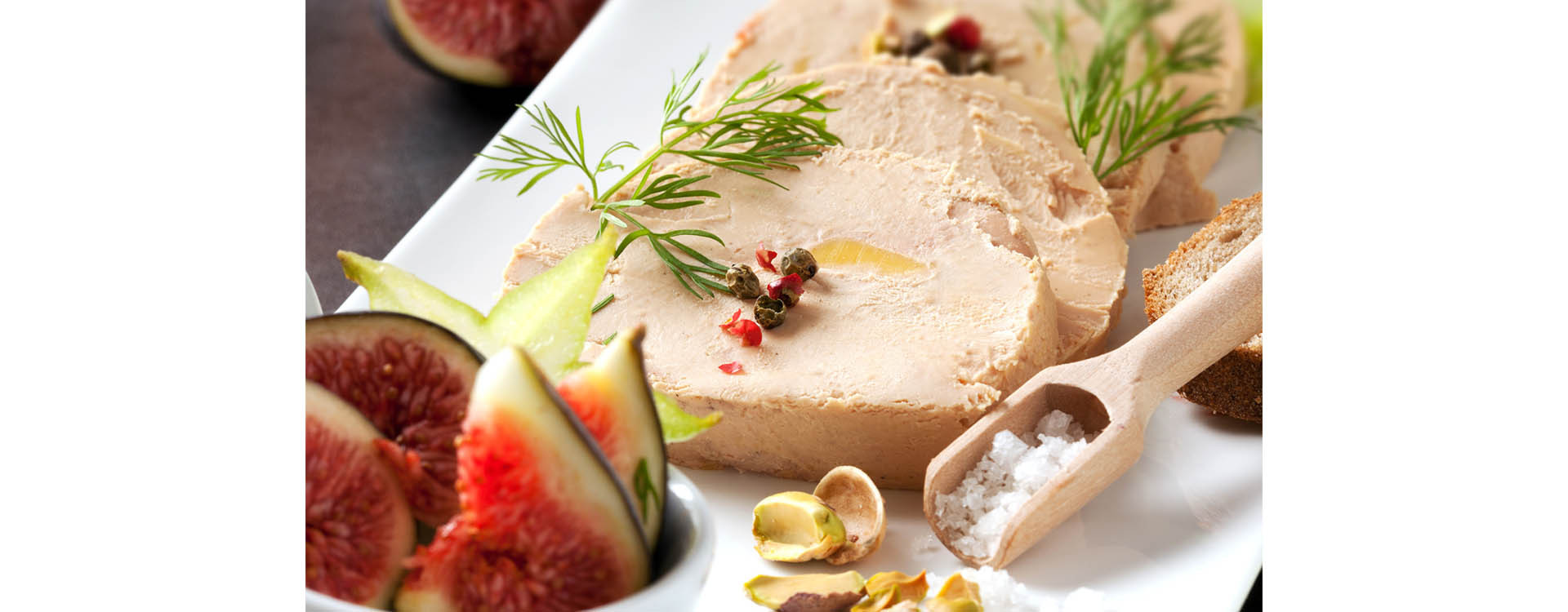
Difficult to Hide the Anticipation for One of the Stars of the Moment: Foie Gras
Foie Gras: More Than Just a Christmas Story
It's hard to hide the anticipation for one of the stars of the moment: foie gras. This festive delicacy has been a staple on French Christmas and New Year's Eve tables for many years. Both indulgent and gourmet, it can be served as an appetizer or a dessert, delighting many palates.
For wine and gastronomy enthusiasts, these festive moments are also synonymous with fine bottles and good times. This year, we unveil the secrets of a successful wine and foie gras pairing to delight your taste buds.
Foie Gras has not waited for Christmas to make its mark on our tables. Although Father Christmas originated in the mid-19th century and Christmas traditions took root in the 4th century AD, foie gras has been around for a much longer time.
The earliest evidence of fattening geese for gastronomic purposes dates back to ancient Egypt, between 2845 and 2400 BC. This historical trace is depicted in a carved stone bas-relief visible at the Louvre Museum in Paris.
The relief shows the process used by Egyptians to fatten geese and prepare foie gras, far from the Christmas tables. It is believed that the discovery of foie gras's taste qualities is linked to ancient divination practices, where reading animal entrails was common.
This practice traveled through the years and civilizations to reach us, including through the Roman Empire. Pliny the Elder, a Roman naturalist and writer, worked diligently to find the official inventor of foie gras and explore various ways to prepare it.
Today in France, there are two major styles of foie gras: southwestern foie gras, lightly seasoned to let the liver's flavors shine, and Alsace foie gras, which is spiced more heavily.
What Type of Wine Pairs Well with Foie Gras?
The texture of foie gras, rich in saturated fatty acids, pairs particularly well with the natural acidity of a wine. Naturally, foie gras's flavors are elegantly enhanced by sweet notes, which is why it is often served with onion confit. So, a wine with good sweetness and acidity is ideal. However, it’s not that simple, as it depends on how the foie gras is prepared:
When simply sliced and served with accompaniments (onion confit, fleur de sel, mango chutney, fresh figs, etc.), it pairs well with a sweet white wine with good acidity. When cooked or semi-cooked, it pairs with dry white wines with good creaminess, preferably aged in oak barrels. If you wish to pair it with a red wine, you’ll need to pan-sear the foie gras. Pan-seared foie gras acquires taste characteristics that make it compatible with red wines with powerful fruit notes, or even naturally sweet red wines.
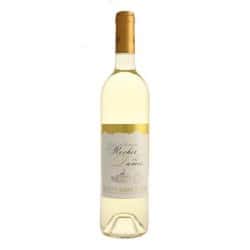
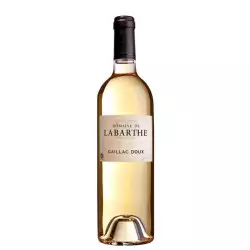
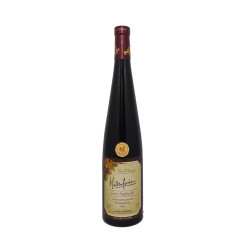
Our Selection Wines and Foie Gras : the right pairing, direct from the winemaker. See the wines →
Which white wine should you choose depending on the type of foie gras (duck or goose)?
The rule is simple: the richer the foie gras, the more the white wine should combine freshness with measured roundness. Duck foie gras, which is meatier and more flavorful, is often best paired with a sweet white wine that’s rich yet balanced by acidity. Sweet wines from Southwest France (IGP Sud-Ouest Doux, AOC Monbazillac) or from the Loire Valley (AOC Coteaux du Layon, AOC Bonnezeaux) with notes of candied fruit, honey, and citrus are excellent choices. Their moderate sweetness complements the usual accompaniments (fleur de sel, fig chutney, onion confit) without weighing down the palate.
Goose foie gras, often more refined and delicately spiced (a hallmark of Alsatian tradition), pairs beautifully with vibrant styles of both dry and sweet white wines. A dry AOC Vouvray made from Chenin Blanc, or a late-harvest Gewurztraminer Grand Cru Vendanges Tardives from Alsace, works particularly well. For a more mineral touch, seek out dry white wines from the Jura (AOC Côtes du Jura) known for their precise aging and clean, linear palate.
Which Champagne should you drink with foie gras?
A Brut Champagne beautifully elevates the tasting experience of foie gras, creating a festive food and wine pairing. Indeed, Champagne naturally finds its place on Christmas and New Year’s tables. For greater precision, you can opt for an Extra Brut (or Brut Nature) to balance the richness without excess sweetness. Conversely, a Demi-Sec or Doux Champagne can make a lovely finale if foie gras is served just before dessert, an old tradition.
If you’re looking for bubbles at a more affordable price, a Crémant de Bourgogne offers fine bubbles and brioche notes, perfect with foie gras simply seasoned with fleur de sel. For a southern touch, a Crémant de Limoux combines lemony freshness and toasted nuances, ideal with grilled country bread.
Perfect Appellations for Enjoying Foie Gras
The most closely associated appellations with foie gras are sweet white wines. For enjoying foie gras in its natural state, we recommend Sauternes, Barsac, Muscat de Beaume de Venise, Monbazillac, AOC Céron or sweet Pinot Gris.
These wines unsurprisingly come from the South-West and Alsace regions, known for their foie gras. For a change, consider a trip to the Loire Valley with a Quart de Chaume or a Coteaux du Layon. Guaranteed success!
If you want to serve cooked foie gras with a dry white wine, the Loire can again provide with a Vouvray Sec. The most famous pairings are generally found in Burgundy with Meursaults or in the Rhône Valley with Condrieu.
For red wines, opt for a Pommard, liquor wine or a naturally sweet red wine such as Maury, Banyuls, Rivesaltes, or Ratafia.
Our Selection Wines and Foie Gras : wines from independent winemakers, at the estate price. See the selection →
Our selection for an original foie gras and wine pairing
Want to step off the beaten path? Some lesser-known appellations may pleasantly surprise your guests!
- Ice Wine: served well chilled, it offers fruity intensity (apple, quince, apricot) and a beautiful balance of sweetness and acidity, perfect in small amounts with semi-cooked foie gras.
- Vin Paillé de Corrèze: its full-bodied texture and notes of caramelized dried fruit pair wonderfully with terrine-style foie gras enhanced by mild spices.
- White Vintage Port: original and complex, with hints of citrus zest, vanilla, and dried fruit, ideal with foie gras and onion confit.
- White Pineau des Charentes or Floc de Gascogne: with notes of dried fruit, yellow fruit, and cinnamon, they create a truly gourmet experience with duck foie gras.
Which red wine should you drink with foie gras?
Choose a delicate red wine with silky tannins. For pan-seared foie gras, a light, fruit-forward Pinot Noir (red berries, subtle spices) can work, provided it remains supple. Powerful reds should be avoided unless they have softened through long aging. Well-matured wines like an old Saint-Émilion Grand Cru or a Vosne-Romanée with aromas of dried leaves pair beautifully when foie gras is served as part of a warm dish, such as Tournedos Rossini or Lièvre à la Royale.
White or Red Wine with Foie Gras: Which to Choose?
We have discussed the types of wine that match foie gras depending on its preparation. However, this is not the only decision criterion to consider.
Indeed, the order of the meal is important and presents a tricky question when pairing wine and foie gras. The order of wines during a meal should follow a relatively precise sequence: sparkling wines, dry whites, sweet whites, light reds, powerful reds, and finally, sweet wines.
A precise order should also be followed for dishes so that each one makes way for the next without overshadowing it. Foie gras is a powerful-flavored dish, typically accompanied by a sweet wine.
The sommelier's trick is to consider the balance of the entire meal. If served at the beginning of the meal, choose a powerful red wine (such as a Pommard) to be served after the aperitif and white wines.
If you aim for the perfect match with a sweet wine, surprise your guests by placing foie gras just before dessert. It may be surprising, but foie gras has been served this way for many years, and the tradition of serving it as an appetizer only emerged a few decades ago.
Our Selection Wines and Foie Gras : cuvées chosen from the winemakers, with no middleman. See the selection →
FAQ - Wine and foie gras
Which wine goes with foie gras depending on how it is prepared?
Raw foie gras calls for a sweet white with both sweetness and acidity, such as a Sauternes or a Monbazillac. Semi-cooked, it prefers a rich dry white aged in oak. Pan-seared, it can take a fruity red with supple tannins.
At what temperature should you serve wine with foie gras?
Serve the sweet white chilled, around 8 to 10 degrees Celsius, to keep its acidity against the richness. A Champagne goes slightly cooler, near 8 degrees. A light red with pan-seared foie gras is best around 15 to 16 degrees.
Can you drink red wine with foie gras?
Yes, provided you pan-sear it and pick a delicate red with silky, fruit-forward tannins. An airy Pinot Noir or an old grand cru softened by ageing avoids the clash between the tannins and the richness of the liver.
Where does foie gras fit in the order of a meal?
Served as a starter, follow it with a smooth sweet white, then the reds, keeping sweet wines for the end. Some prefer to bring foie gras just before dessert to pair it with a dessert wine, an older custom than it seems.
Duck or goose foie gras: does the wine change?
Duck foie gras, meatier and fuller, suits a rich sweet white held together by acidity. Goose foie gras, finer and lightly spiced, prefers a vibrant dry white or an Alsace sweet wine like a late-harvest Gewurztraminer.