Delivery from €16,90 per winemaker in Europe (excluding the United Kingdom)

Let's eat !
Which wine to use to make mulled wine?
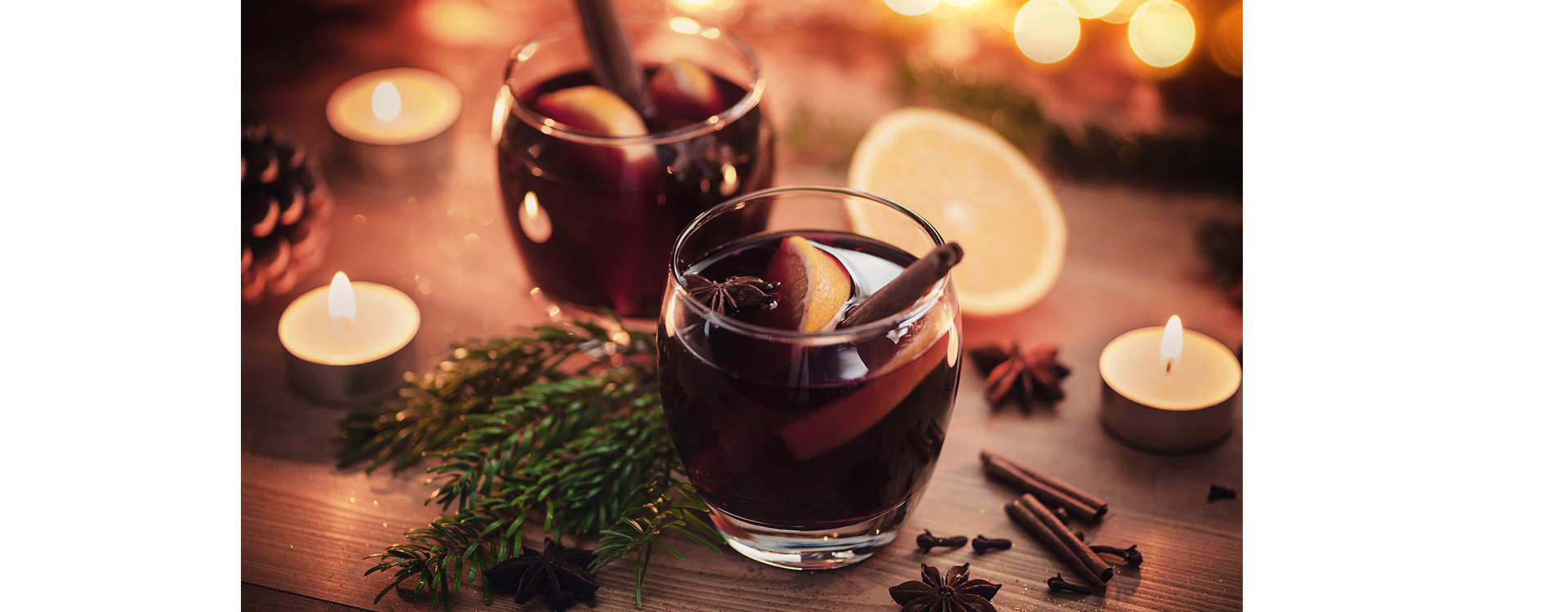
A staple of European winters, mulled wine is a comforting hot drink, perfect for sharing cozy moments with family or friends. Traditionally enjoyed at Christmas markets, this spiced, cinnamon-scented beverage delights with its warm aromas and sweet finish. While the traditional recipe is simple, choosing the right wine is key to crafting a delicious homemade mulled wine.
Mulled Wine: A Drink with Ancient Origins
Mulled wine is far from a modern invention. It was already appreciated in ancient times and considered an aristocratic drink in some cultures. The first traces date back to the Roman Empire, where people drank conditum paradoxum, a sweet, spiced wine served warm and believed to have health benefits. The tradition has been preserved across Europe, with regional versions such as "Glühwein" in Germany or "Glögg" in Scandinavia. Still very popular in France, especially in Alsace, mulled wine remains the go-to drink for winter festivities and Christmas markets.
Our Selection Mulled Wines : the right pairing, direct from the winemaker. See the wines →
Which Red Wine to Choose for Mulled Wine?
Mulled wine is a recipe where wine is heated with a bit of sugar, infused with spices, and slices of oranges. Choosing the right wine ensures the success of your homemade mulled wine. In this recipe, the wine brings an intense fruity taste, so we recommend choosing a young wine with red fruit aromas. Opt for a round wine, as heat enhances the wine’s astringency.
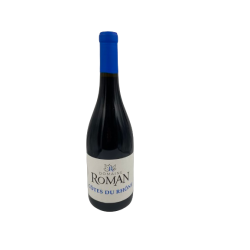
For your mulled wine, choose a generous and indulgent red wine. Go for an appellation with a slight power to achieve a harmonious result with the taste of the spices. You can select a red wine from a Rhône Valley estate, such as a Côtes du Rhône appellation. Wines from Languedoc-Roussillon are also perfect for making this winter drink. Finally, you can choose a Beaujolais cru with intense fruity notes or a Bordeaux wine without barrel aging to create your mulled wine recipe.
To make a successful mulled wine, avoid highly structured, tannic, or concentrated red wines that could overpower the taste of the fruit and spices and unbalance the recipe. Older vintages, more than 5 years old, should also be avoided as they have lost their fruity aromas.
Which White Wine to Choose for an Original Mulled Wine?
If you want to create an original mulled wine, opt for a white wine recipe that will surprise all your guests. In this case, choose a sweet white wine. Favor the Alsace region with the Gewurztraminer and Pinot Gris appellations to make a round and aromatic mulled wine. You can also use a sweet or semi-sweet white wine such as a Sauternes or a Muscat. This type of wine brings roundness to your recipe.
Which red wine should you choose for a successful mulled wine?
While the traditional recipe uses a young, fruity red wine, it's worth noting that certain types of red wine work particularly well. A light-bodied red wine, made from low-tannin grape varieties, helps maintain a good balance with the spices and sugar. Beaujolais Nouveau, for example, stands out with its fruity notes and freshness, making it very well suited to this type of preparation. It's best to avoid oaked or overly concentrated wines, which don't handle heat or aromatic blending well.
How to Sweeten Your Mulled Wine
Sugar quantity plays a major role in balancing the recipe. Generally, between 80 and 100 grams per bottle is recommended, depending on the sweetness of the wine. If you’re using a semi-sweet or sweet wine, reduce the sugar accordingly. Unrefined cane sugar or honey is preferred for a warm, natural touch. Avoid white sugar, which can flatten the flavors. Some people also add grape juice to intensify sweetness and highlight the fruit aromas.
For those looking to change things up, brown sugar is an excellent alternative to white sugar. It adds a more intense, caramelized flavor that pairs especially well with red wine and spices. Cane sugar is also a popular choice for those who prefer more natural, less refined ingredients. Some even choose to sweeten their mulled wine with a combination of honey and brown sugar for a softer and more aromatic result. You can also enhance the sweetness by adding fresh citrus juice, like orange juice.
Our Selection Mulled Wines : wines from independent winemakers, at the estate price. See the selection →
Which Spices to Use in Mulled Wine?
A successful mulled wine is all about a careful blend of spices. The most common include:
- Cinnamon sticks or ground cinnamon for warmth and spice
- Star anise for a hint of licorice
- Cloves for a strong, aromatic touch
- Ginger or cardamom for a subtle kick
You can also get creative with citrus zest, tonka bean, or even a splash of blueberry liqueur for added character. Some recipes also include a base of fruit liqueur or a shot of spirits.
To add a subtly woody and warming touch, you can also include grated nutmeg, which pairs wonderfully with cinnamon and star anise. Another great addition: orange peels or lemon zest, which enhance the freshness of the mulled wine while balancing its sweetness. These citrus elements are perfect for bringing out the fruity notes of red wine. There are also pre-mixed spice blends available in sachets, often including ingredients like ground ginger, lemon zest, orange peel, and star anise, all traditionally used in this winter beverage.
How to Make Christmas Mulled Wine?
The mulled wine recipe is very easy to make at home and always follows the same principles: the wine is gently heated with spices and sugar. Once the wine simmers, it is left to infuse and then strained.
Depending on your taste and the recipe, you can add more or less sugar to your mulled wine. It is also possible to add various spices such as cinnamon, star anise, cloves, cardamom, ginger, tonka bean, nutmeg. Finally, in some versions, one or two tablespoons of strong alcohol such as Cointreau, rum, gin, or vodka are added.
Here’s how to make Christmas mulled wine:
- Pour a bottle of red or white wine into a saucepan.
- Add 100 g of sugar.
- Add spices: 1 cinnamon stick, 2 star anise, 2 cloves, and citrus zest (orange or lemon).
- Bring to a simmer and cook on low heat for 5 minutes.
- Turn off the heat and let it infuse, covered, for at least half an hour.
- Before serving, remember to gently reheat your mulled wine.
The art of mulled wine through the ages
Mulled wine is a true winter tradition, deeply rooted in cultural history. From the Roman Empire with the famous conditum paradoxum, to cozy winter evenings at European Christmas markets, this beverage has stood the test of time. In Sweden, Glögg was notably popularized in the early 20th century by Emil Norlander, a Swedish writer who helped spread the tradition. This age-old drink is much more than a simple recipe, it embodies the holiday spirit, togetherness, and the warmth of simple moments.
Practical tips for perfect homemade mulled wine
To make great mulled wine, it's helpful to follow a few key steps. Preparation time is usually short (5 to 10 minutes), but don’t overlook the importance of cooking and infusing. A gentle heat is essential to preserve the alcohol and the aromas. The ideal method is to bring to a simmer, then cover and let infuse for at least 30 minutes. To save time, you can also use ready-to-use kits or spice sachets, which are convenient for quickly preparing mulled wine at home or outdoors, perfect for Christmas markets or festive events.
On Avenue des Vins, we offer a selection of wines to accompany your Christmas recipes and to give as gifts to your loved ones during the holiday season. Red wine, white wine, or champagne, discover all our appellations directly from the wineries and estates.
Our Selection Mulled Wines : cuvées chosen from the winemakers, with no middleman. See the selection →
FAQ - Mulled wine
Can you make mulled wine with white wine?
Yes. A sweet white such as an Alsace Gewurztraminer or Pinot Gris makes a round, aromatic version. A dessert wine like Sauternes or Muscat adds body and lets you use less sugar.
How much sugar goes into a bottle of mulled wine?
Plan on roughly 80 to 100 g per bottle, less if the wine is already sweet. Unrefined cane sugar, honey or brown sugar warm the flavour better than white sugar.
Do you need an expensive wine for mulled wine?
No. What matters is a balanced, fruity young wine with red-fruit notes. A light, low-tannin red holds up to heating far better than an oaked or concentrated bottle.
Which spices belong in mulled wine?
Cinnamon, star anise, cloves and a touch of ginger or cardamom form the base. Citrus zest, a little grated nutmeg or tonka bean round out the aroma.
Which wine region is best for mulled wine?
The Rhône Valley and Languedoc-Roussillon give fruity reds that suit it well. A fruit-forward Beaujolais or an unoaked Bordeaux also work nicely.