Delivery from €16,90 per winemaker in Europe (excluding the United Kingdom)

Unbeatable !
Which wine goes best with sangria?

Iconic Drink of Spanish Gastronomy: Sangria
Sangria, an emblematic beverage of Spanish cuisine, is a refreshing cocktail perfect for summer.
Discover how to make homemade sangria and which wine to choose to get it right with our tips.
What Red Wine to Use for Making Sangria?
Traditionally, sangria is made with red wine. Its name comes from the Spanish word "sangre," which means "blood." This cocktail is highly popular in Spain and is best enjoyed very chilled. It is prepared with red wine, macerated fruits such as orange, apple, lemon, sugar, and spices.
To make a good homemade sangria, it’s essential to choose the right red wine. Opt for a young, fruity, and light wine and avoid overly tannic wines, as they do not complement the light and refreshing nature of this recipe. Choose fruity and smooth wines like a Beaujolais or from the Rhône Valley. Wines based on Grenache, Merlot, or Syrah work well with the taste of sangria.
For your homemade sangria preparation, selecting quality ingredients is crucial. Prefer organic, ripe fruits to ensure they impart all their flavors to the wine. Cutting the fruits into cubes rather than slices will make for a more flavorful and enjoyable drink. Consider adding spices like cinnamon or vanilla to enhance your sangria. Adjust the acidity of your drink by adding a bit of sugar. Finally, make sure to let your sangria chill in the refrigerator for several hours before serving.
Sangria with White or Rosé Wine
If you want to create an original sangria recipe, you can replace the red wine with white or rosé wine. Choose a fresh, sunny rosé from the south, such as a Provence, Var, or Languedoc-Roussillon rosé. The fruity notes and aromas of these wines complement the sangria recipe perfectly.
For a white sangria, opt for a dry white wine to avoid an overly sweet drink. An Alsace white wine is ideal, as it is very expressive and adds a unique touch to your recipe. Dry white wines based on Chardonnay, like those from Burgundy, are also excellent for making white sangria. In these recipes, you can replace oranges and citrus fruits with sweeter fruits such as peaches, strawberries, or melon. Guaranteed success.
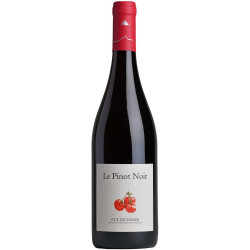
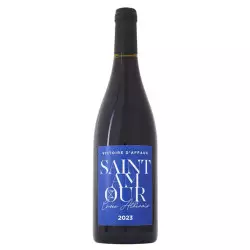
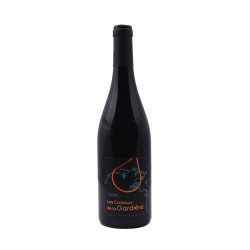
Our Red Wines Selection : A young, fruity red to nail your sangria, straight from independent winemakers at estate prices. See the selection →
Bonus: Our original homemade sangria recipe
To go beyond a simple red sangria, here is an original homemade sangria recipe inspired by a real wine merchant’s recipe, easy to make and perfect for your summer aperitifs. The idea is to highlight the fruity flavors of red wine and fresh fruit, while keeping a reasonable alcohol level so that everyone can enjoy this homemade cocktail.
Ingredients (serves about 6):
- 1 bottle of young, supple, fruity red wine (Beaujolais-style)
- 30 cl orange juice
- 10 cl lemonade or sparkling water for freshness
- 5 cl strong alcohol (such as brandy or orange liqueur), to be adjusted depending on the desired alcohol content
- 2 orange slices and several rounds of tangy fruit (lemon, lime)
- 300 g pieces of assorted seasonal fruit (peach, nectarine, apple, pear)
- A handful of red berries (strawberries, raspberries, blueberries) for color and fruity flavors
- 2 tablespoons cane sugar, adjustable to taste
- 1 small cinnamon stick
- a dash of orange-peel distillate (if you have some)
- A few ice cubes when serving
Preparation
- In a large bowl, pour in the red wine, orange juice, and lemonade. Stir gently to keep the fizz.
- Add the cane sugar, the cinnamon stick, and, if desired, the orange-peel distillate. Stir to dissolve the sugar well.
- Fold in the assorted fruit pieces, the red berries, as well as the orange slices and other citrus rounds. The more fresh fruit you add, the more aromatic the sangria will be.
- Add the chosen spirit, taking into account the desired alcohol level, then stir gently again.
- Cover and let it rest in the fridge for at least 2 to 3 hours so that the fruity flavors fully develop.
- Serve well chilled in large sangria glasses (or in a nice sangria bowl with a ladle), with a few ice cubes and pieces of fruit in each glass.
For lovers of Iberian culture, it is interesting to compare this version with other specialties such as Tinto de Verano, a lighter mix of red wine and lemon soda, very popular in Spain when it is hot. Spanish wines have also contributed greatly to the fame of sangria, with many ready-to-drink references such as Lolea Sangría, Don Simón Sangría, La Casera Sangría, or the Spanish artisanal sangria Lolailo. These industrial drinks can be handy, but nothing replaces a good homemade sangria made with real fresh fruit!
Discover on Avenue des Vins our carefully selected cuvées direct from French vineyards and estates. We offer a range of red, white, rosé wines, and Champagne perfect for all your social occasions.
Our Red Wines Selection : A young, fruity red to nail your sangria, straight from independent winemakers at estate prices. See the selection →
FAQ - Wine for sangria
Which red wine should you choose for sangria?
Go for a young, fruity, light and smooth red wine, and avoid overly tannic wines that would weigh the drink down. A Beaujolais or a Rhône Valley cuvée works well, as do wines based on Grenache, Merlot or Syrah.
Can you make sangria with white or rosé wine?
Yes. For a white version, choose a dry white wine such as an Alsace white or a Burgundy Chardonnay to keep the drink from getting too sweet. For a rosé sangria, pick a fresh southern rosé from Provence, the Var or Languedoc-Roussillon.
How long should homemade sangria rest?
Let your sangria chill for at least 2 to 3 hours before serving, so the fruit can macerate and the flavours develop fully. Serve it well chilled, with a few ice cubes and pieces of fruit in each glass.
Which grape varieties work best for sangria?
For a red sangria, fruity and supple varieties like Grenache, Merlot or Syrah pair well with the fruit and spices. They bring roundness without too much tannin, which keeps the recipe light and refreshing.
What is the difference between sangria and Tinto de Verano?
Sangria combines wine, macerated fruit, sugar and spices, and needs several hours of resting. Tinto de Verano is a simpler, lighter mix of red wine and lemon soda, very popular in Spain during hot weather.