Delivery from €16,90 per winemaker in Europe (excluding the United Kingdom)

Unbeatable !
Everything you need to know about non-alcoholic wine
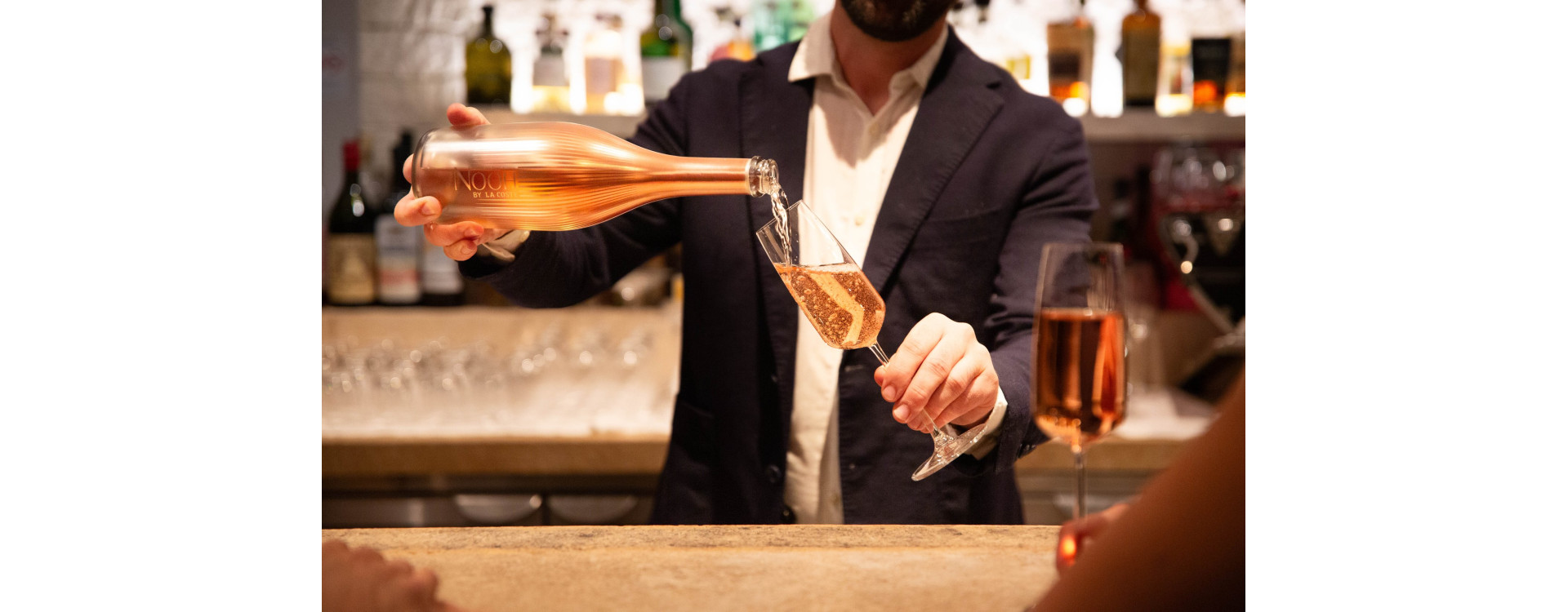
Non-alcoholic wine: the complete guide to everything you need to know
Have you ever heard of non-alcoholic wine ? While it may seem like a contradiction at first, this new type of wine is now a rapidly growing trend, attracting an ever-wider audience. Whether for health reasons, personal or religious beliefs, or simply for the pleasure of enjoying a wine without the effects of alcohol, this wine-based alternative is generating genuine enthusiasm. The dealcoholised wine market is experiencing significant growth, driven by an increasingly varied and high-quality offering. Today, it is possible to find non-alcoholic wines in every category: red wines, white wines, rosé wines and even sparkling wines. This wide range guarantees a tasting experience close to that of classic wines.
Once perceived as a mere substitute, non-alcoholic wines have evolved and established themselves as wines in their own right. Thanks to increasingly sophisticated dealcoholisation techniques, producers are now able to preserve the aromas and complexity of the wine, offering consumers a drink as enjoyable as a traditional wine. This complete guide will tell you everything you need to know about non-alcoholic wine: its definition, how it is made, its benefits and where to find it.
What is non-alcoholic wine ?
Non-alcoholic wine, also known as "dealcoholised wine", is an alcohol-free drink produced through a specific process aimed at reducing or eliminating the alcohol content of a wine while preserving its organoleptic properties. Unlike simple grape juices or wine-flavoured drinks, it is a genuine wine that, after fermentation, undergoes dealcoholisation to offer a tasting experience similar to that of a classic wine. One of the defining characteristics of non-alcoholic wine is that it generally contains less than 0.5% alcohol, a level so low it is often considered negligible. This allows it to meet the expectations of consumers who wish to limit their alcohol intake without giving up the pleasures of tasting.
Beyond the near-total absence of alcohol, dealcoholised wine is also distinguished by its aromatic profile. Thanks to technological advances, producers are able to preserve a large part of the wine's aromas and structure, resulting in a refined and elegant drink. Non-alcoholic wine can therefore be enjoyed on any occasion: as an aperitif, during a meal or alongside gastronomic dishes. In the rest of this article, we will explore in detail the different methods of producing non-alcoholic wine, its health benefits and the best ways to incorporate it into your daily life.
How is non-alcoholic wine made ?
The production of non-alcoholic wine relies on a careful process designed to preserve the gustatory and aromatic qualities of traditional wine while reducing its alcohol content. Unlike a simple fresh grape juice, which does not go through fermentation, non-alcoholic wine is first vinified like a classic wine before undergoing a dealcoholisation process.
The production steps
1 - Classic vinification: The first step involves producing a traditional wine. The grapes are harvested, pressed and then fermented to convert sugar into alcohol. This base wine then undergoes ageing to develop its aromas and structure.
2 - Dealcoholisation: Once the wine has been produced, this wine base is subjected to a technique designed to extract the alcohol without altering the aromas and flavours. Several methods are used:
Vacuum evaporation: This process involves gently heating the wine under vacuum to lower the evaporation temperature of the alcohol, allowing it to be removed without altering the aromatic compounds.
Reverse osmosis: This method uses a semi-permeable membrane to separate the alcohol from the other components of the wine, after which the water and aromas are reintegrated to preserve the taste of the original wine.
Low-temperature distillation: The alcohol is extracted using a distillation column under low pressure, which preserves the complexity of the aromas while eliminating the alcohol.
3 - Final adjustment: After dealcoholisation, the wine may undergo some adjustments to compensate for the loss of structure caused by the removal of alcohol. Some producers add natural extracts or use specific techniques to preserve the gustatory balance.
Thanks to these methods, non-alcoholic wine retains a large part of its original characteristics, offering a quality alternative for those who wish to enjoy wine without the effects of alcohol, while keeping the pleasure of tasting.
Our Alcohol-free Wines Selection : Our hand-picked alcohol-free cuvées, delivered straight from the estate at winemaker's prices. See the selection →
The benefits of non-alcoholic wine
A healthier option
One of the main advantages of non-alcoholic wine is that it allows you to enjoy the pleasures of wine while reducing the harmful effects of alcohol on health. By removing or reducing the alcohol content, this drink limits the risks associated with alcohol consumption, including liver disease, high blood pressure and cardiovascular disorders. It is therefore an ideal choice for those who wish to adopt a healthier lifestyle without giving up the conviviality of a good glass of wine.
A solution for every occasion
Non-alcoholic wine allows you to enjoy the experience of a good wine without the constraints associated with alcohol. It is particularly suited to people who need to avoid alcohol for health reasons, pregnant women, drivers and those who do not consume alcohol for religious or personal reasons. You can therefore enjoy a non-alcoholic wine before getting behind the wheel with complete peace of mind.
Our Alcohol-free Wines Selection : Our hand-picked alcohol-free cuvées, delivered straight from the estate at winemaker's prices. See the selection →
A lower-calorie alternative
Non-alcoholic wine is also an excellent alternative for those watching their figure! Since alcohol is a significant source of calories, removing it considerably reduces the caloric intake of a dealcoholised wine. A glass of classic wine contains on average 80 to 120 calories, while a non-alcoholic wine often contains fewer than 30, and sometimes fewer than 20 for certain cuvées. This difference makes it a wise choice for those who want to watch what they eat while still enjoying a pleasant tasting moment.
Better hydration
Unlike classic wines, which have a diuretic effect and promote dehydration, non-alcoholic wine better preserves the body's water balance. By choosing a dealcoholised wine, you avoid certain discomforts such as dry mouth, dehydration headaches and the feeling of fatigue after consumption. With non-alcoholic wine, no hangover!
A quality tasting experience
Thanks to technological advances and innovative dealcoholisation methods, modern non-alcoholic wines offer an aromatic palette increasingly close to that of classic wines (think indulgent red fruit notes, for example). Contrary to popular belief, these wines retain an interesting complexity and gustatory richness, allowing wine lovers to rediscover familiar sensations without the effects of alcohol.
A booming market
The non-alcoholic wine market is truly bubbling over, with an offering that is increasingly varied and high in quality. Many wine estates are venturing into the production of dealcoholised wines, offering carefully crafted cuvées to satisfy the most discerning palates (alcohol-free Bordeaux, alcohol-free Pinot, alcohol-free Rosé, etc.). It is now possible to find a prestigious bottle of non-alcoholic wine, for pleasure without compromise!
As you can see, non-alcoholic wine has firmly established itself as a credible and quality alternative to classic wine. Thanks to technological advances and the growth of the market, it is now possible to savour a dealcoholised wine that retains much of the gustatory characteristics of a traditional wine. Whether for health reasons, lifestyle choices or simply out of curiosity, non-alcoholic wine offers a unique tasting experience accessible to all.
Our Alcohol-free Wines Selection : Our hand-picked alcohol-free cuvées, delivered straight from the estate at winemaker's prices. See the selection →
FAQ about non-alcoholic wine
Non-alcoholic wine, dealcoholised wine, grape-based drink: what are the differences ?
A dealcoholised (or non-alcoholic) wine is a wine that has undergone a premium dealcoholisation process. It is vinified and then the ethanol is removed, generally down to a minimal quantity (often < 0.5%). By contrast, a grape-based drink may refer to unfermented grape musts or juices, with no natural fermentation. Finally, a flavoured dealcoholised wine-based drink changes the sensory experience and structure, as the result is closer to certain "pleasure" soft drinks of the cocktail type than to a wine.
How is a red or white wine made alcohol-free without losing its flavour ?
Producers first create a classic wine (red or white), then remove the alcohol while limiting aromatic loss. A quality approach aims to preserve polyphenols, tannins, sugar balance and mouthfeel. The goal is to retain authentic aromas (often fruity) and a coherent finish. The result depends greatly on the winemaker's expertise, the choice of grape varieties, and the care taken in the initial vinification.
Vacuum distillation, evaporation distillation, low-temperature distillation: what is the difference ?
Vacuum distillation refers to the technique that lowers the boiling point to extract alcohol more gently. This method is sometimes described as evaporation distillation carried out under reduced pressure, which limits the alteration of aromatic compounds. The term "low temperature" follows the same logic: protecting the aromatic profile and keeping the focus on taste and mouthfeel.
What is the purpose of cold filtration in dealcoholised cuvées ?
Cold filtration is used to stabilise the wine, in particular to prevent precipitates forming in the bottle (crystals, cloudiness) and to improve shelf life. In dealcoholised cuvées, this can be particularly useful as the structure changes after the alcohol is removed and certain balances shift. The aim is to obtain a clean, stable drink without degrading the authentic aromas or mouthfeel.
Reverse osmosis, nanofiltration, microfiltration: which method is the highest quality ?
Reverse osmosis and nanofiltration use membranes to separate part of the alcohol and water while retaining as many compounds as possible that are responsible for texture and aromas. Microfiltration is also used for certain clarification stages. Since wine is a complex drink, the final quality depends less on the filtration process than on the raw materials used and the winemaker's expertise.
Do non-alcoholic wines contain food additives ?
Some may contain food additives (depending on the brand and the style sought), while others do not. Gum arabic may be used to round out the texture and add body, for a mouthfeel similar to that of a traditional wine. This is why it is worth reading the nutritional labels if you wish to avoid products containing additives.
Are there sulphites in dealcoholised wines ?
Yes, sulphites are present in non-alcoholic wine, as they remain a common tool for protection against oxidation and certain microbiological risks, just as in traditional wine. If you would like to know more, please refer to our dedicated article on sulphite-free wines.
Can non-alcoholic wine help when trying to reduce alcohol consumption ?
For some people, replacing wine with non-alcoholic drinks can make it easier to cut down, as the ritual and part of the sensory experience are preserved. If the situation involves dependency, the advice of a healthcare professional is recommended in order to adopt an appropriate strategy.
Are there any non-alcoholic cuvées with a Protected Designation of Origin (PDO) ?
No, to date the specifications of PDO and PGI appellations prohibit dealcoholisation processes. However, as the global market continues to evolve, regulations may also change in the future (see European Regulation 2117/2021). Vegan wines are undergoing a similar regulatory evolution, another category on the rise among committed consumers.
Is there a non-alcoholic wine collection on Avenue des Vins ?
To easily explore the different styles, discover our non-alcoholic collection on Avenue des Vins. You can browse cuvées such as DIVIN ROSÉ, filter according to your preferences, and choose a bottle for direct delivery from the estate.
With an increasingly varied offering and carefully crafted cuvées, everyone can find a non-alcoholic wine that suits their tastes and desires. Discover our selection of the best non-alcoholic wines on Avenue des Vins, and let yourself be tempted by our bottles sourced directly from the domain or château of your choice !


