Delivery from €16,90 per winemaker in Europe (excluding the United Kingdom)

Unbeatable !
3 questions you may have about organic wine
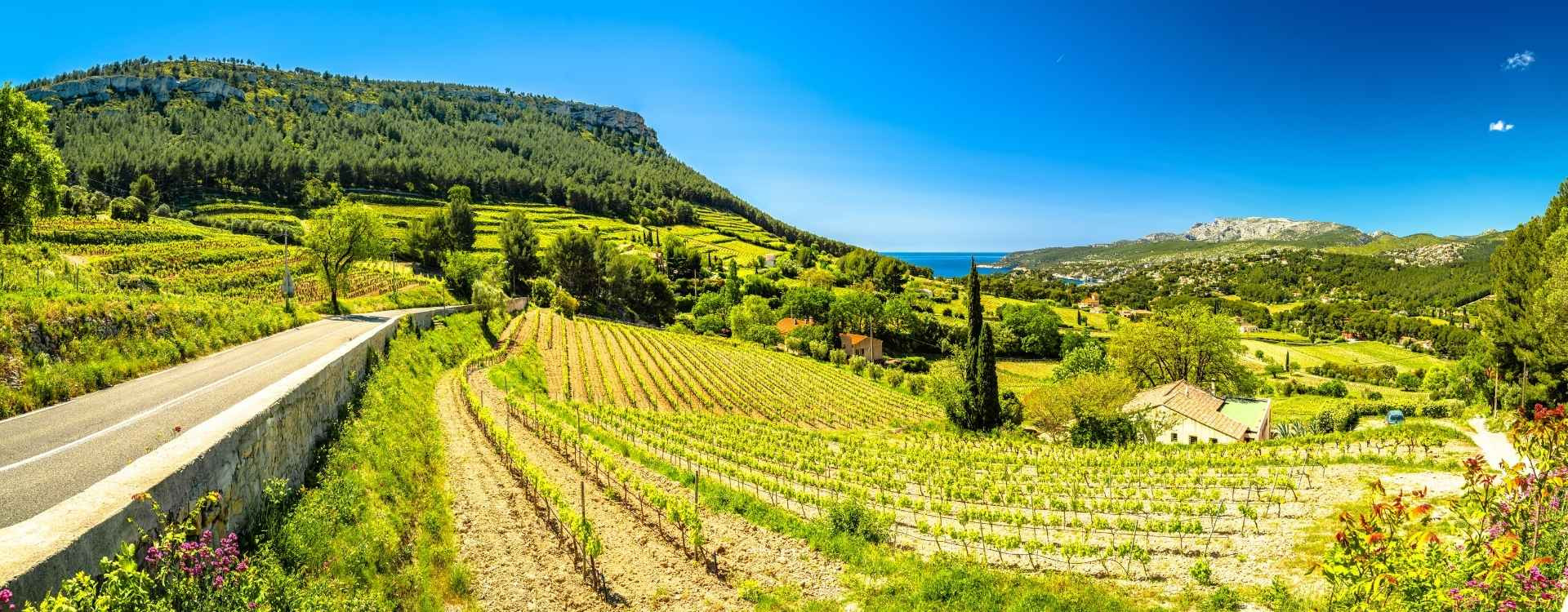
In foods, cosmetics, certain medications… and of course, in wine! Organic wine has been gaining popularity for several years now, both in France and abroad. However, the concept of organic wine isn't always clear to everyone. What exactly does this term mean? Does its taste differ from that of conventional wine? Does organic wine cost more? Thanks to this article and the insights from winemaker Fabien Chasselay, you’ll have all the answers about organic wine!
1) What is organic wine? Officially recognized for wines since 2012, the Organic Agriculture (AB) label follows a specific set of standards defined by Europe, which dictates that the vine must be treated with special care. While these criteria are too numerous to list individually, they generally involve using natural products and banning pesticides and other chemicals such as fertilizers and GMOs. Since 2012, the AB label not only applies to vine treatment but also to all stages of winemaking, including bottling. The AB logo must therefore appear on the label of bottles certified as organic wines.
“An organic wine represents the result of a viticulture approach that deeply respects the vine and, more generally, nature,” explains Fabien Chasselay from Domaine JG Chasselay (Beaujolais). “Organic cultivation allows for a more personal and precise touch in the wine. It is truly a pleasure to work this way. One feels more in harmony with nature,” he adds.
2) Does organic wine have a special taste? It’s difficult to answer this question definitively! Some winemakers claim that organic wines are characterized by their mineral and fruity qualities, while others mention floral notes in red wines, a characteristic rarely found in conventional French reds. Fabien, however, believes that the taste of a wine largely depends on the taster. “Discovering a wine is like admiring a work of art. Some will declare a particular painting a masterpiece, while others won’t understand it. It’s very subjective! Therefore, I don’t think a wine has a special taste just because it’s organic; it’s more about perception and feelings.”
3) Is organic wine more expensive? Most winemakers and viticulturists who choose organic practices do so with a focus on quality over quantity. As a result, labor is more intensive and yields are more unpredictable since organic vines are more fragile, leading to lower yields. This generally results in a slight increase in price compared to conventional wine, though the exact difference is hard to pinpoint. For reference, Agence Bio indicates an average price difference of €1.80, with organic wine priced at €8.70 compared to €6.90 for conventional wine, according to a 2014 article in Le Figaro.
Fabien believes that organic wine doesn’t necessarily have to cost more: “Certainly, organic wine production requires a bit more time and resources. But when we obtained the ‘organic’ label, we didn’t raise our prices. We simply aimed for a larger and more discerning customer base. What matters is the value for money. From this perspective, organic wine isn’t more expensive than a mid-range conventional wine. In fact, it’s entirely possible to buy quality organic wine for under €10,” emphasizes the winemaker.
4) Should you drink organic wine or conventional wine? Now that you know more about organic wine, you might wonder whether to choose the wine you’re used to or one that respects nature. For Fabien, this debate is unnecessary. “It would be a mistake to oppose these two types of wine and be categorical in choosing only one. You can very well enjoy both!” he says. “Let’s not demonize conventional wine! Each person produces wine according to their vision. That should be respected,” Fabien adds.
DISCOVER OUR SELECTION OF ORGANIC WINES UNDER €15.
Our Organic Wines Selection : Fancy going organic? Our organic wine selection, straight from the winemaker at estate prices. See the selection →
FAQ - Organic wine
What does the Organic Agriculture (AB) label mean for a wine?
Recognised for wines since 2012, the AB label follows a European set of standards: treating the vine with natural products and banning pesticides, chemical fertilisers and GMOs. It also covers every stage of winemaking, through to bottling. The AB logo must then appear on the label.
Does organic wine taste different from conventional wine?
There is no universal organic taste. Some winemakers point to mineral, fruity or floral notes, but perception stays highly subjective. For winemaker Fabien Chasselay, taste depends above all on the person tasting, not simply on the growing method.
Is organic wine really more expensive?
Often slightly, because organic viticulture is more labour-intensive and yields are lower and less predictable. The price gap stays moderate and hard to pin down. It is entirely possible to find a quality organic wine for under 10 euros.
Should you choose organic wine over conventional wine?
There is no need to pick a side. Fabien Chasselay believes setting the two against each other would be a mistake, since every winemaker crafts wine in their own way. You can enjoy a good organic wine or a good conventional one, depending on the occasion and your taste.
Why buy your organic wine directly from the winemaker?
Buying direct from the winemaker means paying the estate price, with no middleman adding a margin. You also gain in traceability and freshness, since the bottles ship straight from the estate. It is also a way to support small-scale, human-sized winegrowing.


