Delivery from €16,90 per winemaker in Europe (excluding the United Kingdom)

Let's eat !
Champagne, the ideal wine to celebrate Christmas
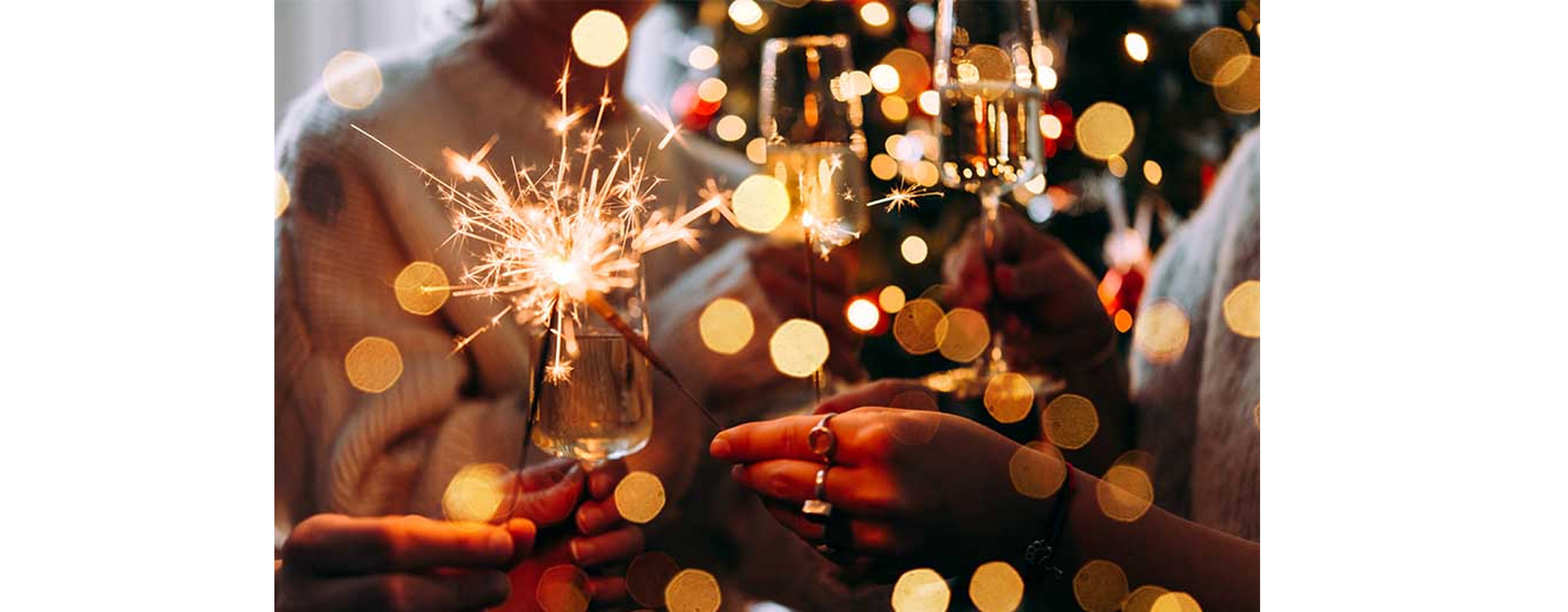
Choosing the Perfect Sparkling Wine for the Holidays: Champagne vs. Crémant
The holiday season often brings to mind the effervescent joy of Champagne, but with so many options available, selecting the right bottle can be a delightful challenge. Whether you're celebrating Christmas or New Year's, choosing between Champagne and other sparkling wines like Crémant can add a special touch to your festivities. Here’s a guide to help you make the best choice and explore some exciting cocktail options.
What Champagne to Choose for the Holidays?
Champagne is categorized by its sweetness, which is determined by the amount of sugar added after disgorging. Here’s a quick guide to selecting the right Champagne for different moments of your holiday celebrations:
-
Brut Nature or Extra Brut: These Champagnes have little to no added sugar and are ideal if you prefer a dry, pure expression of Champagne. They are perfect as an aperitif with seafood like oysters and can also pair well with main courses, especially those with rich sauces.
-
Brut: This is the most common style of Champagne and is a reliable choice for any occasion. It’s a versatile option for a range of appetizers and can stand up well to various festive dishes.
-
Extra Sec and Sec: Slightly sweeter, these Champagnes are great with cheese plates, particularly fresh cheeses, which benefit from the touch of sweetness.
-
Demi-Sec and Doux: These are the sweetest types of Champagne and are best enjoyed with desserts. Their higher sugar content complements sweet treats beautifully.
For gastronomic pairings, consider:
- Blanc de Blancs: Made from 100% Chardonnay, this Champagne pairs wonderfully with foie gras or dishes with a creamy texture.
- Blanc de Noirs: Made from 100% Pinot Noir, it’s an excellent match for game dishes or those featuring mushrooms.
Why serve champagne at Christmas?
Serving champagne at Christmas has become a true holiday tradition. Far from being just a sparkling white wine, champagne is, in French culture, a symbol of celebration, generosity, and exceptional moments. The magic of Christmas turns every table into a moment of sharing, and the bubbles in your glass instantly evoke elegance and festivity. It is no surprise, then, that in many families, opening a bottle marks the beginning of the Christmas celebrations.
Beyond its festive dimension, champagne embodies craftsmanship and a deeply rooted identity. Champagne houses, true symbols of French culture, craft cuvées born from exceptional terroirs and long-standing expertise. Blanc de blancs, blanc de noirs, or typical blends combining Pinot Noir, Pinot Meunier, and Chardonnay: each cuvée highlights a different facet of this unique wine. Christmas is therefore the perfect opportunity to explore this diversity, compare textures, and taste brut, non-dosé, or vintage champagnes according to your meal. This variety explains why champagne has become the essential wine of the holiday season.
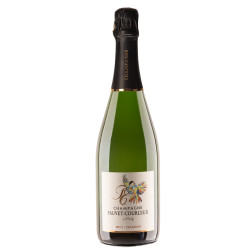
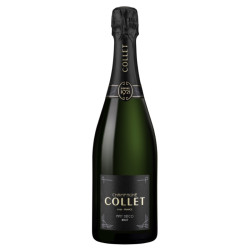
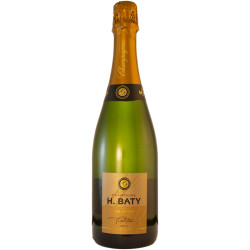
Our Selection Best Champagnes : the right pairing, direct from the winemaker. See the wines →
Champagne: an elegant Christmas gift
Champagne is one of the most appreciated Christmas gifts because it conveys both elegance and pleasure. Offering a bottle or a gift box is a universal present, suitable for a friend, a family member, or even a colleague. End-of-year gift sets often feature refined designs, sometimes with personalized labels, innovative packaging, or limited editions created especially for the Christmas season. Champagne is also a perfect gift to accompany a meal or to grace a festive table if you are invited somewhere.
The diversity of styles allows you to choose according to the recipient’s taste. A blanc de blancs for its finesse, a rosé champagne for its fruitiness, or a vintage brut for its rarity. With all the formats available, from mini bottles to magnums, everyone can find the perfect gift to match any budget. Do not hesitate to explore champagnes from small grower-producers or ambitious cooperative cellars rather than sticking only to major commercial brands such as Dom Pérignon, Veuve Clicquot, or Moët & Chandon.
Our Selection Best Champagnes : wines from independent winemakers, at the estate price. See the selection →
What are the best food pairings with champagne for Christmas?
Champagne is undoubtedly one of the most versatile wines for accompanying a Christmas meal. Thanks to its many expressions, blanc de blancs, blanc de noirs, rosé, brut, or vintage, it can enhance a wide range of iconic holiday dishes. Here are some pairing ideas to create the perfect food-and-champagne match for your festive meal.
- Seafood platter: Choose an extra-brut blanc de blancs for its freshness and finesse. Its citrus notes and lively character pair wonderfully with oysters, prawns, crab, or shellfish.
- Smoked salmon or gravlax: Opt for a brut champagne with delicately toasted aromas. Its fine festive bubbles soften the richness of the salmon and extend its finish.
- Seared or semi-cooked foie gras: Select a well-structured blanc de noirs or a vintage champagne. Their elegance balances the richness and sweetness of foie gras.
- Roast capon: A blanc de noirs made mostly from Pinot Noir is ideal. Its power, fullness, and ripe-fruit notes complement festive poultry perfectly.
- Turkey with chestnuts: The roundness of an extra-brut or brut champagne balances the sweetness of the chestnuts while adding energy to the texture of the turkey.
- Pan-seared scallops: An extra-brut champagne, crisp and precise, creates a subtle pairing with the scallops’ delicate iodine notes.
- Appetizer bites (puff pastries, savory petits fours): Choose a traditional brut champagne or a rosé champagne, both festive and versatile.
- Yule log or ice-cream log: A demi-sec rosé champagne with raspberry and redcurrant notes makes a fresh and elegant pairing when the moment for bubbles returns.
Festive Champagne Cocktails
Elevate your holiday celebrations with creative Champagne cocktails. Here are some festive options to surprise your guests:
-
Soupe Champenoise (Champagne Soup): A traditional French cocktail made with Champagne, sparkling water, lime, and a touch of sugar. It’s a refreshing way to start any holiday gathering.
-
Kir Impérial: This elegant cocktail combines Champagne with raspberry liqueur and fresh raspberries. It pairs beautifully with red fruit desserts, making it a great choice for a Christmas log (bûche de Noël).
-
Black Pearl: For a sophisticated touch, mix Champagne with cognac and coffee liqueur. This rich, aromatic drink is perfect for impressing guests.
-
Holiday Mimosas and Spritz: Give these classics a festive twist by using Champagne or Crémant and adding seasonal ingredients. For a holiday-themed Spritz, substitute Campari for Aperol to get a festive red hue.
Champagne vs. Crémant: What’s the Difference?
Both Champagne and Crémant are made using traditional methods, but there are notable differences:
-
Champagne: Produced exclusively in the Champagne region of France, Champagne undergoes a minimum aging period of 12 months and is known for its complex aromas, such as brioche and biscuit, due to extended contact with lees. The region’s specific terroir and the use of Pinot Noir and Chardonnay grapes give Champagne its distinct character.
-
Crémant: Made in various regions across France (e.g., Crémant d'Alsace, Crémant de Bourgogne), Crémants are crafted using the same traditional method as Champagne but with less strict aging requirements. They often feature a broader range of grape varieties, such as Chenin Blanc, Pinot Blanc, and Riesling. Crémants tend to be fruitier and often offer excellent quality at a more accessible price point.
While Champagne guarantees adherence to AOC rules and a specific flavor profile, Crémants provide fantastic alternatives with diverse characteristics and generally better value for money. Exploring both options can enrich your holiday festivities, offering a range of flavors and styles to suit every preference.
Enjoy the season with a sparkling wine that best complements your celebrations, whether it’s the classic elegance of Champagne or the delightful variety of Crémant. Cheers to a festive and joyous holiday season!
On Avenue des Vins, we offer an exclusive selection of champagnes ready to brighten your Christmas meal. Whether you are looking for a grower champagne made predominantly from Pinot Noir to accompany your capon, a blanc de blancs from a renowned champagne house for your seafood platter, or an elegant gift box to offer your loved ones, you will certainly find the ideal cuvée to celebrate the holiday season. Explore our online boutique like a true digital Christmas market and enjoy direct access to producers, secure payment, and reliable delivery to receive your bottles in the best possible conditions. May your year-end celebrations sparkle with bubbles!
Our Selection Best Champagnes : cuvées chosen from the winemakers, with no middleman. See the selection →
FAQ - Christmas Champagne
Which champagne should I serve as an aperitif at Christmas?
A Brut or Extra Brut is a reliable way to open the meal. Its moderate dosage and freshness whet the appetite without tiring the palate. For an aperitif around oysters, a lively blanc de blancs is an excellent match.
Which champagne pairs best with foie gras?
Seared or semi-cooked foie gras works with a well-structured blanc de noirs or a vintage champagne, whose fullness balances the richness. A demi-sec can also play on a sweet contrast, depending on your taste.
Should I choose a sweet or dry champagne for dessert?
For a Yule log or a sweet dessert, go for a Demi-Sec or Doux. Their sugar level meets that of the dessert, whereas a Brut would taste too dry and sharp. A demi-sec rose with red-fruit notes suits a fruity log nicely.
What is the difference between champagne and cremant?
Both are made with the same method, with a second fermentation in the bottle. Champagne comes only from its own appellation and must age at least twelve months. Cremant, made in other French regions, follows less strict rules and often offers strong value for money.
How much champagne should I plan for a festive meal?
Allow about one 75 cl bottle for three to four guests if the champagne covers the aperitif and part of the meal. Plan more if it is served from start to finish. A magnum is handy for large tables and keeps the wine fresh longer.