Delivery from €16,90 per winemaker in Europe (excluding the United Kingdom)

Portraits of winemakers
Domaine Eric Louis, Thauvenay: four generations of organic Sancerre at Les Celliers de la Pauline
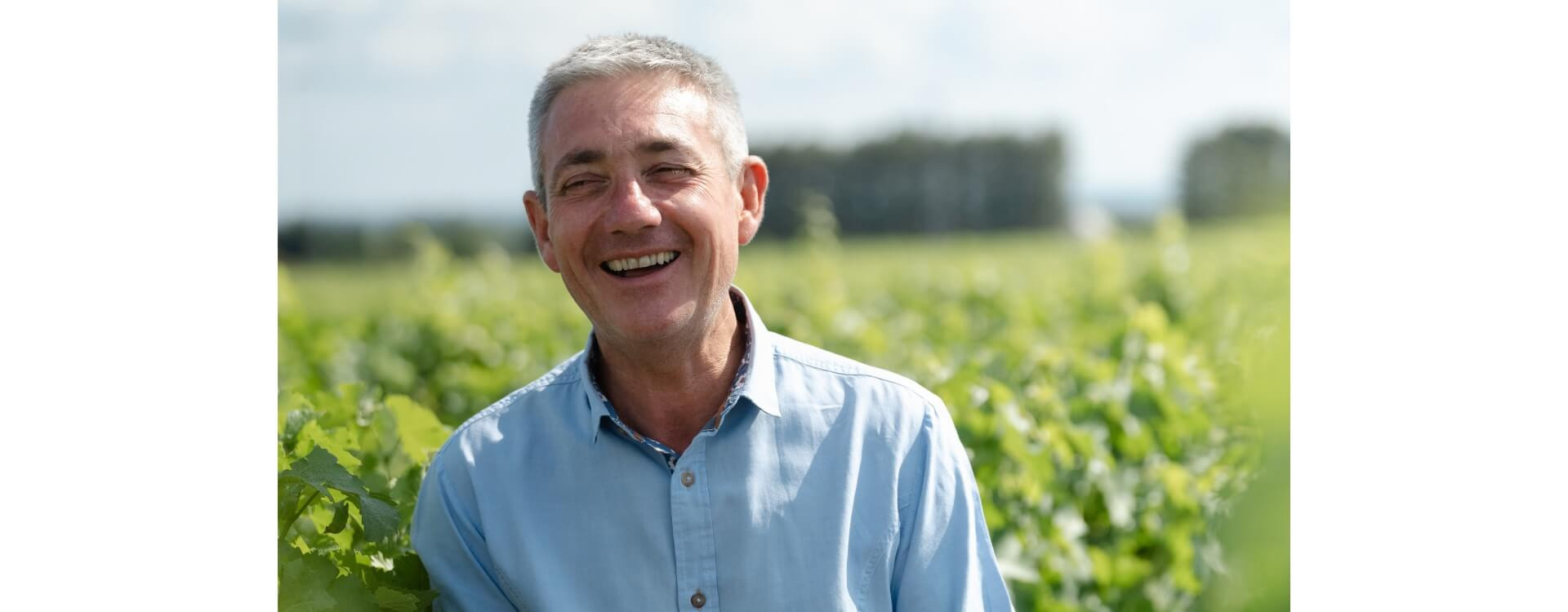
In Thauvenay, in the south-east of Sancerre, Domaine Eric Louis farms 45 hectares split into 66 plots, sauvignon blanc and pinot noir, its Sancerre vines certified organic. Born in 1890 as Les Celliers de la Pauline, the property is now in its fourth generation.
How would you describe Domaine Eric Louis?
45 hectares in 66 plots, on the Thauvenay fault
Three villages in the south-east of the Sancerre appellation carry most of the vines: Thauvenay, Ménétréol-sous-Sancerre and Vinon. The bedrock there is cut by the Thauvenay fault, which sets rocks of different ages side by side.
“Convinced that 90% of the work happens in the vineyard, we pay particular attention to every plot, with experience as our guiding thread.”
Hence the fragmentation: 45 hectares in 66 plots, 35 of them in Sancerre and about ten in Quincy. Each soil is picked on its own.
Three families of soil share those plots, and each gives a different sauvignon: the terres blanches, grey Jurassic marls, the caillottes, hard stony limestones, the clay-and-flint soils where silex dominates.
When did you catch the wine bug?
Taking over in 1995, and Hugolin newly arrived
At the end of the 19th century, a forebear, Pauline, plants the first vine stocks and leaves her first name to the property, where the vine is then only one crop among several.
“I caught the wine bug when I was tiny, in the heart of the vines and with my family!”
The turn comes in the 1980s: Eric Louis's parents, Ginette and Léon, drop the other crops to keep only the wine. He himself takes over in 1995.
“That passion and that wish to pass things on carry on today with my son Hugolin, who has in turn just joined the estate.”
Four generations, then, and a son taking over a house extended since 2000 to the other Centre-Loire appellations.
What philosophy guides your work in the vineyard and in the cellar?
Massal selection, single-plot cuvées, organic vines in Sancerre and Quincy
In Sancerre as in Quincy, the vineyard is certified organic, with no herbicide and no synthetic molecule. The other appellations do not carry that claim.
“staying faithful to the terroir while evolving…”
Evolving means replanting from his own best vine stocks, what is known as massal selection. It also means hybrid grape varieties, hardier against disease, and single-plot cuvées such as Cul de Loup and Les Montachins.
“From the harvest through to the end of ageing, our wines are made with no added sulphites, in an effort to reveal as sincerely as possible the personality of each place.”
In the cellar, the grapes come in at night, the juice is settled under nitrogen and part of it matures on fine lees, the yeasts that sink to the bottom after fermentation.
Which wine best represents your estate?
The white Sancerre, and the Pauline cuvée in acacia barrels
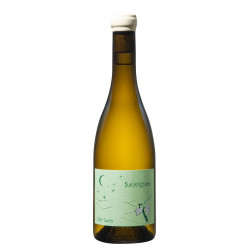
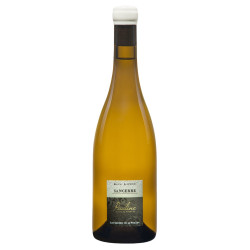
The wine that sums up the estate is its white Sancerre, the winegrower says: a sauvignon from flint and clay-limestone soils, with candied citrus.
“It fully embodies the signature of Éric Louis: watchmaker's precision, great purity and remarkable accuracy, right down to the smallest details of this cuvée.”
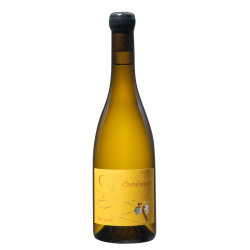
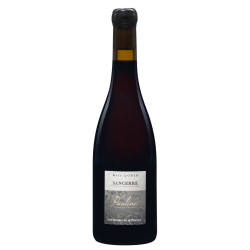
The Pauline cuvée, named after the forebear, counts as a rarity in Sancerre: the sauvignon matures in acacia barrels rather than oak, and its sheet notes acacia blossom, almond and quince.
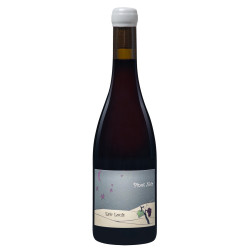
The Guide Hachette gave the 2022 white Sancerre two stars in its 2024 edition; the pinot noir, for its part, gives the house its reds.
Which memory at the estate has marked you most?
Working the soils, and what it changed in the glass
Neither a medal nor a vintage, but a technical decision: working the soils harder to bring them back to life.
“I would say, without hesitating, working the soils.”
The job is slow and costly on a vineyard scattered across sixty-six plots.
“We very quickly noticed a real change in our wines, with more freshness, more depth and above all a more assertive minerality.”
Minerality means those sensations of stone and salt credited to flint-grown sauvignons. The estate reads it as proof that the work done in the vines ends up in the glass.
Why follow Domaine Eric Louis?
A new cellar, foudres, amphorae
Because the estate is changing vessels. A cellar is going up that will house foudres, those very large casks, and amphorae, the earthenware jars in which wine rests without taking on the taste of wood.
“Always driven by the urge to experiment and explore new things, we are currently building a new cellar that will house new vessels, foudres and amphorae in particular.”
The welcome has been running for seventeen years, the estate explains: cellar tours, eco-circuits through the vines, winegrower's snacks, art shows.
A winegrower who has not finished trying things, a son who is learning. The first wines out of the foudres and the amphorae will tell the rest.
Why buy direct from the winegrower? Domaine Eric Louis wines are shipped straight from the estate: estate price with no middleman, full vintage traceability and support for a family estate in Sancerre.
Discover the cuvées of Domaine Eric Louis direct from the estate, at the estate price, on Avenue des Vins.
Frequently asked questions about Domaine Eric Louis
What is massal selection in viticulture?
Replanting from your own vines: the grower takes cuttings from several stocks chosen across his plots, rather than one clone multiplied in a nursery. Each plant differs slightly.
What does ageing in acacia barrels bring to a sauvignon?
Roundness, without a marked taste of wood. Black locust, rare in cooperage, widens the palate and pushes notes of honey and citrus, where oak imposes its toasty aromas.
Does Sancerre exist in red and rosé?
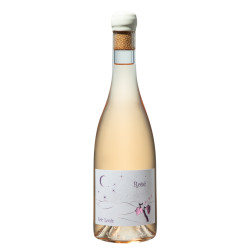
Yes. The 1936 decree recognised only the whites, made from sauvignon; the 1959 decree added the reds and the rosés, all from pinot noir. They remain a minority.
Where is Thauvenay in the Sancerre vineyard?
In the south-east of the appellation, on the left bank of the Loire, a few kilometres south of the town. It is one of the fourteen communes of the AOC, and a fault carries its name.
What are the caillottes in Sancerre?
Hard, stony limestones inherited from the Oxfordian, found mostly around the town. They give fine, fruity sauvignons, pleasant young, where the terres blanches age better.