Delivery from €16,90 per winemaker in Europe (excluding the United Kingdom)

Portraits of winemakers
Domaine de l'Olivette: quality Bandol wines for over 200 years
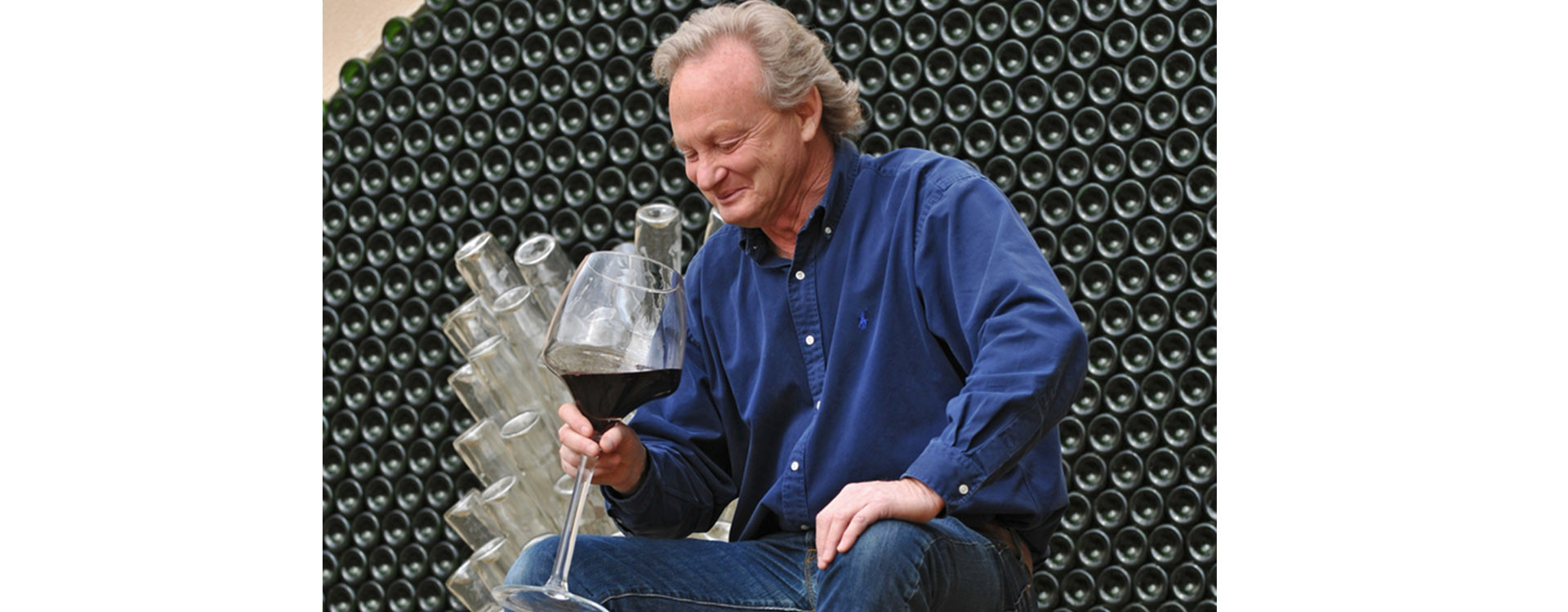
At Domaine de l'Olivette, winemaking is more than just a profession, it's a family legacy. Jean-Luc Dumoutier, who took over the estate that has been in his family for over 200 years, embodies this deep-rooted tradition. With a background as a former business executive, Jean-Luc made a bold career change at the age of 55, diving into what he calls his "second life" as a vigneron. Through a combination of formal education, intensive fieldwork, and a passion for wine, Jean-Luc transitioned from an enlightened wine enthusiast to a professional winemaker.
Available directly from the estate on Avenue des Vins.
What is the story behind the estate?
A family tradition spanning over two centuries
For the past 14 years, Jean-Luc has proudly worn the title of "vigneron in Bandol." He emphasizes the importance of contributing to the family legacy, stating,
Each generation has added its stone to the building. My goal is to focus on producing quality wines.
How are the grapes harvested at the estate?
Hand-harvesting tradition
They are almost all regulars,
Jean-Luc notes, highlighting the importance of experience and consistency in the harvesting process. Spanning 55 hectares of vines, Domaine de l'Olivette is a thriving operation managed by a dedicated team of twelve, with an additional 30 seasonal workers brought in during the harvest season.
At Domaine de l'Olivette, all harvesting is done by hand, a requirement of the Bandol appellation's stringent guidelines. Jean-Luc values this practice, stating that hand-harvesting allows for careful selection of the grapes, enhancing their quality and ensuring that only the best fruit is used in their wines.
How does the estate approach the environment and its terroir?
Commitment to environmental sustainability
The Domaine has held the Haute Valeur Environnementale (HVE) certification for the past four years, a testament to Jean-Luc's strong commitment to environmental sustainability. All the vines are cultivated using sustainable viticulture practices, reflecting a deep respect for the land and its natural resources.
Nestled in an amphitheater-like setting between hills and the Mediterranean Sea, the vineyard enjoys ideal climatic conditions. The vines are shielded from extreme weather, benefit from abundant sunlight, and are refreshed by the morning maritime breezes and the drying effects of the mistral wind.
There's a reason such a prestigious appellation is located here!
exclaims Jean-Luc.
What style of wine do you aim to produce?
"Wines of the grape"
While Bandol is often celebrated for its rosés, it is primarily known for its powerful red wines, with Mourvèdre as the flagship grape variety. Jean-Luc is dedicated to honoring this unique aspect of the Bandol terroir.
We are fortunate to have high-quality grapes with substance, power, and aroma. The idea is to highlight these characteristics and produce 'authentic' wines, even if that term is a bit overused,
he explains.
At Domaine de l'Olivette, the focus is on creating wines that are true to the grape, without the influence of excessive oak aging. The result is powerful wines with notes of red fruits and spices that remain faithful to the identity of the terroir.
Our wines are what I call 'wines of the grape.' I don't seek to add anything to make them more aromatic, more oaky, or more acidic. I prefer to let them express themselves as they are.
As for the rosés, Jean-Luc's wines are structured and spicy, with fruit-forward profiles that are less aromatic than some other Provence rosés, reflecting a more subtle and sophisticated style. Although white wine production in the Bandol AOC is relatively rare, Domaine de l'Olivette offers a range of whites made from local grape varieties such as Clairette, Rolle, and Ugni Blanc.
How does the estate connect wine and culture?
Jazz and contemporary art at Domaine de l'Olivette
Jean-Luc recognizes that his region's appeal extends beyond wine. As a patron of the arts, he regularly invites contemporary artists from various backgrounds to exhibit at the Domaine, showcasing the intersection of wine and culture.
For the past seven years, Jean-Luc and his wife Elisabeth have also hosted "Jazz en Vignes," an annual event where jazz musicians perform at the Domaine. These evenings are accompanied by wine tastings and Provençal delicacies, creating a multisensory experience that celebrates both the region's cultural and culinary heritage.
In addition to the jazz events, the Domaine organizes summer exhibitions of sculptures and paintings under the banner of "Arts en Vignes," further establishing Domaine de l'Olivette as a cultural destination in the heart of Bandol.
Domaine de l'Olivette stands as a beacon of tradition, quality, and cultural richness in the Bandol wine region.
Why buy directly from the winemaker? The wines of Domaine de l'Olivette are shipped straight from the estate: estate price with no middleman, full vintage traceability, and your support for an independent winegrowing family.
Discover the wines of Domaine de l'Olivette directly from the estate, at the estate price, in a short supply chain on Avenue des Vins.
Frequently asked questions about Domaine de l'Olivette
Where is Domaine de l'Olivette located?
The estate sits at the heart of the Bandol appellation, in Provence. Its 55 hectares of vines spread across a natural amphitheatre between the hills and the Mediterranean, a site the Dumoutier family has farmed for more than two centuries.
Which grape defines Bandol red wines?
Mourvèdre leads the way. On this Provençal terroir it yields firm, full reds shaped by red fruit and spice rather than oak. Jean-Luc Dumoutier favours wines true to the grape, with nothing added to push the aromatics.
Does Domaine de l'Olivette also make rosé and white?
Yes. The rosés lean structured and spicy, less showy than many other Provence pinks. White is scarce in Bandol; Jean-Luc crafts a small range from local Clairette, Rolle and Ugni Blanc.
Why are the grapes picked by hand in Bandol?
The appellation rules require it, whatever the size of the vineyard. Hand-picking allows a first sort straight in the rows and protects the quality of the fruit reaching the winery, a practice shared by every grower in the AOC.
How does Domaine de l'Olivette care for the environment?
The vineyard has held the Haute Valeur Environnementale (HVE) certification for four years and works its vines through sustainable viticulture. The climate helps too: the mistral dries the vines while morning sea breezes bring welcome freshness.