Delivery from €16,90 per winemaker in Europe (excluding the United Kingdom)

Unbeatable !
Does Wine Expire? How Long a Bottle Lasts and When It Goes Bad
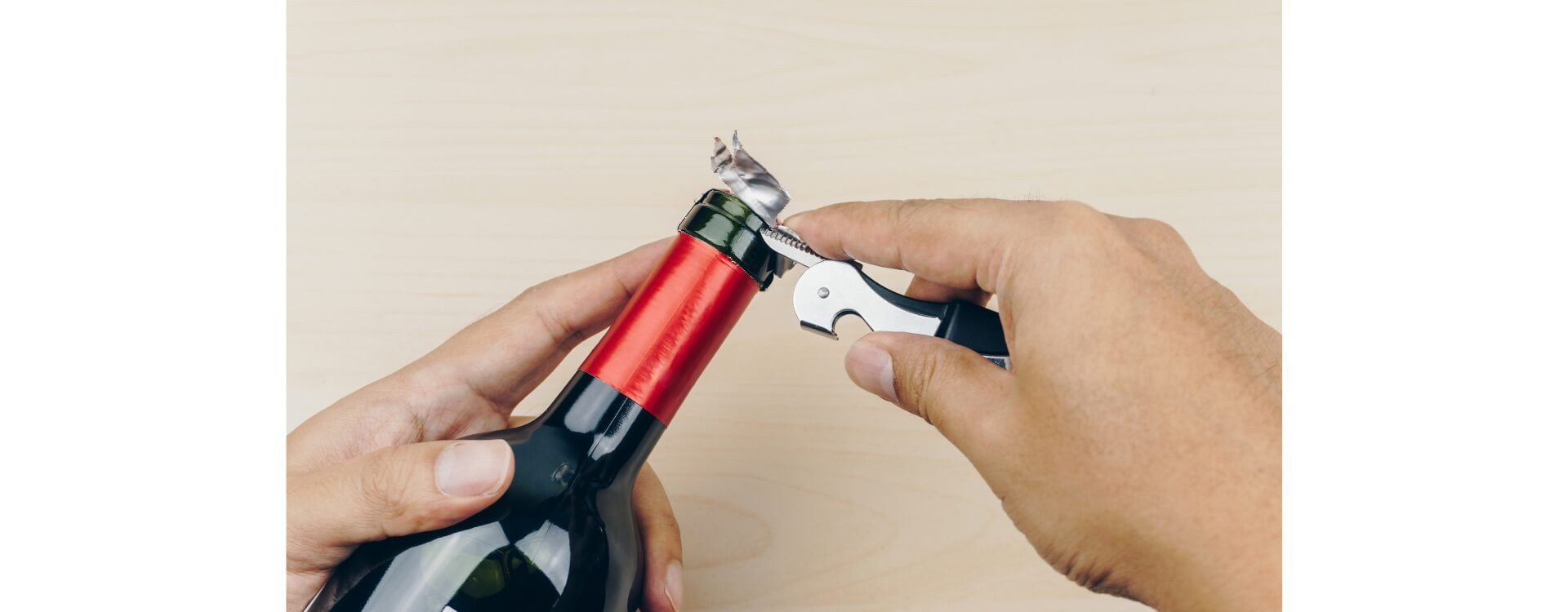
No, wine does not expire the way food does: a bottle carries no best-before date. It still has a lifespan, reaches a peak, then slowly fades. Here is how to tell whether yours is still worth opening.
Does wine have an expiration date?
No, wine carries no mandatory best-before date, unlike perishable food. Above a certain alcohol level, drinks like wine are exempt from printing a durability date. So you will not find a "use by" or "best before" line on a wine label.
That missing date is not a promise of immortality. It simply means wine is not perishable in the food-safety sense: there is no health risk once a date passes, because there is no date. Wine lives at its own pace, and that pace depends on what is in the bottle.
Can a wine get too old?
Yes, a wine can pass its prime and lose what made it interesting. Every bottle follows a curve: it climbs, reaches a peak where it shows its best, then gently declines. That sweet spot is different for every wine.
A tannic, structured red takes years to soften: its peak comes late and lasts long. A bright rosé plays its tune right away and fades fast. Aging a wine built for youth does not improve it, it just wears it out.
How long does an unopened bottle last?
It depends on the style: some wines are best within a year, others wait for decades. Here are rough benchmarks by family, meant as orders of magnitude rather than strict rules.
Rosés: drink them young, within a year or two of the harvest, while their freshness lasts.
Dry whites: often at their best over two to three years, longer for age-worthy whites from major regions.
Light, fruity reds: made for youth, they give their best in the first few years.
Age-worthy reds: tannic and structured, they keep for several years, sometimes decades for the greatest.
Sparkling wines: non-vintage bruts are best fairly soon, while vintage cuvées handle longer cellaring.
Sweet wines: the longevity champions, able to cross several decades thanks to their sugar richness.
These benchmarks apply to a sealed, well-stored bottle. Once the wine is poured, the clock changes entirely and is measured in hours or days.
Our cellar-worthy reds: structured bottles that reward a little patience, shipped straight from the grower at estate prices. See the selection →
How can you tell a wine is past its best?
A tired wine shows in its color, nose and palate, before you even start wondering. Oxidation is usually the giveaway: over the years, long contact with air slowly wears down the wine's aromas and color.
The color loses its glow. A red turns brick-like, with orange tints at the rim. A white deepens toward heavy gold, sometimes amber.
The nose drifts toward bruised apple, walnut, notes of rancio. Fresh fruit has given way to something more cooked.
The palate goes flat: the fruit fades, the liveliness is gone, and the wine feels dull. Taken to the extreme, this turns into a maderized taste, close to cooked prune or caramel.
Do not confuse a simply aged wine with a corked one. A corked wine suffers from a cork fault, with a smell of musty cork or wet cardboard, and it has nothing to do with age.
Is an oxidized wine bad for your health?
No, an oxidized or maderized wine is not bad for your health: it is simply less pleasant to drink. Tasting it costs you nothing but disappointment. Wine does not spoil to the point of making you ill.
A corked wine is no danger either: the fault ruins the taste, not your health. Either way the verdict is the same: the wine lets you down, and a disappointing bottle is not worth pushing through.
What can you do with a bottle that is too old?
A past-it bottle often stays useful in the kitchen, even when it no longer shines in the glass. A slightly tired wine with no clear fault will deglaze a pan, simmer into a sauce or flavor a slow-cooked dish, where its blunted aromas go unnoticed.
A clearly oxidized wine can also become homemade vinegar, provided you add a vinegar mother: on its own, it will not turn into a condiment. A corked wine, however, goes down the drain: its fault survives cooking and would spoil the dish.
To slow that decline, careful storage is enough: a steady temperature around 54°F (12°C), away from light and with little vibration.
Here is the takeaway: wine does not expire, it evolves. It has no expiration date, but it does have a lifespan, specific to each style, running from a single year for a rosé to several decades for a great sweet wine.
To know whether a bottle is still good, trust the color, the nose and the palate rather than the calendar. An oxidized wine disappoints without putting you at risk, and careful storage remains the best way to drink every bottle at the right moment.
Looking for a bottle to open right now? Our ready-to-drink wines are chosen straight from the growers, at estate prices. See the selection →
Frequently asked questions about wine and aging
Does wine expire like food?
No, wine does not expire like food: it carries no use-by date. It evolves over time, sometimes gaining complexity, then eventually declines, without ever becoming a health risk.
Can you drink wine that is too old?
Yes, drinking an old wine poses no health risk. A wine past its peak has mostly lost flavor: faded aromas, a flat palate. You can taste it safely; the only thing at stake is the pleasure.
Does all wine improve with age?
No, most wines are made to be drunk young and gain nothing from waiting. Only age-worthy wines, such as certain structured reds or sweet wines, truly improve over the years.
How long does a bottle of rosé keep?
A rosé usually keeps for the year after its harvest, sometimes two. It is a wine of freshness: beyond that, it loses its fruit and glow, harmless but dull. Drink it young.
How can you tell if a wine is still good before opening it?
Before opening, a few outside signs help: a very low fill level in an old bottle, a cork that has seeped, or an unusually evolved color seen through the glass all call for caution. The final verdict comes at tasting.