Delivery from €16,90 per winemaker in Europe (excluding the United Kingdom)

Let's eat !
Coq au vin: which wine to choose for the sauce?
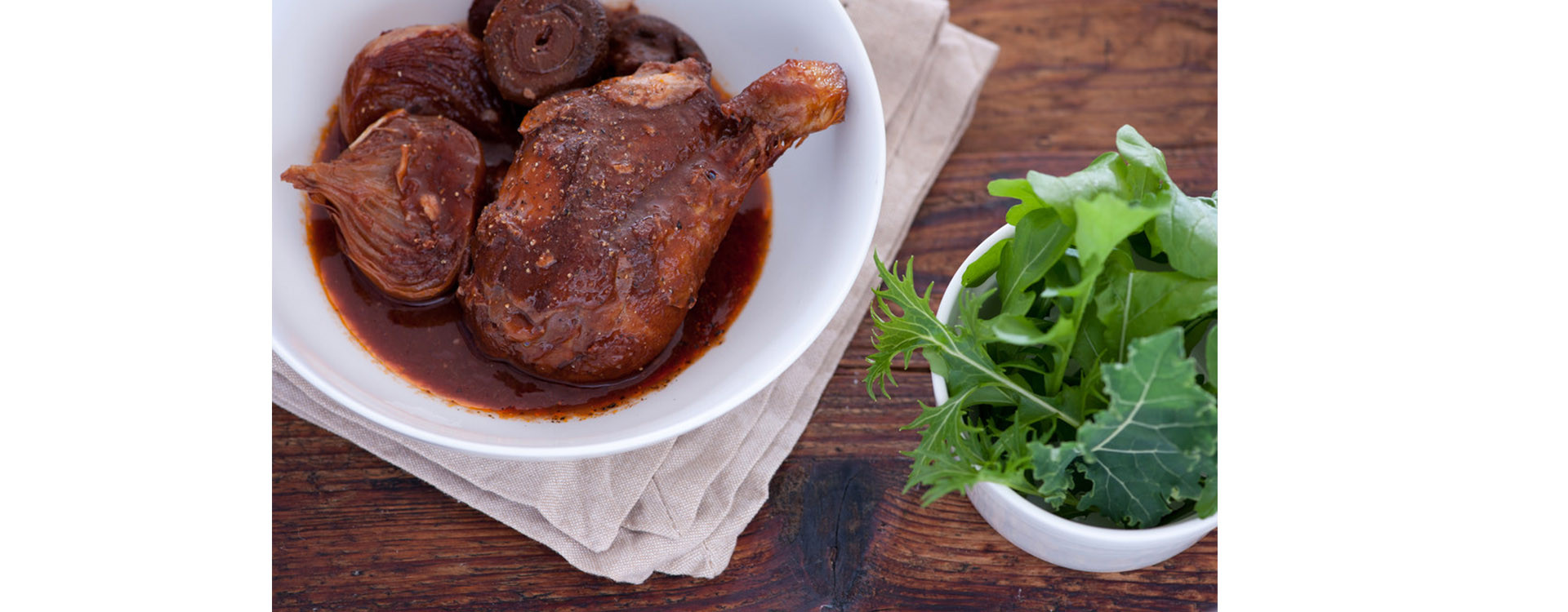
THE SECRET TO A GOOD COQ AU VIN LIES IN ITS SAUCE
Where does the coq au vin recipe come from?
It originates mainly from an old tale turned legend, later rooted in regional know-how within French cuisine. According to a legendary myth, it is said that Vercingetorix once sent Julius Caesar a Gallic rooster as a challenge to the Romans. Caesar, in turn, humiliated the Gallic leader by inviting him to a dinner where a rooster, the symbol of Gallic warriors’ pride, was slowly braised in wine, during a Roman cena (evening meal). The culinary reality is more down to earth: coq au vin belongs to the tradition of rustic stews, where firm meat is tenderized through slow cooking, with wine serving as seasoning, preservative, and tenderizer. Today, coq au vin stands as one of the emblematic dishes of French gastronomy.
WHAT WINE SHOULD YOU USE FOR COQ AU VIN?
So, which wine should you choose to cook this delicious recipe, and which wine should you select to enjoy with it?
"You can't make a good sauce with a bad wine!"
A common belief is that when cooking a wine-based sauce, the quality of the wine doesn't matter. Some even go as far as using cheap, low-quality wine. This reflex is understandable, as pouring an entire bottle of wine into a dish can be costly. However, be cautious of this practice. As the journalist Olivier Bompas aptly put it in his book Les Accords Mets et Vins, "you can't make a good sauce with a bad wine!"
This is especially true with coq au vin, as the sauce is the key element of this dish. While cooking removes the alcohol, it retains all the aromas. Therefore, be sure to choose a wine with a good quality-to-price ratio before making your sauce. Also, ensure that the wine is not corked, as this could ruin your sauce. The classic recipe calls for red wine (though there are variations using white wine and yellow wine). Opt for a smooth red wine with silky tannins and spicy notes, such as a robust Beaujolais or a southern wine from Provence or Languedoc.
And During the Meal?
Once simmered and ready to serve, your coq au vin will be even better with a good glass of red wine. You can also play on the acidic flavor of the sauce and vegetables by choosing a tannic wine from the Rhône Valley, such as a Vacqueyras, a wine from Languedoc with the Faugères appellation, or a wine from the Southwest with the Gaillac appellation. If you prefer a lighter wine, consider a Saint-Amour (Beaujolais) or a Pommard (Burgundy), which will pair perfectly with the tender texture of the coq. In either case, it’s important to choose a wine that is fresh enough to balance the slightly dry nature of the poultry.
Our Selection Wines and Coq au vin : the right pairing, direct from the winemaker. See the wines →
What are the best food and wine pairings with coq au vin?
Fresh, spicy red wines with smooth tannins are the most versatile. Here are our best tips depending on your version of coq au vin:
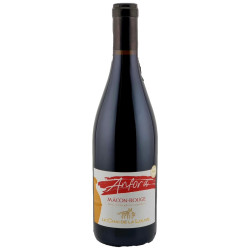
- Regional and indulgent pairing: red wines from the Beaujolais vineyards (AOC Saint-Amour for finesse, or more full-bodied crus such as AOC Moulin-à-Vent if the sauce is reduced). Their aromas of crisp red fruits, spices, and silky tannins embrace the dish without weighing it down.
- Southern and spicy pairing: a Languedoc wine with notes of garrigue, mild pepper, and ripe tannins. AOC Faugères works wonderfully when the sauce includes bacon, button mushrooms, and glazed pearl onions.
- Coq au vin with a structured red: an AOC Vacqueyras brings a solid tannic backbone and lovely notes of black fruit and peppercorns, perfect if you serve the dish with a rich sauce.
- Delicate pairing: a Burgundy Pinot Noir such as AOC Pommard or AOC Volnay works wonders when looking for lightness and aromatic precision. Best if the garnish remains simple (steamed potatoes) and the sauce is fluid.
- Coq au vin in the style of “poularde with morels”: choose a Vin Jaune from Jura, with walnut and sweet spice notes, for this original variation.
Bonus: our coq au vin recipe
Ingredients (serves 6)
- 1 rooster cut into pieces (or alternatively, a free-range chicken cut into portions)
- 75 cl red wine (the same style as the one served at the table)
- 150 g bacon lardons, 250 g button mushrooms, 18, 24 small onions
- 1 bouquet garni (thyme, bay leaf, parsley)
- 2 garlic cloves
- Whole peppercorns
- 40 cl veal stock (or broth)
- 40 g butter
- 40 g flour (to make a beurre manié)
- Neutral oil
- Salt
- Chopped parsley
Preparation
- Short marinade (optional but effective): 2, 4 hours in the fridge with red wine, bouquet garni and a few peppercorns. Drain the pieces and pat dry with paper towels.
- Prepare the garnish: in a Dutch oven, brown the bacon and small onions; set aside. Sauté the mushrooms over high heat, set aside.
- Sear the rooster: brown the pieces in a butter/oil mixture. Deglaze with cognac and flambé if desired, then add a glass of wine. Add crushed garlic, aromatics, and the rest of the wine.
- Simmer: top up with veal stock just to cover. Cook at a gentle simmer for 1 hr 15 to 1 hr 45 depending on the bird’s age, until the meat is tender.
- Thicken and glaze: return bacon and onions, then whisk in the beurre manié to obtain a smooth, glossy sauce. Adjust seasoning. Add mushrooms at the end of cooking to preserve their texture.
- Serve: sprinkle with parsley. Offer with sautéed or steamed potatoes. Pour the same style of red wine in the glasses for a perfect echo.
Enjoy your meal!
Our Selection Wines and Coq au vin : wines from independent winemakers, at the estate price. See the selection →
FAQ - Wine and coq au vin
Should coq au vin be cooked with red or white wine?
The original recipe calls for red wine, which gives the sauce its color and depth. Some regional versions use white wine for a lighter result, or a Vin Jaune from the Jura for a morel-based variation. The choice mainly depends on the style you want in the final dish.
Can you cook coq au vin with a cheap bottle of wine?
It's best avoided, since cooking concentrates whatever is in the bottle, flaws included. A wine that isn't corked, with moderate tannins and good balance, gives a far more consistent sauce than a bargain bottle bought just for the pot.
Which grape variety suits a Burgundy-style coq au vin?
The Burgundy version is traditionally built around Pinot Noir, prized for its fine tannins and measured acidity. It avoids adding sharp bitterness during the long simmer and pairs naturally with mushrooms and bacon lardons.
How long should coq au vin simmer for a properly thickened sauce?
Plan on one hour and fifteen minutes to one hour and forty-five minutes at a gentle simmer, depending on the bird's age. The meat should pull away easily, and the sauce should coat the back of a spoon once the beurre manié is whisked in.
What temperature should the red wine served with coq au vin be?
Serve this style of red around 15 to 17°C, warm enough to soften the tannins without losing the spiced aromas. Too warm and the alcohol dominates; too cold and the wine feels closed against the richness of the dish.