Delivery from €16,90 per winemaker in Europe (excluding the United Kingdom)


AOC Faugères
The vineyards of Languedoc-Roussillon, one of the largest in the world, stretch over 240,000 hectares between Nîmes and Leucate. At the heart of this sun-drenched wine region, AOC Faugères stands out for its 1,600 hectares of schistose soils north of Béziers. This unique terroir, combined with the Mediterranean climate, favors the cultivation of emblematic grape varieties such as carignan, cinsault, grenache, mourvèdre and syrah. The result is powerful, round red wines with notes of coffee, red fruit and vanilla, balanced, floral rosés with peach aromas, and smooth, rich whites with apricot flavors. Renowned for the quality and diversity of its wines, AOC Faugères appeals to wine lovers in search of authenticity and terroir, offering a unique taste experience in the Languedoc-Roussillon region.
Filtrer


- Bio
- Without So2


- Bio
- Without So2


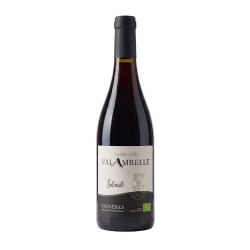


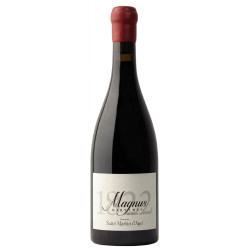

Hillside Vineyards in a Mediterranean Climate
In Faugères, vines grow 100 to 350 meters (about 330 to 1,150 feet) up, on sometimes steep hills that face mainly south and southeast. Backed against the last ridges of the Massif Central, the vineyard is sheltered from north winds. Rain follows a Mediterranean pattern: under 700 mm (about 28 inches) a year, mostly in fall and spring.
History of the AOC Faugères
Nestled in the heart of Languedoc, on the steep slopes of the foothills of the Cévennes, the Faugères appellation is a true viticultural gem of Southern France. Recognized as an AOC in 1982, its winemaking tradition is much older. Spanning seven communes, this appellation takes its name from the town of Faugères, the central hub of this privileged vineyard.
Climate and Terroir of the AOC Faugères
Climate: Faugères benefits from a typically Mediterranean climate, characterized by hot, dry summers and mild winters.
Soils: The terroir is dominated by schist soils, providing exceptional drainage for the vines and imparting a specific minerality to the wines.
Key Grape Varieties of the AOC Faugères
The AOC Faugères offers red, white, and rosé wines made from a blend of grape varieties, with the main ones being:
- Red and Rosé: Carignan, Cinsault, Grenache, Syrah, Mourvèdre
- White: Roussanne, Marsanne, Grenache Blanc, Vermentino (Rolle)
Style of AOC Faugères Wines
Red Wine:
- Appearance: Deep red color, ranging from ruby to purple.
- Nose: Bouquet of ripe red fruits, spices, leather, with a characteristic smoky touch.
- Palate: AOC Faugères red wines are full-bodied and structured, with a good mouthfeel, always retaining finesse.
Rosé Wine:
- Appearance: Light salmon-pink color.
- Nose: Hints of small red fruits, peach, flowers, and citrus.
- Palate: Freshness and roundness blend in the mouth, offering a nice balance.
White Wine:
- Appearance: Pale yellow color with golden reflections.
- Nose: Floral notes (acacia, linden) and fruity notes (apricot, vineyard peach), with a touch of minerality.
- Palate: The mouth is rich and aromatic, revealing a creamy finish.
Best Food Pairings with AOC Faugères Wines
Here are some tips and recipe ideas to create the best food and wine pairings with a bottle of wine from a domaine or château in AOC Faugères:
Red Wine:
- Kefta skewers
- Lamb with cumin
- Grilled suckling pig
Rosé Wine:
- Crab salad
- Marinated peppers with garlic
White Wine:
- Tielles sétoises
- Bourride
- Stuffed calamari
Visean Schist Under Every Plot
The Faugères area stretches 10 kilometers (6 miles) from east to west and 4 kilometers (2.5 miles) from north to south, 25 kilometers (15 miles) north of Béziers. It takes in seven communes in the Hérault: Autignac, Cabrerolles, Caussiniojouls, Faugères, Fos, Laurens and Roquessels. To the north, the Pic de la Coquillade rises to 696 meters (2,283 feet) in Cabrerolles.
The delimited plots lie only on Upper Visean schist, sandy and flaky, gray in color, sometimes yellow or ochre where the rock has weathered. Fairly soft, the rock breaks up quickly when the soil is worked.
Only well-exposed plots qualify, and north-facing slopes are left out. The schist gives back to the vines at night the heat it stored during the day.
Faugères reds and rosés have been AOC wines since the decree of May 5, 1982. Whites joined the appellation in 2005, according to the growers’ association, and they remain the smallest of the three colors in volume.
Colors, Capitelles, Fine Faugères: Answers on AOC Faugères
Which color leads Faugères production?
Red leads Faugères production, at 79% of volume according to the press kit released by the appellation’s growers’ association in January 2026. Rosé accounts for 16% and white for 5%, out of about 45,000 hectoliters (some 1.19 million gallons) a year.
What are the capitelles of the Faugères vineyard?
The capitelles of Faugères are dry-stone structures topped with a dome, standing among the vines and the garrigue, the local scrubland. The appellation counts them, along with countless low stone walls, among the features of its landscape. They are built as corbelled vaults: each course of stones juts slightly past the one below until the roof closes.
What is Fine Faugères?
Fine Faugères is a brandy distilled from wine, protected by its own geographical indication and separate from AOC Faugères. According to the appellation’s growers’ association, it dates back to the 18th century, was recognized in 1948 and set aside in the 1980s, before growers revived it in 2000.
Where can you buy AOC Faugères wine direct from the winemaker?
You can buy AOC Faugères wine direct from the winemaker on Avenue des Vins. Every wine’s page lists its grape varieties.
See also: AOC Saint-Chinian Wine - AOC Languedoc - AOC Minervois Wine