Delivery from €16,90 per winemaker in Europe (excluding the United Kingdom)


AOC Moulin à Vent
The Beaujolais wine region lies in east-central France. Famous for Beaujolais Nouveau, this region just south of the Mâconnais is also home to many crus, including AOC Moulin-à-Vent. Its windmill is the emblem of what is known as the oldest Beaujolais cru, with vineyards in the villages of Romanèche-Thorins and Chénas. Granite soils there give full-bodied red wines based on Gamay, which can be cellared for 3 to 10 years.
Filtrer


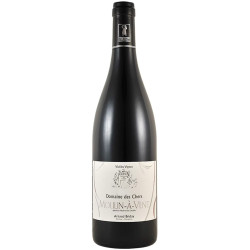


Gamay Built to Age: A Cru That Rewards Patience
In the Moulin-à-Vent area, Gamay makes wines you can enjoy young, but they gain finesse and power after several years in the bottle. As early as 1816, Jullien’s survey of the known vineyards of his day, the “Topographie de tous les vignobles connus,” ranked them “first class” and said they kept for more than ten years.
History of the Moulin-à-Vent Appellation
Nestled in the heart of Beaujolais, the Moulin-à-Vent appellation is often considered the most prestigious of the region's crus. It takes its name from the old windmill that stands in the commune of Romanèche-Thorins. Historically, Moulin-à-Vent wines were so highly prized that, according to some sources, they were sometimes sold as Burgundy wines in the 19th century.
Climate and Terroir of the Moulin-à-Vent Appellation
- Climate: The climate is semi-continental, characterized by hot summers and cold winters. Mediterranean and Atlantic influences bring variability that can be beneficial for the vines.
- Soils: The terroir is unique with its soil rich in manganese and pink granite, which gives the wine a distinct tannic structure and an impressive aging potential compared to other Beaujolais wines.
Gamay: Emblematic Red Grape Variety of the Moulin-à-Vent AOC
Gamay is undoubtedly the emblematic grape variety of the Moulin-à-Vent AOC and more generally of Beaujolais. In the Moulin-à-Vent AOC, Gamay expresses itself more than ever, giving wines of remarkable depth and complexity.
Style of Moulin-à-Vent AOC Wine
- Appearance: Deep color, ranging from garnet red to dark ruby.
- Nose: The aromas are rich, combining red and black fruits (cherry, blackberry), sometimes accompanied by floral (violet) and spicy notes. As they age, Moulin-à-Vent AOC red wines develop complex notes of truffles, undergrowth, and musk.
- Palate: Full-bodied and structured, the palate reveals well-present tannins that soften with age, giving way to great finesse. Although made from Gamay, Moulin-à-Vent AOC red wine is often compared to Burgundy pinot noirs due to its complexity and aging potential.
- Serving Temperature: 15°-17°C.
- Aging Potential: Moulin-à-Vent AOC red wine is one of the few wines from Beaujolais that benefits from aging, evolving beautifully over 10 years (or more depending on the estate and vintage).
Best Food Pairings with Moulin-à-Vent Wine
Here are some recommendations to achieve the best food and wine pairings with a bottle of red wine from a domaine or château in the Moulin-à-Vent AOC:
- Roast quails
- Black pudding and mashed potatoes
- Beaujolais-style saucisson en brioche
- Coq au vin
- Cheeses (munster, époisses, camembert, chaource)
Pink Granite Sand and Black Ore Under the Vines
The Moulin-à-Vent area spans two villages in two départements: Chénas, in the Rhône, and Romanèche-Thorins, in Saône-et-Loire. Vines climb from 190 to 420 meters (about 620 to 1,380 feet) on the eastern flank of the Beaujolais hills, with sometimes steep slopes above the village of Chénas, then gentler slopes and terraces toward Romanèche-Thorins.
Across the Moulin-à-Vent appellation, 80% of the soils formed on crumbly pink sand weathered from granite, known locally as “gore” or “grès.” In the south and along the eastern edge, they lie instead on sandy, silty colluvium mixed with stones and gravel.
Generally well drained, these soils are laced with iron and manganese oxides from veins that cut through the rock. Fragments of the ore can still be seen scattered through the vineyard soil.
France’s largest manganese deposit was found in Romanèche-Thorins around 1750 and mined until the 19th century. The ore, a very heavy black rock, was called “romanéchite.” Local tradition credits it with the distinctive character of the cru’s wines.
Old Name, Windmill, Release Date: Your Moulin-à-Vent Questions
What was Moulin-à-Vent called before 1936?
Before 1936, Moulin-à-Vent was also sold as “Thorins,” the name of one of its vineyard sites. On April 17, 1924, a court in Mâcon set the boundaries for wines called “Thorins or Moulin-à-Vent.” The decree of September 11, 1936, created the AOC, and the Thorins name was later dropped to avoid confusion.
When can a Moulin-à-Vent go on sale?
A Moulin-à-Vent can be sold to consumers from February 1 of the year after its harvest. It must first be aged until at least January 15. A wine from the 2026 harvest therefore cannot go on sale before February 1, 2027.
How old is the Moulin-à-Vent windmill?
The windmill that gave Moulin-à-Vent its name was built in 1550. Standing on the hill of Romanèche-Thorins, it ground grain until the mid-19th century. Today it is listed as a historic monument and can be seen from far across the vineyards.
Where can you buy Moulin-à-Vent direct from the winemaker?
You can buy Moulin-à-Vent direct from the winemaker on Avenue des Vins. Each wine’s page lists the vintage and the bottle size.
See also: AOC Morgon - AOC Fleurie - AOC Brouilly