Delivery from €16,90 per winemaker in Europe (excluding the United Kingdom)

Unbeatable !
How to choose the right wine glass?
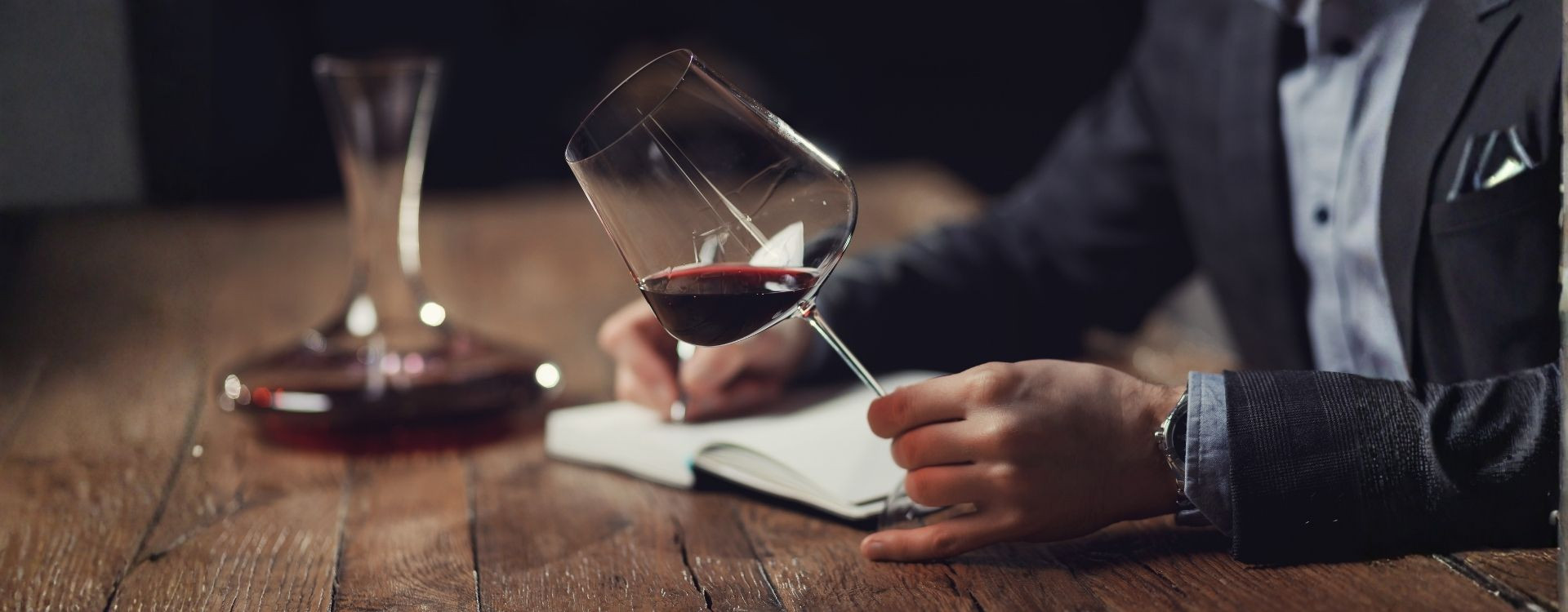
Here are some examples of glasses to help you understand better. Let's start with a quick anatomy lesson. A wine glass has three main parts: the base (foot), the stem, and the bowl (or goblet), which is the container. These three "parts" of the glass determine how a wine evolves: aroma development, contact with air, etc. That’s why the shape of the glass is important.
Tulip Glass: The Ideal Compromise
The reference wine glass is the “tulip” glass, named for its shape resembling that of a tulip flower. This shape is popular for a reason: it offers all the necessary advantages for proper wine tasting. First, its bowl size: 35 cl, accommodating about 12 cl of wine. Since wine needs to come into contact with air to develop its aromas, this margin is more than sufficient. The slightly flared lower part of the bowl allows the wine to aerate and develop its aromas, while the more tapered upper part channels the scents. Try pouring the same wine in equal quantities into a tulip glass and a stemless glass (like a mustard glass) and compare the aromas. The tulip glass is well-suited for young wines, especially Bordeaux wines, but also for dry white wines, rosés, and red wines in general.
Burgundy Glass: A Classic
Another classic is the Burgundy glass. With its long stem and a bowl that is more rounded than that of the tulip glass, the Burgundy glass is ideal for swirling the wine, a gesture that helps to open its aromas. Its bowl is twice the size of the tulip glass and can hold an entire bottle of wine (75 cl). However, it is best to fill only one-third of the bowl for optimal wine aeration. It is mainly used for young wines that need to breathe a bit before tasting. It is of course used for Burgundy wines, but also for other young wines from various wine regions in France.
Champagne Glass: Between the Coupe and the Flute
When it comes to Champagne or other sparkling wines, the choice seems straightforward: a flute or a coupe. But each has its drawbacks. The very wide bowl of the coupe can accelerate the loss of bubbles, while the straight flute may limit the wine’s aeration. The ideal is a glass that merges features of both the flute and the tulip glass (see visual above), which will release the wine’s aromas while retaining its bubbles.
Did You Know?
For most of us, serving wine in a stemmed glass seems obvious. But do you know why? The stem allows you to hold the glass at a distance so your hand doesn’t warm the liquid inside. However, if you’re tasting a red wine served too cold for your taste, you can hold the bowl to raise its temperature slightly. According to Enrico Bernardo, named the best sommelier in the world in 2004, stemless wine glasses have some advantages: “The lack of a stem creates a shorter elbow movement. This changes how the wine enters the mouth, first touching the sides of the tongue. This way, you experience more of the wine’s roundness and less of the tannins. Additionally, the conical shape of the bottom of the glass is meant to concentrate the wine and slow down oxidation.”
Our Favourites Wines Selection : A fine glass deserves a fine wine: our wines of the moment, direct from the winemaker at estate prices. See the selection →
FAQ - Choosing a wine glass
Which glass should you choose for red wine?
The tulip glass suits most reds, especially young wines. For a Burgundy red, choose a glass with a rounded bowl, ideal for swirling the wine and opening up its aromas.
Which glass is best for white wine?
The tulip glass is perfectly suited to dry white wines and rosés. Its flared lower part aerates the wine, while the tapered top channels the scents towards the nose.
Why serve wine in a stemmed glass?
The foot and stem keep your hand away from the bowl, so it does not warm the wine. If a red feels too cold, hold the bowl instead to raise its temperature by a few degrees.
Which glass should you choose for champagne?
Avoid the coupe, which lets the bubbles escape, and the straight flute, which limits aeration. The ideal is a glass between the flute and the tulip, releasing the aromas while keeping the sparkle.
Should you fill a wine glass completely?
No. A 35 cl tulip glass is served with about 12 cl of wine, and you fill only a third of a Burgundy glass. This margin lets the wine meet the air and develop its aromas.


