Delivery from €16,90 per winemaker in Europe (excluding the United Kingdom)

Unbeatable !
What do you need to know about Savoie wines?
Exploring Savoie Wines: A Rich Tradition and Flavorful Pairings
It is often during the autumn season that people start pondering the wines of the AOC Savoie. Frequently associated with Savoyard dishes that complement the cold season, such as fondue, raclette, and tartiflette, these wines actually offer a much broader range of possibilities and a long history.
Indeed, viticulture in Savoie dates back to at least the time of the Gauls! Roman writers Pliny the Elder and Columella praised its merits in their writings. The vine was firmly established in Savoie with the conquest of Gaul, flourished during the Middle Ages with the help of monks, and today offers a richness worth discovering.
Characteristics of Savoie Wines
Savoie wines stand out for their great diversity of climates and soils, as well as a long list of cultivated grape varieties.
Soils and Climate
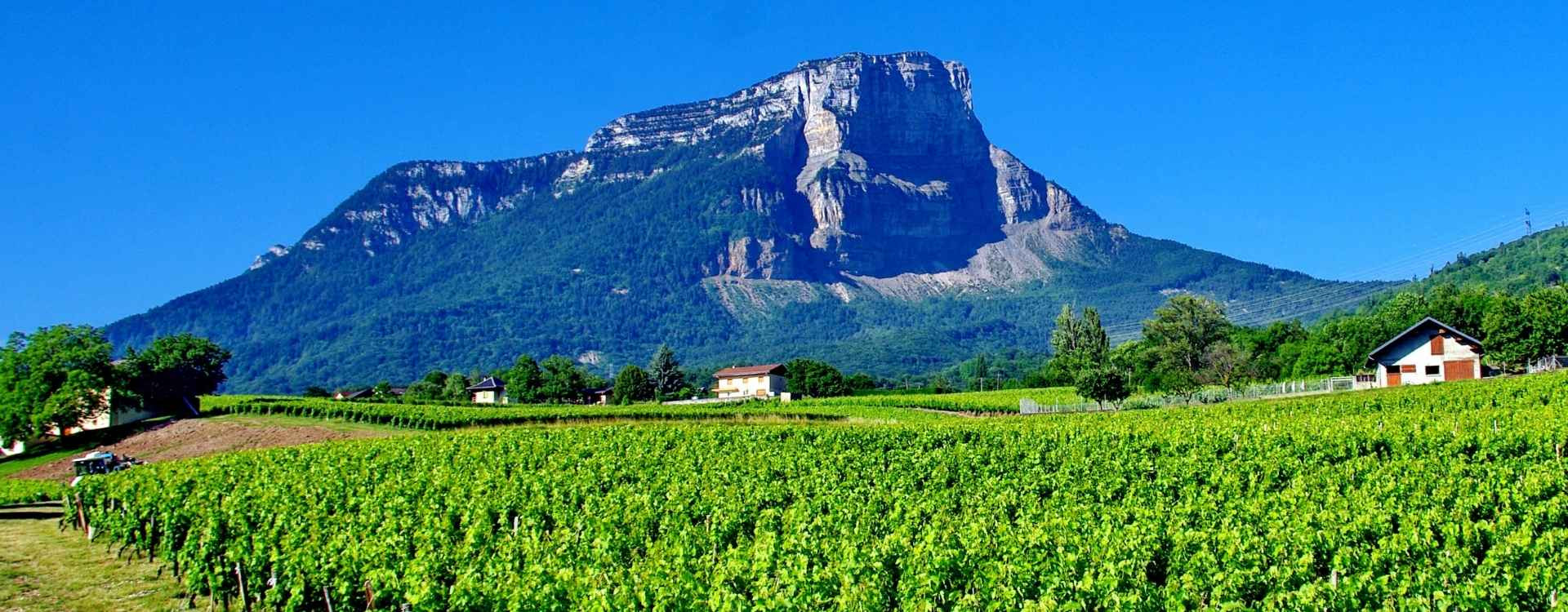
The Savoie vineyards are located on the lower slopes of the Alps. These slopes, formed by the collision of the Eurasian and African tectonic plates, reveal a multitude of different soils and geologies.
The relief created by these slopes also provides various altitude levels, valleys, and ridges. The vineyards within the AOC can be situated at varying altitudes (benefiting from cooler or warmer temperatures) and even nestled within valleys (experiencing interesting microclimates).
Thus, the terroirs are naturally very diverse, contributing to the richness of the AOC Savoie appellation.
Grape Varieties
Reflecting this terroir diversity, the grape varieties thriving in Savoie are numerous. Local varieties include Mondeuse, Jacquère, Altesse, Bergeron, and Chasselas. Additionally, imported varieties from neighboring regions include Gamay from Beaujolais, Poulsard from Jura, as well as Pinot Noir and Chardonnay.
Sensory Markers
There is not just one type of Savoie wine but several. Generally, red wines made from Mondeuse are robust and full of character. When well-crafted, these wines offer aromas of peony, raspberry pepper, and blackcurrant. Young Mondeuse wines are robust, while aged ones become smooth and velvety. Other Savoie wines, such as those made from Gamay or Pinot Noir, produce fresh and light wines with red fruit notes.
Savoie is more renowned for its white wines, including:
- Jacquère: Known for its fresh and light wines.
- Altesse (also known as Roussette de Savoie): Produces fine, dry, and aromatic wines.
- Bergeron (the Savoyard name for Roussanne, a Rhône grape variety): Offers white wines with floral aromas of honeysuckle and iris.
- Chasselas: Originating from the shores of Lake Geneva, known for its subtle aromatic profile, sometimes hinting at pear and peach.
Recommended Food Pairings with Savoie Wines
With Savoie White Wines
For Savoie wines, nothing beats a perfect local pairing. The acidity imparted by the altitude of their vineyards and their aromatic profile makes them ideal for dishes featuring warm cheese. Savoie white wines pair wonderfully with raclette, fondue, and tartiflette. They also complement fish dishes, so why not try a crayfish gratin or a trout with blue cheese? Guaranteed delight.
They are also excellent as an aperitif.
Our Savoie Selection : Our Savoie wines shipped direct from the growers, at estate prices. See the selection →
With Savoie Red Wines
Savoie red wines pair perfectly with meats, game, and Savoyard charcuterie. Aged Gamay and Mondeuse wines can also pair well with Savoie cheeses, whether melted or not.
An Appellation with Many Faces: Geographical Denominations
Since 1973, Savoie wines have been protected by an Appellation d’Origine Contrôlée (AOC). This AOC is unique in France, as it includes no fewer than 16 complementary geographical denominations that specify the exact provenance of the wines. Among them are Combe de Savoie, Chignin, Apremont, Abymes, Cruet, and Jongieux.
These geographical designations highlight the diversity of Savoie’s winegrowing terroirs. Each area has its own microclimate, influenced by altitude, sun exposure, and the proximity of mountain ranges such as the Bauges Massif. This geological complexity, combined with the mountain climate, enhances the expressiveness of the wines, whether white, red, or rosé.
Roussette de Savoie and Mondeuse Blanche: Two Savoyard Gems
Among the region’s most emblematic crus, Roussette de Savoie stands out, crafted from the Altesse grape variety. This dry white wine offers freshness, delicate floral notes, and a marked acidity, making it ideal to pair with lake fish or aged goat cheeses. It is one of the rare French AOCs designated by both grape variety and geographical origin.
Another local curiosity is Mondeuse Blanche, long forgotten and recently brought back into the spotlight. Less well known than its cousin Mondeuse Noire (a typical red grape of Savoie), it is used to add liveliness and structure to certain blends.
Characterful Red Wines
Savoie red wines are often underestimated, yet they are rich in personality. In addition to Mondeuse, the region produces red Gamay and Pinot Noir, which give light, fruity cuvées with soft tannins, a bright red color, and notes of red fruits, sometimes even black fruits such as blackberry.
Some more structured cuvées, aged in oak barrels but still made from Savoie’s red grape varieties, develop a bold character and subtle aromas of undergrowth and spices, perfect for pairing with hearty dishes such as game or red meat. Grape maturity and respect for winemaking methods are key factors here.
Sparkling Wines of Savoie: Fresh and Lively
Often overshadowed by still whites, Savoie sparkling wines are well worth discovering. The Crémant de Savoie AOP, created in 2015, brings together cuvées made according to the traditional method, with alcoholic fermentation and secondary fermentation in the bottle. Sparkling wines from Savoie are mainly crafted from Chardonnay, Jacquère, or Altesse, for an even more distinctive expression of the Savoyard terroir.
A Controlled and Committed Production
Winegrowers and cooperative cellars in the region are committed to respecting strict production rules. These include careful selection of authorized grape varieties, monitoring the harvest period, sorting the grapes, and yield control to ensure aromatic richness and remarkable quality. The recognition of the AOP “Vins de Savoie” is a testament to this high standard. Although one of the smallest vineyards in France in terms of surface area, it remains exemplary in terms of traceability, innovation, and adherence to specifications.
Savoie Rosé Wines: Light and Delightful
Less famous than the whites, Savoie rosés also deserve a place at the table. Mainly made from Mondeuse, Gamay, or Pinot Noir, these light and fruity rosés display a vivid pink hue and sweet notes reminiscent of strawberry, cherry, fresh red grapes, or tangy morello cherries. Refreshing and convivial, they pair beautifully with summer barbecues, composed salads, or mountain-style appetizers.
From light wines to more complex cuvées, from red fruit to subtle aromas, Savoie wines invite you to discover a unique winemaking culture. Explore our selection of Savoie wines on Avenue des Vins and enjoy direct delivery from Savoyard estates!
Our Savoie Selection : Our Savoie wines shipped direct from the growers, at estate prices. See the selection →
FAQ - Savoie wines
What are the main grape varieties of Savoie wines?
Savoie mostly grows local varieties: jacquère and altesse for the whites, mondeuse for the reds, along with bergeron and chasselas. You will also find gamay, pinot noir and chardonnay, brought in from neighbouring regions. This range mirrors the appellation's patchwork of terroirs.
What is Savoie mondeuse?
Mondeuse is Savoie's signature red grape. It produces structured wines with aromas of peony, pepper, raspberry and blackcurrant. Young, they are robust; after a few years of ageing they turn smooth and velvety. There is also a rarer mondeuse blanche, used to add liveliness to blends.
Which Savoie wine goes with raclette or fondue?
Go for a Savoie white, such as one made from jacquère. Its acidity, tied to the altitude of the vineyards, cuts through the richness of melted cheese and pairs beautifully with raclette, fondue and tartiflette. It is the classic regional match.
What is the difference between Roussette de Savoie and Altesse?
Altesse is the name of the grape; Roussette de Savoie is the appellation for the dry white wines made from it. It is one of the few French AOCs named after both the grape and its geographical origin. Expect freshness, delicate floral notes and a firm acidity, ideal with lake fish or aged goat cheese.
Does Savoie produce sparkling wines?
Yes. The Crémant de Savoie AOP, created in 2015, brings together cuvées made using the traditional method, with a second fermentation in the bottle. These sparkling wines rely mainly on chardonnay, jacquère and altesse for a distinctive Savoyard character.


