Delivery from €16,90 per winemaker in Europe (excluding the United Kingdom)


Sparkling wines
Champagne, Crémant, pét-nat: three families of bubbles, three methods. Sparkling wines captivate with their freshness and delicate bubbles that celebrate every moment. Crafted by the traditional method or the Charmat method from Chardonnay, Pinot Noir or Chenin, they offer a vast aromatic palette: fruity, floral or brioche notes for the most complex cuvées. From organic sparkling wine to prestige champagne, including rosé champagne with its indulgent red fruit nuances, every bottle embodies a unique style. Iconic appellations such as Champagne, Crémant de Loire and Crémant de Bourgogne are perfect as an aperitif, with desserts or for celebrating special moments. Every bottle is shipped directly from the grower's cellar: our direct-from-the-grower commitment, for bubbles that are always fresh, always authentic.
Filtrer


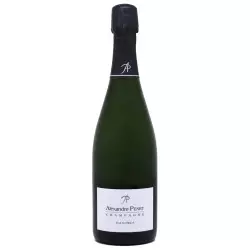


Alexandre Penet Premier Cru - Blanc de Blancs - Millésime 2015 Extra Brut
La Maison Penet Champagne
€72.00






- Without So2
Choosing your bubbles: method, appellations, serving
Champagne, Crémant and exceptional bubbles, direct from the grower
Sparkling wines embody celebration and lightness. Whether enjoyed during special occasions or with an everyday meal, sparkling wines have the power to awaken your senses. We offer a curated selection of sparkling wines, carefully chosen from the finest vineyards in France.
How are sparkling wines made?
There are several methods used to produce sparkling wines. Among the most renowned, the traditional method (also known as the Champagne method) involves a second fermentation in the bottle, creating fine bubbles and complex aromas.
The ancestral method is one of the oldest and most natural techniques: the wine undergoes a first fermentation and is bottled before fermentation is complete. This naturally traps carbon dioxide, producing delicate bubbles, lower alcohol levels, and a subtle sweetness.
Finally, the Charmat method, where the second fermentation takes place in tanks, is used to create fruit-forward and accessible sparkling wines.
Iconic sparkling wine appellations
Champagne, produced exclusively in its namesake region using the traditional method, is undoubtedly the most famous sparkling wine in the world.
Other French appellations such as Crémant de Loire, Crémant d'Alsace and Crémant de Bourgogne are made using the same method and offer excellent value for money.
Wines produced using the ancestral method, such as Blanquette de Limoux or Cerdon du Bugey, offer fresh, fruity and approachable profiles, perfect for discovering natural sparkling wines.
Which sparkling wine should you choose?
Sparkling wines come in several styles, each with its own character. Choosing the right bottle depends on the occasion, your budget, and your taste preferences:
- Champagne - finesse, complexity and prestige, ideal for special occasions and gifts
- Crémant - traditional method, excellent value for money for aperitifs and everyday meals
- Natural sparkling wine (pét-nat) - natural, fruity and lightly sparkling, highly appreciated by organic and natural wine lovers
- Blanquette de Limoux / Cerdon du Bugey - ancestral method, delicate bubbles and natural sweetness
Best food pairings with sparkling wines
Sparkling wines come in a great many styles, which opens up a wide range of food pairings. Champagnes and Crémants pair perfectly with seafood, oysters, sushi, and poultry dishes.
A Crémant de Bourgogne brut is ideal with mushroom risotto or fish terrine. Blanquette de Limoux and Cerdon du Bugey enhance light fruit desserts and fresh cheeses.
Rosé Champagne pairs beautifully with fresh strawberries, red fruit desserts or dark chocolate. For aperitifs, a chilled Crémant or a natural sparkling wine is a festive and accessible choice that suits every palate.
Our selection of sparkling wines invites you to discover bottles suited to every occasion. Whether you are looking for a refined Champagne as a gift or an affordable Crémant for an aperitif, you will find the perfect bottle.
Sparkling wines in short supply chains: directly from the grower to your table
Each sparkling wine you order leaves the grower's cellar in exactly the condition in which it was made, with no intermediary warehouse and no break in the cold chain. That is our short supply chain commitment: buying direct from the grower preserves the freshness of the bubbles and the character of every cuvée, from the most prestigious Champagne to the most confidential natural sparkling wine.
Our buyers travel the vineyards of Champagne, the cellars of the Loire Valley and the estates of Crémant de Bourgogne to select each cuvée at source. This direct contact with hundreds of independent growers lets us offer authentic sparkling wines at fair prices that reflect the real work of the vine.
Our guide to choosing your sparkling wine
Frequently asked questions about sparkling wines
What is the difference between Champagne and Crémant?
Champagne is produced exclusively in the Champagne region using the traditional method, from Chardonnay, Pinot Noir and Meunier: it offers finesse, complexity and a long finish. Crémant follows the same method in other French regions, the Loire, Alsace and Burgundy, and provides excellent quality at a more affordable price. At Avenue des Vins, Champagnes and crémants are selected at the estate and shipped from the grower's own cellar.
What is a natural sparkling wine (pét-nat)?
Pét-nat is made using the ancestral method: the wine is bottled before its first fermentation is complete, which traps the carbon dioxide naturally, with no tirage liqueur added and very little or no sulphur. The result is a living wine, often lightly filtered, with delicate bubbles and fresh fruit aromas. Low in alcohol, often 7 to 9%, it is a favourite among natural wine lovers. Blanquette de Limoux made by the ancestral method and Cerdon du Bugey are France's best-known examples.
Which sparkling wine should you choose for an aperitif?
Several options work, depending on your budget and your taste. A brut Crémant de Loire or Crémant d'Alsace offers freshness and finesse at a modest price. A Crémant de Bourgogne or a Blanquette de Limoux, lighter in bubble, suits every palate. For a more festive occasion, a non-vintage brut Champagne is the classic, elegant choice. If you are after something original, an organic natural sparkling wine brings a fashionable, off-the-beaten-track touch.
What is the ideal serving temperature for sparkling wines?
Serving temperature depends on the style. A brut Champagne or Crémant is served between 8 and 10 °C (46–50 °F) to reveal its aromas and preserve its fine bubbles. A fruity sparkling wine goes cooler, between 6 and 8 °C (43–46 °F). A rosé Champagne or a complex vintage Champagne is better at 10–12 °C (50–54 °F) to express its full depth. Avoid serving too cold, below 6 °C the aromas disappear, and never above 12 °C, which flattens the bubbles. Take the bottle out of the fridge ten minutes before serving.
Is sparkling wine a good gift?
Absolutely. Sparkling wine is the ideal gift for every celebration: birthdays, weddings, end-of-year parties or a promotion. A prestige Champagne or a rosé Champagne always makes an impression. On a tighter budget, a Crémant de Bourgogne or a Crémant d'Alsace offers excellent value for money. A gift box with several different styles is another original idea. At Avenue des Vins, every bottle leaves the estate directly, so freshness and character are guaranteed for a gift that never misses.