- Bio
- Biodynamic


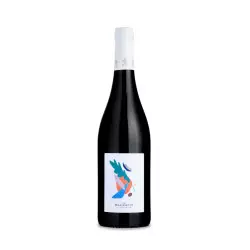
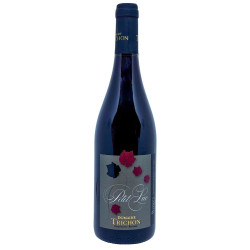
Who said organic was expensive? Discover winegrower's nuggets from organic viticulture and certified by the AB label (Agriculture Biologique)! Our sommeliers have unearthed wines produced with respect for the environment and biodiversity, by winemakers who love their terroirs. From fresh rosés and delicate whites to gourmet reds and light bubbles, treat yourself to a selection of organic cuvées direct from the estate!
Filtrer


An organic wine under €10 follows the same EU regulation as a pricier organic bottle, and its producer goes through the same yearly compliance check. In the vineyard, its cost reflects yields that are often a little lower and extra hours of soil work, with certification on top.
Key figures
Discover our selection of organic wines at great prices, combining respect for nature, terroir expression, and delightful taste. Explore a diverse range of organic red, white, rosé, and sparkling wines, made from iconic grape varieties and prestigious appellations.
Syrah, Grenache, Cabernet Sauvignon, Pinot Noir… Renowned appellations such as AOP Côtes du Rhône, AOP Bordeaux, and IGP Pays d’Oc offer wines with fruity, spicy notes and elegant tannins.
Chardonnay, Sauvignon Blanc, Viognier, Petit Manseng… Discover AOP Alsace, AOP Jurançon, and AOP Bourgogne cuvées with floral, mineral, and fruity aromas.
Cinsault, Grenache, Mourvèdre… Fresh and flavorful wines under appellations like AOP Côtes de Provence and AOP Languedoc, perfect for convivial moments.
Chardonnay, Pinot Noir, Meunier… Elegant bubbles from AOP Champagne, ideal for celebrating special occasions.
Behind every organic wine is a passionate winemaker who cultivates their vines with care and dedication. Choosing organic wine means discovering authentic craftsmanship while supporting producers who preserve biodiversity and honor their terroir.
Organic vines often yield a little less fruit. A study by Cerfrance Gard, a farm advisory network, presented in late 2019, put the drop in yield at 0 to 20% after a switch to organic, mostly early in the conversion. In early 2020, Cerfrance Gironde cited a gap of around 15% in the Bordeaux area.
An example cited in 2020, a red IGP Pays d'Oc, shows how a yield of 80 hectoliters per hectare (about 855 US gallons per acre) under conventional farming can drop to 65 in organic. On the same land, the producer has fewer bottles to cover the costs.
Weeding changes too. European organic law relies first on prevention to keep weeds in check, including mechanical and physical methods, which means more passes with tools along the rows. The Gard study counted about thirty extra hours of work per hectare (2.47 acres), plus more equipment and fuel.
For a wine to be marketed as organic, its producer must first hold a certificate issued by a control body under Regulation (EU) 2018/848. The producer's compliance is then verified every year, as a minimum.
In-person inspections at the farm can be spaced up to 24 months apart for a producer whose checks have found no breach affecting the integrity of its organic products three years in a row or more, and whose risk is rated low. This monitoring begins with the conversion, before the first organic harvest.
Whether for a family meal, a special gift, or a tasting with friends, our organic wines are accessible to all, without compromising on quality.
French vineyards under organic farming, conversion included, covered 163,469 hectares (about 404,000 acres) in 2024, according to FranceAgriMer. That is 22% of all vineyard area in France, worked by 11,369 farms, per Agence Bio data.
French organic winegrowing dipped slightly in 2024, according to FranceAgriMer: its area fell 4% and the number of farms 1%. That followed 2023, when the area reached 170,296 hectares (about 420,800 acres), and both figures remain above their average for the previous five years, by 10% for area and 14% for farms.
A winery generally pays for its own organic certification, yearly checks included. The EU regulation acknowledges that small farmers each face relatively high inspection costs, and lets them be certified as a group to bring those costs down.
Preparing orders of organic wines under €10 made on Avenue des Vins falls to the wines' own producers. Every wine's page lists its grape varieties.
See also: Organic red wines - Organic rosé wines - Organic Sparkling