Delivery from €16,90 per winemaker in Europe (excluding the United Kingdom)


Sélection Taux Alcool Réduit
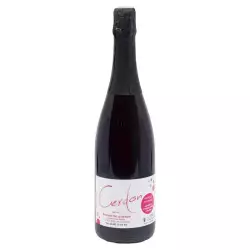
Explore our selection of low-alcohol or sulfite-free wines, ideal for combining pleasure and moderation. Enjoy the elegance of a red wine or the freshness of a white or rosé, with fruity, floral or mineral aromas. Perfect for aperitifs or meals, these light alternatives preserve the rich taste of fine wines, while respecting your lifestyle choices. Many of the lightest are ancestral-method sparkling wines such as Cerdon, which usually runs 7% to 9% ABV.
Filtrer






Low-Alcohol Wine: Where the ABV Comes From
What Counts as a Low-Alcohol Wine?
A low-alcohol wine has a noticeably lower ABV than most still wines, which usually sit between 12% and 14%. No EU rule sets a cutoff, and in the US “light wine” may legally appear on any table wine up to 14% ABV. In everyday use, though, wines under about 11% ABV are the ones called light. EU law does require at least 8.5% or 9% ABV for a drink to be sold as wine, with exceptions for some protected appellations.
Alcohol comes from fermentation: yeast turns grape sugar into ethanol, at roughly 17 grams of sugar per liter for each 1% ABV. Grapes picked earlier or grown in a cool climate therefore make a lighter wine. When fermentation stops before the end, some sugar stays in the wine and the ABV drops accordingly. That is also why some sweet wines are lower in alcohol than dry wines made from the same grapes.
Naturally Light Wine Styles
Some wines are light by nature, with no processing at all. Many whites from cool regions fit the bill: the Muscadet Sèvre-et-Maine sur lie appellation caps chaptalized wines at 12% ABV. For reds, light and fruity red wines made from Gamay are often lower in alcohol than reds from the South.
Ancestral-method sparkling wines take another route. The wine is bottled before fermentation ends, which creates the bubbles and leaves some sugar behind: the result is fruity, often sweet and low in alcohol. Cerdon, from the Bugey region, usually comes in at 7% to 9% ABV, and other ancestral-method sparkling wines work the same way.
Dealcoholized Wine: What EU Rules Say
Since EU Regulation 2021/2117, wine can have some or all of its alcohol removed after fermentation, through partial vacuum evaporation, membrane techniques or distillation. The term “dealcoholized” is reserved for wines at 0.5% ABV or less. Above that, and below the category minimum, the label reads “partially dealcoholized.” Both terms are defined by EU law.
Wines with a protected designation of origin or geographical indication can only be partially dealcoholized. So a fully dealcoholized wine never carries a PDO or PGI name. If you want zero proof, head to alcohol-free wines. A naturally light wine, by contrast, has had nothing taken out: its low ABV comes from the grapes, the climate and the way fermentation was handled.
Food Pairings for Low-Alcohol Wine
Light wines suit appetizers and delicate dishes. Crisp whites go with oysters, seafood and grilled fish. A light red served slightly chilled, around 55 to 57 °F (13 to 14 °C), works with charcuterie or roast chicken. Save sweet bubbles for berry desserts, and a touch of residual sugar helps tame spicy food. Serve whites and sparkling wines well chilled to keep them lively.
Low-Alcohol Wine FAQ
Which sparkling wines are lowest in alcohol?
The sparkling wines lowest in alcohol are often ancestral-method wines, such as Cerdon from the Bugey region, which usually runs 7% to 9% ABV. Champagne and crémant are most often around 12% ABV.
How long can you keep a low-alcohol wine?
A low-alcohol wine is usually meant to be enjoyed within two or three years of the vintage, while its fruit and freshness are at their peak. Some sweet, high-acid whites are the exception and age for many years despite a modest ABV.
How do you read the alcohol content on a wine label?
The alcohol content must appear on every EU wine label as % vol, accurate to within 0.5% ABV for most wines. A dealcoholized wine also carries the words “dealcoholized” or “partially dealcoholized.” To learn more, read everything you need to know about non-alcoholic wine.
Can a low-alcohol wine still be full of flavor?
A low-alcohol wine can be very flavorful: its taste comes mainly from the grape variety, acidity and residual sugar. Alcohol adds warmth and body, which is why lighter wines often taste brighter and crisper.
Where can you buy low-alcohol wine direct from the winemaker?
You can buy low-alcohol wine direct from the winemaker on Avenue des Vins. Each bottle is shipped by the estate that made it, with no middleman. You choose a lighter wine and know exactly where it comes from.
Explore also: Vegan Wines - Biodynamic Wines - 100% Organic