Delivery from €16,90 per winemaker in Europe (excluding the United Kingdom)


Our best rosés of the summer!
Warm days call for rosé! Whether you're enjoying an aperitif on the terrace, a barbecue, a picnic or a more sophisticated dinner, rosé wine is the perfect companion for every summer occasion. Our sommeliers have handpicked a range of estate-direct rosés, shipped straight from the producer's cellar, showcasing a wonderful diversity of grape varieties, Cinsault, Grenache, Syrah, Rolle, and appellations. Provence, Languedoc, Loire Valley, Rhône Valley or Corsica: from the pale and crisp rosés of Provence to the fuller, spicier styles of the Languedoc, a varied range to suit every taste. The ideal selection to carry you through summer, from lunch to sunset.
Filtrer


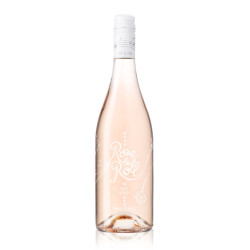


Roseline Prestige PAR ROSELINE DIFFUSION ROSÉ
Château Sainte Roseline Provence Alpes Côte d'Azur
€14.40
- Favorite


Choosing the right rosé for summer
Our best summer rosés, handpicked by our sommeliers
Good to know: this selection brings together rosés from Provence, Côtes de Provence, Bandol, Coteaux d'Aix-en-Provence, alongside wines from the Languedoc and Corsica. Every bottle is shipped directly from the producer's cellar, with no intermediary storage. The dominant grape varieties are Cinsault, Grenache and Syrah. Serving temperature: 8 to 12°C depending on style.
Which rosé to choose for summer?
Rosé steps in where other wines hesitate: it works just as well with a salade niçoise as it does alongside grilled meats. The ideal style changes depending on the occasion, the food and personal taste. A Côtes de Provence rosé, pale and taut, suits a table of grilled fish or charcuterie. A Languedoc rosé, fuller and fruitier, holds its own against a meat barbecue. Our sommeliers have put together this selection to cover every use: aperitif on the terrace, al fresco dining, a lazy lunch by the water.
The grape varieties behind summer rosé
Every rosé in this selection reflects the winemaker's work on their terroir. Cinsault brings lightness and bright, fresh fruit. Grenache gives body and aromas of ripe red fruits. Syrah adds structure and a hint of spice, while Rolle (also known as Vermentino) delivers a floral freshness and the subtle salinity that defines Provençal rosé. Tibouren, a rare variety from the Var coastline, is the signature grape of the most exclusive cuvées in the selection.
Provence rosé: the summer benchmark
Provence produces the most sought-after rosés in the world. Its pale robe, sometimes as delicate as a Var sunset, its notes of white peach and grapefruit, its dry and taut palate have made it the definitive summer reference. Bandol, Côtes de Provence, Coteaux d'Aix-en-Provence: all appellations represented here by grower-producers who vinify and ship their own bottles. Several are awarded by the Hachette Wine Guide or Wine Enthusiast, reliable benchmarks to guide your choice. On Avenue des Vins, every Provence rosé is available direct from the producer, full traceability, vintage freshness guaranteed.
Organic and natural rosé: our producers' commitment
A large proportion of the rosés in this selection come from organically farmed vineyards, certified organic, HVE or Terra Vitis. Our partner producers work carefully to make wines that respect the soil and the environment. These certified organic rosés often show more precise aromatics, finer textures and an immediate drinkability that makes them ideal summer companions. Explore our full range of organic wines, all available direct from the estate.
What temperature should rosé be served at?
Serving temperature makes all the difference. Rosé served too cold loses its aromas; too warm, it loses its freshness. The ideal range is 8 to 10°C for the lighter, more delicate Provence styles, and 10 to 12°C for fuller-bodied rosés from the Languedoc or Bandol. Take the bottle out of the fridge 10 to 15 minutes before serving. In summer, an ice bucket is your best friend.
Food and wine pairing: rosé at the table
Rosé is the most versatile wine at the summer table. It pairs naturally with composed salads, mezze and tapas, pizza, charcuterie and fresh cheeses. It is also the ideal partner for barbecues and grilled meats, seafood and shellfish, and even certain fruit-based desserts. For a successful aperitif, reach for a light, floral Côtes de Provence. For a picnic, an IGP Méditerranée under €12 fits the bill perfectly. Discover our full range of rosé wines for every occasion.
Frequently asked questions about summer rosé
What is the difference between a Provence rosé and a Languedoc rosé ?
Provence rosé is defined by its very pale colour, its dry and delicate palate, and its aromas of flowers and citrus. Languedoc rosé tends to be fruitier and rounder, with more expressive red fruit character. The two styles are complementary: Provence for aperitifs and refined dishes, Languedoc for grilled meats and heartier meals.
Can summer rosé be kept in the cellar ?
Most rosés in this selection are made to be enjoyed young, within 1 to 3 years of the vintage. Their aromatic freshness is at its peak within the first 12 to 18 months. A few exceptions, such as Bandol rosés, can be cellared for 4 to 6 years and gain in complexity over time.
How do you recognise a good summer rosé ?
A good summer rosé has a clear, bright colour, a clean nose, fresh red fruits, flowers, citrus, with no heavy or oxidised notes, and a fresh palate with a pleasant finish. Dryness on the finish is a sign of quality: an overly sweet rosé often masks a lack of care in the winery. Hachette Wine Guide or Wine Enthusiast ratings are reliable guides.
Why buy rosé direct from the producer ?
On Avenue des Vins, every bottle is shipped by the winemaker from their own cellar, no intermediary stock, no cold chain interruption in a warehouse. The rosé you receive is the same one tasted at the estate. This guarantees vintage freshness, full traceability and a fair price with no mark-up.
Which rosé is best for a barbecue ?
For a barbecue, go for a rosé with body and substance: a Languedoc based on Grenache and Syrah, a Bandol or a Coteaux d'Aix-en-Provence. Avoid overly delicate rosés that would be overwhelmed by the smoky flavours of the grill.
What is the best rosé to give as a gift in summer ?
For a gift, look for a bottle with an elegant presentation and an evocative name: a Côtes de Provence from a well-known estate works perfectly. Between €14 and €22, you'll find something genuinely impressive. A rosé shipped directly from the estate, with full traceability, is a far more authentic gift than anything from a supermarket shelf.
Which rosé is best for a picnic ?
For a picnic, choose a light, fruity and affordable rosé, between €8 and €14. An IGP Méditerranée or an entry-level Côtes de Provence will do the job well. Look for good acidity so the wine stays pleasant even if it warms up slightly. Cinsault-based rosés are particularly well suited for their easy-drinking character.
What is the difference between a pale rosé and a deeper-coloured rosé ?
The colour of a rosé reflects its winemaking method. A pale rosé (typical of Provence) comes from very brief skin contact: it is fine, delicate and low in tannin. A deeper rosé (Languedoc, some Bandols) has macerated longer: it is fuller, fruitier and better suited to cooked dishes and grilled meats.
Which grape varieties make the best rosés ?
In Provence, Cinsault produces light, floral rosés; Grenache adds body and strawberry aromas; Syrah brings structure and spice. Rolle (Vermentino) delivers a characteristic saline freshness. Tibouren, a rare variety from the Var coast, is the signature of the most sought-after cuvées. Grenache-Cinsault blends are often the most balanced.
Where can I buy rosé wine direct from the producer ?
On Avenue des Vins, every rosé is sold direct from the producer. Bottles are shipped from the estate's cellar, bypassing distributors and intermediary warehouses. This ensures fair prices, vintage freshness and complete traceability from vine to glass.