Delivery from €16,90 per winemaker in Europe (excluding the United Kingdom)


Sweet wines
Looking for a sweet, dessert or off-dry wine to pair with a dessert or enjoy as an aperitif? Avenue des Vins offers a curated selection of wines straight from independent winemakers. Discover our Sauternes, our Jurançon, or our sweet wine from the Landes, all sourced directly from independent estates.
Filtrer


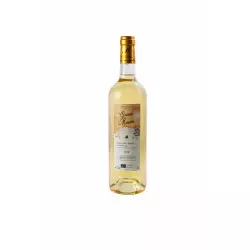


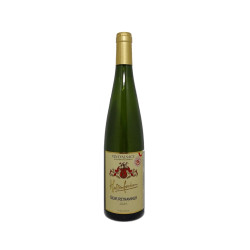


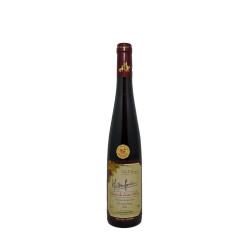
- HVE
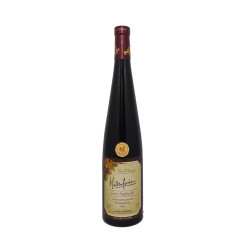


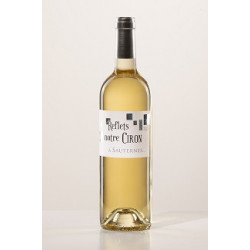


Sweet Wines
Sweet wines are sugar-rich white wines prized for their softness and aromatic richness. Their subtle balance between freshness and sweetness makes them ideal companions for a wide range of dishes, from aged cheeses to foie gras and fruit-based desserts. These elegant wines stand out for their roundness on the palate and their intense aromas, offering a unique tasting experience with every sip. Discover in this selection some of the finest sweet wines from the best French wine estates.
What is a sweet wine ?
A sweet wine is defined by a higher level of residual sugar than a dry white wine, giving it a noticeable sweetness on the palate. This style of wine is often made from overripe grapes, sometimes thanks to noble rot, a phenomenon that concentrates sugars and intensifies aromas. Sweet wines stand out for their complexity, with notes of exotic fruit, candied citrus, and sometimes honey or flowers.
The finest sweet wine appellations
Sweet wines are produced across several renowned French wine regions, each offering cuvées with distinct characteristics. Among the most sought-after appellations are Monbazillac and Jurançon, two South-West appellations known for sweet white wines often marked by notes of tropical fruit and citrus, perfect alongside foie gras from the same region. In the Loire Valley, the Coteaux du Layon 1er Cru Chaume appellation offers a Chenin Blanc-based sweet white wine with aromas of pear and quince, balanced by a lovely acidity that offsets its sugar richness.
At Avenue des Vins, discover our selection of sweet wines sourced directly from France's finest winemakers. Whether for a special occasion or to create beautiful food pairings, our sweet wines promise an unforgettable tasting experience. Enjoy our best value bottles, delivered directly from the estate or château of your choice.
Frequently asked questions about sweet wines
What is the difference between a sweet wine and a dry wine?
The difference lies in the residual sugar that isn't converted into alcohol during fermentation. A dry wine contains less than 4 grams of sugar per litre, while a sweet wine typically contains between 12 and 45 grams per litre.
What is the difference between moelleux and liquoreux?
It comes down to sugar concentration. A moelleux wine holds between 12 and 45 grams of sugar per litre; a liquoreux goes beyond 45 and can climb much higher. Liquoreux wines almost always come from botrytised or shrivelled grapes, which gives them a denser texture and notes of candied apricot and saffron. Sauternes and Monbazillac are liquoreux; a Jurançon can be either, depending on the cuvée.
What is the difference between a sweet wine and an off-dry wine?
An off-dry wine sits between dry and sweet, with residual sugar generally between 4 and 12 grams per litre, giving a light hint of sweetness without being truly sugary.
What should you pair with a sweet wine?
Sweet wine pairs particularly well with foie gras, aged cheeses such as Roquefort or Comté, and desserts made with stone or exotic fruit.
Which sweet wine goes with foie gras?
Sauternes and Monbazillac are the classic matches, rich and enveloping. A moelleux Jurançon offers a tauter alternative: its acidity cuts through the fat rather than adding to it, which many sommeliers now prefer. Serve between 8 and 10 °C, and open the bottle as you sit down.
Is Gewurztraminer always a sweet wine?
No, Gewurztraminer can be made dry, off-dry or sweet depending on the winemaker's choice and the ripeness of the grapes at harvest.
Is Coteaux du Layon a sweet wine?
Yes, the Coteaux du Layon appellation, produced in Anjou in the Loire Valley, is an iconic sweet white wine appellation made from the Chenin Blanc grape.
What is noble rot?
It is the work of a fungus, Botrytis cinerea, which pierces the grape skin and lets water evaporate. Sugar and aromas concentrate inside the berry. It needs rare conditions, misty mornings followed by dry sunny afternoons, which is why few regions produce great sweet wines.
Does sweet wine age well?
Yes, sweet wine generally keeps well, often for 3 to 10 years depending on the appellation and vintage, as its sugar content acts as a natural preservative.
How long does an open bottle of sweet wine keep?
Three to seven days in the fridge, recorked. Sugar acts as a natural preservative, so these wines last far longer than a dry white once opened. That matters when you only pour a glass each.
What is the average alcohol content of a sweet wine?
A sweet wine typically has an alcohol content between 11.5% and 13.5%, close to that of a classic dry white wine.
What temperature should sweet wine be served at?
Sweet wine is best served chilled, between 8 and 10°C, to preserve the balance between sugar and acidity while showcasing its aromas.