Delivery from €16,90 per winemaker in Europe (excluding the United Kingdom)


AOC Bordeaux Rosé
Located in the southwest quarter of France, the Bordeaux vineyard is known for its great wines. Among the many appellations it has, we find the AOC Bordeaux Rosé. This dry rosé comes from the red grapes of the Bordeaux region, such as Merlot or the two Cabernets. Fruity or floral, it is served chilled.
Filtrer


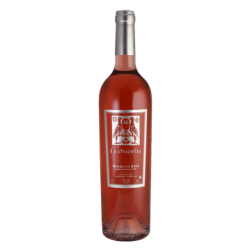

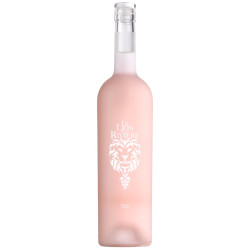


Bordeaux Rosé, One of the Colors of AOC Bordeaux
AOC Bordeaux comes in three colors: white, red and rosé. All three share the same growing area and the same rules, with specific requirements for rosé, on the grapes allowed as well as on the sugar level.
History of the AOC Bordeaux Rosé Appellation
Rosé wine has been produced in Bordeaux for centuries, although its reputation has often been overshadowed by the region's famous red wines. The AOC Bordeaux Rosé designation was officially recognized in 1974, in response to the growing interest in rosé wine. Indeed, the consumption of rosé wine has seen a resurgence since the 20th century, prompting Bordeaux winemakers to adapt their techniques to produce high-quality rosé wines that are both fresh and elegant.
Climate and Terroir of AOC Bordeaux Rosé
- Climate: Bordeaux has a temperate oceanic climate, influenced by its proximity to the Atlantic Ocean. Winters are mild, summers are relatively warm, with rainfall well-distributed throughout the year.
- Soils: Varied soils range from gravel to limestone, along with clay and sand.
Grapes of AOC Bordeaux Rosé
AOC Bordeaux Rosé relies on the traditional red grape varieties of the Bordeaux region. Among them, Merlot, the primary grape used, brings roundness and fruitiness. It is often complemented by Cabernet Sauvignon and Cabernet Franc, which add structure and freshness to the wine. Occasionally, secondary grapes like Malbec and Petit Verdot are also used to add complexity to the aromatic profile.
Style of AOC Bordeaux Rosé Wines
Appearance: AOC Bordeaux Rosé wines display a lovely pale pink hue, sometimes with salmon tones, which can lean towards brighter shades depending on the estate and winemaking techniques.
Aroma: Lush and expressive, revealing fresh red fruit aromas such as strawberry, raspberry, and redcurrant. Floral notes like rose and hints of citrus (grapefruit) round out the bouquet.
Taste: AOC Bordeaux Rosé is lively and refreshing on the palate, with well-balanced acidity that complements the roundness brought by Merlot. Red fruits dominate, with a light minerality in the finish.
Serving temperature: Serve well-chilled, between 8 and 10°C.
Aging potential: 1 to 2 years.
Best Food Pairings with AOC Bordeaux Rosé Wine
Here are some recipe ideas to perfectly pair with a bottle of Bordeaux rosé from an estate or château in AOC Bordeaux Rosé:
- Stuffed tomatoes
- Grilled meats on the barbecue
- Vegetable stir-fry
- Pasta with smoked salmon
- Salad with confit gizzards
What AOC Bordeaux Requires of Its Rosé
Bordeaux rosé comes from Bordeaux's red grape varieties, the same ones used for red Bordeaux: Merlot, Cabernet Sauvignon, Cabernet Franc, Cot (Malbec), Carmenère and Petit Verdot. Three white grapes, Sémillon, Sauvignon Blanc and Sauvignon Gris, are allowed as accessory varieties. Together they may not exceed 20% of the blend, with no more than 10% for the two Sauvignons.
This blending takes place at the grape or must stage, the only kind of blending allowed for this rosé.
Sugar is capped at 3 grams per liter, or 5 grams when total acidity reaches 2.7 grams per liter (expressed as sulfuric acid). EU rules allow the term "dry" up to 4 grams, and up to 9 grams when acidity is high enough, so Bordeaux rosé is always a dry rosé.
The appellation credits it with a good ability to be enjoyed within one or two years. It is a rosé to drink young, preferably from a recent vintage.
Bordeaux Rosé: Questions Wine Lovers Ask
Is there a sparkling Bordeaux rosé?
Bordeaux rosé is always a still wine, because AOC Bordeaux is reserved for non-sparkling wines. In the Bordeaux region, rosé with bubbles comes under AOC Crémant de Bordeaux, an appellation for white or rosé sparkling wines.
What is the minimum alcohol level for Bordeaux rosé?
Bordeaux rosé must reach a natural alcohol level of at least 10%. This threshold, measured before any enrichment, is the same as for dry white Bordeaux, while red Bordeaux needs 10.5%.
Where can you buy Bordeaux rosé direct from the winemaker?
You can buy Bordeaux rosé direct from the winemaker on Avenue des Vins. Every wine's page lists its grape varieties.
See also: AOC Bordeaux Clairet - AOC Bordeaux - AOC Crémant de Bordeaux