Delivery from €16,90 per winemaker in Europe (excluding the United Kingdom)


AOC Bourgogne Wine
In the centre-east of France, the Bourgogne is one of the oldest winegrowing French areas, known for its very fine vintages. One can find in particular the AOC (Controlled Designation of Origin) Bourgogne. The Bourgogne vineyard spreads over about 230 kilometers from the Yonne department to the Saône-et-Loire. The AOC Bourgogne wines are essentially made with the pinot noir variety for the red and rosé ones and the chardonnay variety for the white ones. But the soils and the climate conditions of each terroir being highly variable, the wines are often labelled by the name of the place where they were produced.
Filtrer


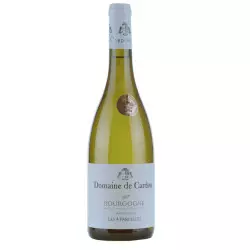


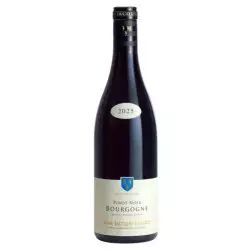


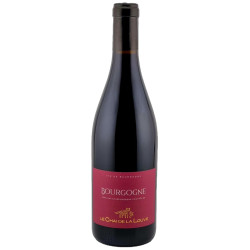


Fourteen Place Names That Pinpoint a Bourgogne
On an AOC Bourgogne label, the appellation name is sometimes followed by a second one, such as Hautes Côtes de Nuits, Côtes d’Auxerre or Côte Chalonnaise. The appellation rules allow fourteen of them. Known in French as dénominations géographiques complémentaires, these added names show which part of this large regional appellation the wine comes from.
Four Départements, More Than 300 Villages
The AOC Bourgogne area takes in villages in four départements, Yonne, Côte-d’Or, Saône-et-Loire and Rhône: more than 300 in all, according to the appellation rules. In the south, it covers part of Beaujolais, a wine region that keeps appellations of its own.
The wines change from one end of the area to the other. According to the rules, Yonne wines show lively acidity, while those from the south, toward the Mâconnais, taste softer.
In the north, vines are limited to the most favorably exposed valley slopes, mostly on marl, at 150 to 300 meters (about 490 to 980 feet). From Dijon to the outskirts of Lyon, they cover an almost continuous line of hills, usually limestone or marl, at 250 to 400 meters (about 820 to 1,310 feet).
One Main Grape for Reds, Two for Whites
Pinot Noir is the only main grape for red AOC Bourgogne. Chardonnay is the dominant white grape, and Pinot Blanc is the other main variety allowed. The appellation comes in rosé as well.
Gamay is only a secondary grape here, limited to wines from the areas of the ten Beaujolais crus and, as a general rule, capped at 30% of the blend. Those same areas can produce Bourgogne with at least 85% Gamay: the label must then show the word “gamay” right under the appellation name, in letters of the same size.
Bourgogne Passe-tout-grains is a separate AOC. According to INAO, France’s appellation authority, it blends Gamay and Pinot Noir, with at least 30% Pinot Noir, and can be made anywhere in Burgundy.
From the Hautes Côtes to Tonnerre, Each Name Has Its Own Rules
More than half of the appellation’s volume is sold under one of these names, according to the rules, with the largest shares going to Hautes Côtes de Beaune, Hautes Côtes de Nuits and Côte Chalonnaise. Some name a small area, others a village or a single site, such as Côte Saint-Jacques or Le Chapitre.
Each name has its own colors. Bourgogne Côte d’Or, granted in 2017 to producers in the Côte de Beaune and Côte de Nuits, covers 40 villages and comes only in white and red. Côtes du Couchois is red only, Épineuil red or rosé, and Tonnerre white only.
Some names even set a calendar. A Bourgogne Hautes Côtes de Beaune or Hautes Côtes de Nuits must age at least until March 1 after the harvest, and cannot be sold to consumers before March 15.
AOC Bourgogne: Answers to Common Questions
When did AOC Bourgogne become an appellation?
AOC Bourgogne was recognized by a decree of July 31, 1937. A court ruling in Dijon had already made the designation of origin official in 1930, and today’s boundaries are inherited from the ones drawn at that time, according to the appellation rules.
What does “Vin de Bourgogne” mean on an AOC Bourgogne label?
On an AOC Bourgogne label, “Vin de Bourgogne” is an optional mention that names a wider geographic unit than the appellation. The appellation rules allow it alongside the appellation name, Bourgogne, but not in place of it.
What is beurot in Burgundy?
In AOC Bourgogne, beurot is the local name for Pinot Gris, according to the appellation rules, which describe it as a minor presence in the vineyards. It is a secondary grape for whites, capped at 30%, and one of the two main grapes for rosé, alongside Pinot Noir.
Where can you buy AOC Bourgogne wine direct from the winemaker?
You can buy AOC Bourgogne wine direct from the winemaker on Avenue des Vins. The producer packs and ships your order directly.
See also: AOC Bourgogne Côte d'Or - AOC Bourgogne Hautes Côtes de Beaune - AOC Bourgogne Aligoté