Delivery from €16,90 per winemaker in Europe (excluding the United Kingdom)

domaine lasserre Cave de Jurançon
Domaine Lasserre, an AOC Jurançon and Béarn estate in Gan: sweet and dry manseng, direct from the cellar...
Lire plus


Discover domaine lasserre Cave de Jurançon in photos
Cave de Gan-Jurançon - 300 Winegrowers, AOC Jurançon & Béarn - Pyrenean Foothills
At the foot of the Pyrenees, where the rolling hills of the Béarn rise in luminous waves, Cave de Gan-Jurançon has been keeping alive one of the South-West's finest cooperative stories since 1949. Located between Pau, Biarritz and Lourdes, it has become an essential stop for anyone wishing to understand the richness of the Pyrenean foothills vineyards and the legacy of the men and women who tend them.
A powerful cooperative in service of the Jurançon and Béarn appellations
Bringing together nearly 300 winegrowers around a shared project, the cooperative works with 750 hectares of vines, of which 45 hectares are farmed directly by its own technical team. This collective strength allows two great regional appellations to be preserved and celebrated:
|
||
|
Every bottle carries the imprint of this territory of light, steep slopes and mountain air, a Pyrenean signature that cannot be replicated elsewhere.
|
||
|
||
|
A unique Pyrenean terroir, heir to centuries of tradition
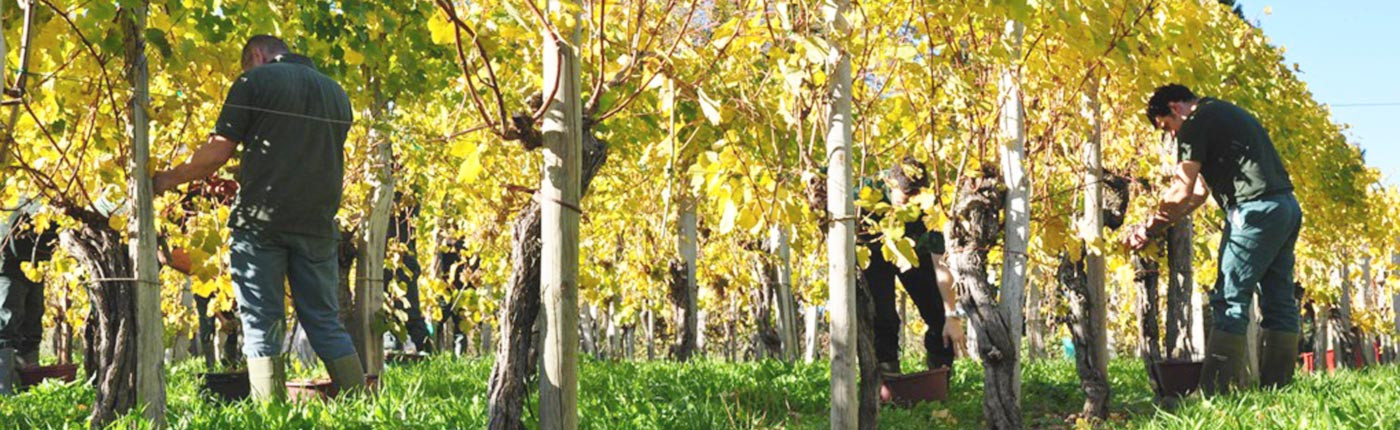
The hillsides planted with Petit Manseng, Gros Manseng, Courbu and Camaralet benefit from a very particular microclimate: cool nights, luminous days, long dry autumns and the direct influence of the Pyrenean ridges. This combination promotes a slow ripening and exceptional aromatic concentration in the grapes.
The Jurançon: one of the few vineyards where harvest stretches into December
This patience, dictated by the mountain and the Béarn wind, is what finds its way into every glass of sweet Jurançon: concentrated, luminous, and timeless.
|
||
|
||
|
||
|
Free visits, tastings and an immersive look at the craft
Throughout the year, Cave de Gan-Jurançon opens its doors for free guided tours. These visits allow guests to discover:
|
||
|
||
|
||
|
||
|
The ideal experience for understanding the history, craftsmanship and commitment of this great Béarn winemaking family.
Wines that carry the signature of the Pyrenean foothills
Whether a vibrant dry Jurançon, an opulent sweet wine brimming with exotic aromas, or a forthright Béarn red, the cooperative's wines embody the authenticity of a vineyard shaped by relief and solidarity. Every cuvée is available for direct purchase, shipped from Gan in the Pyrénées-Atlantiques.
Dry Jurançon
AOC Jurançon · Gros Manseng + Courbu · Dry white
Lively and precise, with citrus and mineral freshness. The most distinctive dry white of the Pyrenean foothills — a natural match for Atlantic fish, oysters and Ossau-Iraty Pyrenean sheep's cheese.
Sweet Jurançon
AOC Jurançon · Petit Manseng · Late harvest - sometimes into December
Opulent and exotic, pineapple, mango, honey, balanced by a fresh acidity that offsets the natural sweetness. One of the great sweet wines of the South-West, at its finest alongside Périgord foie gras or exotic fruit desserts.
Béarn Red & Rosé
AOC Béarn · Tannat, Cabernet Franc, Cabernet Sauvignon
Generous reds with a straightforward, fruity character. Fresh and expressive rosés. Hearty table wines faithful to Béarn cuisine.
Each bottle tells a version of the Béarn: proud, generous and deeply rooted in its land.
Cave de Gan-Jurançon, Gan (64290), Pyrénées-Atlantiques
|
||
|
||
|
||
|
||
|
Direct from the cooperative · Expertly packed
Frequently asked questions about Cave de Gan-Jurançon
Where is Cave de Gan-Jurançon located ?
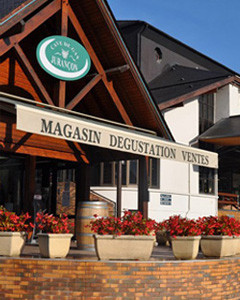
Cave de Gan-Jurançon is located in Gan (64290), in the Pyrénées-Atlantiques, in the Pyrenean foothills, between Pau, Biarritz and Lourdes. It sits at the heart of the Jurançon appellation vineyard, on the Béarn hillsides that slope down towards the plain of Pau.
Why order Cave de Gan-Jurançon wines directly, with no middleman ?
Because every bottle leaves directly from Gan, bypassing any intermediate warehouse, at its best, at a fair price, with the full traceability of a cooperative that has been working 750 hectares of vines with 300 Béarn winegrowers since 1949.
What are the best sweet Jurançon wines from the Béarn ?
Sweet Jurançon is one of the great sweet wines of South-West France. The finest cuvées are made from Petit Manseng harvested late, sometimes into December, on the Pyrenean hillsides. Cave de Gan-Jurançon, with its 300 winegrowers and 750 hectares, offers several quality tiers: from accessible entry-level cuvées to concentrated single-plot selections, all defined by their characteristic exotic aromas (pineapple, mango, honey) and a fresh acidity that balances the grape's natural richness.
What is the difference between dry Jurançon and sweet Jurançon ?
Dry Jurançon is fermented as a dry white wine, primarily from Gros Manseng and Courbu, lively, citrus-driven, with a clean mineral edge, ideal as an aperitif or with fish. Sweet Jurançon is made from Petit Manseng harvested very late, sometimes into December, allowing the berries to undergo natural passerillage on the vine, concentrating the sugars and exotic aromas (pineapple, mango, honey, candied fruits) while retaining a brisk acidity. These are two distinct sub-appellations within the AOC Jurançon.
What is the AOC Jurançon appellation ?
AOC Jurançon is a wine appellation in South-West France, in the Pyrénées-Atlantiques, east of Pau. It produces exclusively white wines, dry and sweet, from the native varieties Petit Manseng, Gros Manseng, Courbu and Camaralet. It is one of the few French appellations where late harvests can stretch into December, yielding sweet wines of remarkable concentration. Historically, sweet Jurançon is said to have been served at the baptism of the future King Henri IV in 1553.
What food pairs well with Cave de Gan-Jurançon wines ?
Dry Jurançon opens up beautifully alongside Arcachon Bay oysters, Atlantic fish and Pyrenean sheep's cheeses (Ossau-Iraty). Sweet Jurançon pairs magnificently with South-West foie gras, exotic fruit desserts, blue-veined cheeses and fruit tarts. Béarn red suits roast meats, garbure (the local bean and vegetable stew) and duck confit. Béarn rosé is ideal as an aperitif or alongside light summer fare.
Does Cave de Gan-Jurançon offer free visits ?
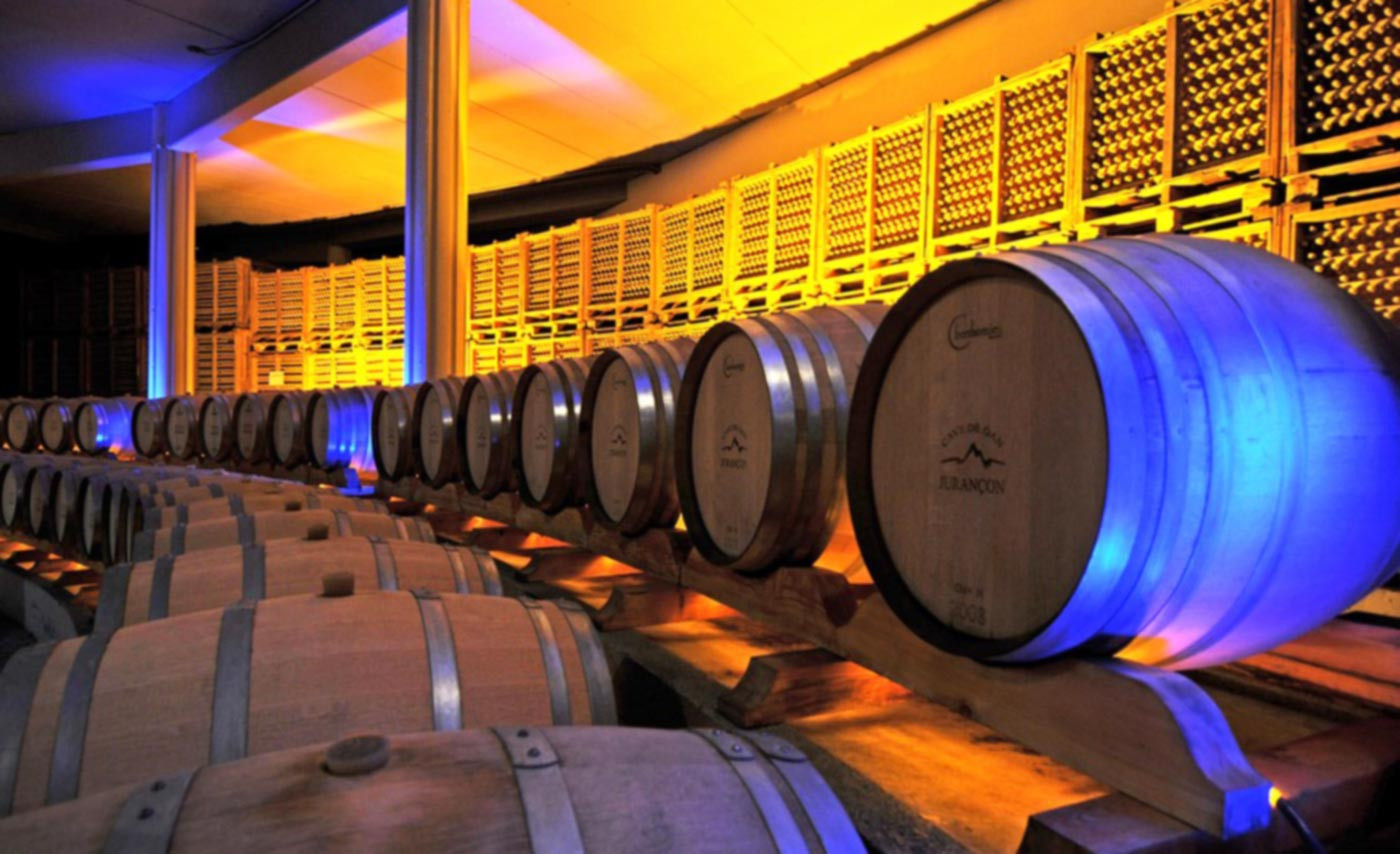
Yes, throughout the year, Cave de Gan-Jurançon opens its doors free of charge. Visitors can explore the presses, the semi-underground cellar, the bottling facility and the Gallo-Roman mosaics discovered on the site. Each visit concludes with a guided tasting of the cooperative's cuvées, one of the most complete wine tourism experiences in the Pyrenean foothills.
What is passerillage in the Jurançon vineyard ?
Passerillage is the technique that gives sweet Jurançon its characteristic richness. Bunches of Petit Manseng remain on the vine well past normal ripeness, sometimes until December, exposed to the fœhn winds that descend from the Pyrenees. These dry winds dehydrate the berries without rotting them, naturally concentrating the sugars and aromas (pineapple, mango, honey). The result is a sweet wine of remarkable richness and impressive longevity.
Direct from the cooperative · Expertly packed
Cave de Gan-Jurançon - Gan (64290) - Pyrénées-Atlantiques, Béarn, South-West France
300 winegrowers · 750 hectares · Founded 1949 · AOC Jurançon & AOC Béarn · Pyrenean Foothills