Delivery from €16,90 per winemaker in Europe (excluding the United Kingdom)

Let's eat !
Which wine goes with guinea fowl? Roast, casserole, mushroom and fruit pairings
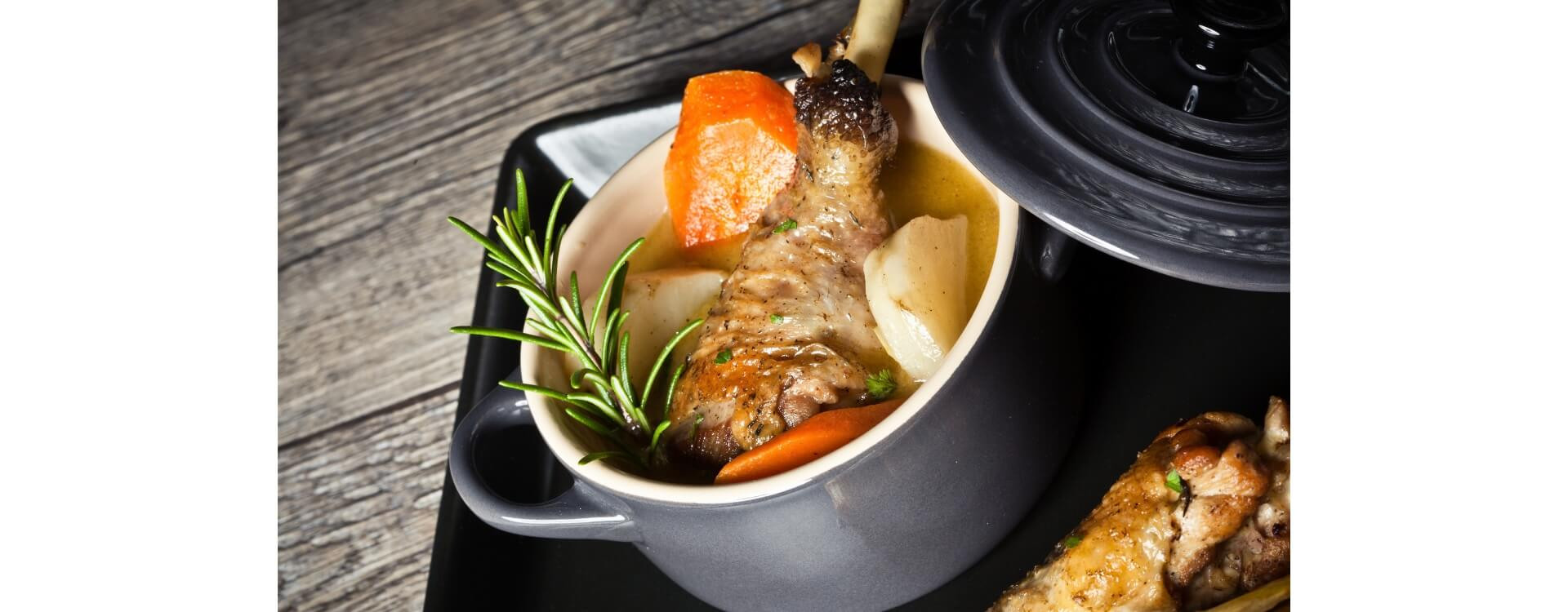
With roast guinea fowl, a soft, low-tannin red such as a Bourgogne pinot noir or a Chinon carries the meat without overwhelming it. Depending on the cooking and the sauce, a rounded white or a structured rosé work just as well. Here is how to choose.
Guinea fowl has the delicacy of poultry and the character of light feathered game. Its flesh, more flavourful than chicken and leaner than capon, calls for a fruity, fresh wine with little drying tannin.
Everything then hinges on the cooking and the garnish. Here are our pairings, colour by colour, from roast guinea fowl to the version with figs.
Which red wine with guinea fowl?
Red is the safest match for roast or casseroled guinea fowl, as long as you stay with soft, aromatic wines. Firm tannin toughens an already lean flesh.
Bourgogne pinot noir is the natural partner. A Mercurey, a Savigny-lès-Beaune or a Marsannay bring the red fruit and freshness that lift the bird without masking it. Serve them at around 15 °C.
The Loire offers the same suppleness at a gentler price. A Chinon, a Bourgueil or a Saumur-Champigny, from cabernet franc, hold up to the roast with melted tannins and a crunchy fruit note.
For a more generous version, a Beaujolais cru such as a Morgon or a Fleurie works nicely. And with guinea fowl forestière, a pinot noir with undergrowth notes marries the mushroom sauce.
Our red wine and guinea fowl tips
Favour fruit and freshness: Bourgogne pinot noir, Loire cabernet franc or a Beaujolais cru. Set aside the big, structured southern reds, which take over.
Can a rosé go with guinea fowl?
Yes, provided you pick a gastronomic rosé, more structured than an aperitif style. It shines above all on grilled guinea fowl, a cold version or a warm-season meal.
A Tavel, the full-bodied rosé of the Rhône valley, has the substance to match the flavourful flesh. A Bandol rosé, from mourvèdre, or a characterful Côtes de Provence play the same role with extra spice.
Our rosé and guinea fowl tips
Aim for a vinous, fresh rosé served at around 10 °C. Keep it for lighter preparations; on a slow casserole, red or white stay more accurate.
Which white wine with guinea fowl?
White wine comes into its own as soon as the sauce holds cream, mushrooms or fruit. Its freshness lightens the richness and its roundness answers the sweetness of the garnish.
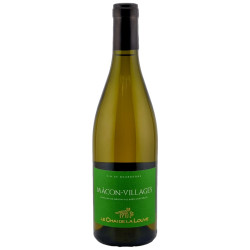
With guinea fowl in cream or with mushrooms, a white Bourgogne such as a Mâcon-Villages, a Saint-Véran or a Rully brings the right body and vivacity. Serve it at around 11 °C.
With fruited guinea fowl, grape or figs, a slightly sweet white is superb. A Vouvray or Montlouis demi-sec, an Alsace pinot gris or a Jurançon echoes the dish's sweet note.
For guinea fowl with cabbage, more rustic, stay with Alsace or a white from the Jura: their tension cleans the palate between bites.
Our white wine and guinea fowl tips
A round yet fresh white is the best ally of creamy sauces and fruited garnishes. A Loire demi-sec or an Alsace pinot gris absorbs the sweetness without heaviness.
What are the best food and wine pairings with guinea fowl?
The right wine depends first on the preparation. Here is the essential, dish by dish.
Roast guinea fowl: a fruity, supple red, Bourgogne pinot noir or Loire cabernet franc, served at around 15 °C.
Guinea fowl casserole: a medium-bodied red, Côtes du Rhône or Bourgogne, following the mellowness of slow cooking.
Guinea fowl with mushrooms, forestière: a pinot noir with undergrowth notes, or a white Bourgogne on a creamy sauce.
Guinea fowl with cabbage: a taut, clean white from Alsace or the Jura, to balance the rustic side.
Guinea fowl with fruit, grape or figs: a Loire demi-sec white, an Alsace pinot gris or a Jurançon.
Our wine selection for guinea fowl: pinot noir reds and white Burgundies, chosen from independent growers. See the selection →
Bonus: our roast guinea fowl recipe
Ingredients (serves 4)
- 1 farmed guinea fowl of about 1.3 kg
- 50 g soft butter
- 4 sprigs of thyme and 1 bay leaf
- 2 unpeeled garlic cloves
- 1 onion and 2 carrots, in pieces
- 15 cl dry white wine
- Salt and freshly ground pepper
Method
Preheat the oven to 200 °C. Take the guinea fowl out in advance so it reaches room temperature.
Season the inside with salt and pepper, tuck in the thyme, bay and one garlic clove. Rub the skin with butter, then salt and pepper it.
Scatter the onion, carrots and second garlic clove in the base of a dish. Set the bird on top and pour in the white wine.
Roast for 50 to 55 minutes, basting with the juices every 15 minutes. The meat is done when the juice at the thigh runs clear.
Rest for 10 minutes under foil before carving: the rest keeps the flesh tender.
Guinea fowl wants a wine with fruit, freshness and just enough structure. A supple red stays the safe bet for the roast and the casserole, while a rounded white takes over on cream, mushrooms and fruit.
Trust the garnish more than the bird itself: it is the sauce that tips the pairing from one colour to another. With that in mind, you will not go wrong again.
Ready to sit down? Find our wines set to match your guinea fowl, straight from the estate at the grower's price. See the selection →
Frequently asked questions about wine and guinea fowl
Which red wine with roast guinea fowl?
A soft, fruity red: Bourgogne pinot noir such as a Mercurey, or Loire cabernet franc such as a Chinon. Serve at around 15 °C.
Can you serve white wine with guinea fowl?
Yes, especially with a creamy sauce, mushrooms or fruit. A white Bourgogne or an Alsace pinot gris brings the right roundness.
Which wine for guinea fowl with mushrooms?
A pinot noir with undergrowth notes suits the forestière sauce. On a creamy version, prefer a white Bourgogne such as a Saint-Véran.
Which wine with guinea fowl with figs or grapes?
A slightly sweet white: Vouvray or Montlouis demi-sec, Alsace pinot gris or Jurançon. Its measured sweetness answers the fruit.
At what temperature should the wine be served with guinea fowl?
Around 15 °C for a supple red, 10 to 11 °C for a white or rosé. A red served too warm feels heavy on this delicate bird.