Delivery from €16,90 per winemaker in Europe (excluding the United Kingdom)

Unbeatable !
What wine for the whole meal? Can one wine, white or red, do it all?
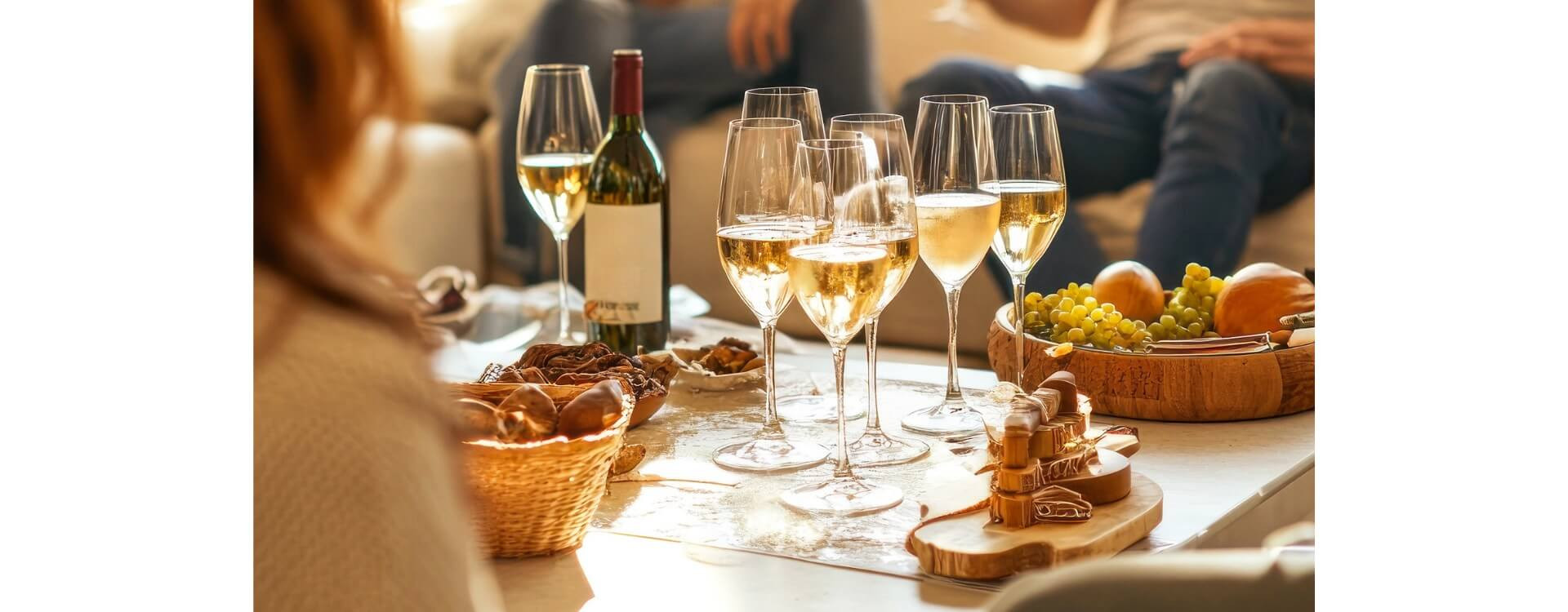
Yes, one bottle can carry a whole multi-course meal, as long as it stays fresh, low in tannin and easy on the palate. Here are the profiles that hold from aperitif to cheese, in white as well as red, and their limits.
What makes a wine able to follow a whole meal?
A wine able to follow several dishes shares three qualities: freshness, little or no tannin, and an aromatic profile that supports rather than overpowers. Freshness keeps the appetite going between bites.
The question comes up at every big meal: a formal dinner, a wedding, a festive lunch. Tannin, for its part, clashes with fish and with anything sweet, which quickly rules out powerful reds. A supple, easy-drinking style stays in the background and lets the table talk: that is the all-rounder wine we are after here.
Is a brut sparkling wine enough for the whole meal?
Yes, a brut sparkling wine is probably the most flexible choice for a full meal. Its bubbles and acidity refresh, its brut style stays dry, and it moves from the aperitif to the main course without a wrong note.
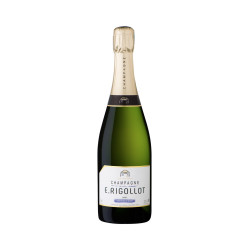
A champagne, especially a fine blanc de blancs, or a more affordable crémant fill this role beautifully. A crémant offers the same mechanism, often around 15 €. Serve it well chilled, between 6 and 8 °C.
Which white wine for the whole meal?
For a full meal, a dry, lively white is the safest bet: it moves from the aperitif to seafood starters and poultry without difficulty. Its tension stands up to cream sauces and to fish alike.
The whites of the Loire, made from chenin or sauvignon, are textbook examples: crisp, precise, never heavy. A dry Alsace white plays the same tune. Just avoid heavily oaked whites, which lose their drive as the meal goes on.
Our selection of wines for the whole meal: brut sparkling wines built to carry every course, straight from the winemakers, at estate prices. See the selection →
Which red wine for the whole meal?
A red can follow almost the whole meal, on one condition: it must stay light, low in tannin and served cool. A powerful, oaky red overwhelms the aperitif and turns awkward on fish.
Gamay from Beaujolais and pinot noir from Bourgogne tick every box: fruity, supple, thirst-quenching. Serve this kind of red at around 14 to 15 °C, never warmed up next to a radiator. A slight chill wakes up its fruit and makes it easier to match.
Where are the limits of a single wine?
The limit shows up at two moments: foie gras and chocolate dessert. No dry wine matches them as well as a wine made for the job.
Foie gras calls for a sweet contrast, which only a medium-sweet or sweet wine truly delivers. A brut sparkling or a dry white will do, but without the same obviousness. If foie gras matters to you, pour a glass of sweet wine for the starter.
Chocolate dessert raises the opposite problem: sugar and cocoa flatten a dry wine. Here a sweet wine, such as banyuls or maury, takes over. Keeping your main wine through dessert is still possible, provided you accept a pairing that stays in the background.
Which wine should you choose for your menu?
The right single wine depends on the dish that weighs most in your menu. Here are simple cues, moment by moment.
Aperitif and seafood starters: a brut sparkling or a lively Loire white open the meal with lightness.
Poultry, capon, turkey: a fuller dry white or a light red such as pinot noir work wonders.
Red meat and game: this is the only case where a slightly more structured red makes sense as the single wine.
Cheese: a lively white often does better than a tannic red, especially with blue cheeses.
Dessert: keep a glass of sweet wine aside as soon as chocolate is involved.
One wine for a whole meal is therefore possible, and often more relaxing than juggling several bottles. A brut sparkling or a lively white remain the safest bets, while a light red suits a menu that leans towards poultry and meat.
This holds for an everyday dinner as much as for a big festive or wedding meal. The real secret is not a rare bottle but a fresh, supple profile served at the right temperature.
The rest follows effortlessly, foie gras and chocolate dessert aside. Buying straight from the winemaker, in a short supply chain, also gets you a wine with character at the estate price.
Still unsure? Our sommeliers point you to the bottle that will hold your whole meal, straight from the winemakers. See the selection →
Frequently asked questions about one wine for a whole meal
Can a single wine really see a whole meal through?
Yes, as long as you pick a fresh, low-tannin wine. A brut sparkling or a dry, lively white adapt to most dishes, from the aperitif to the cheese.
Is a white or a red the better choice as the single wine?
A dry, lively white is the most flexible, since its freshness suits starters and poultry alike. A light red works too, especially if your menu makes room for meat.
Which wine should you choose for a meal with foie gras?
Foie gras pairs better with a medium-sweet wine. If you insist on one bottle, a brut sparkling will do, but pour a glass of sweet wine for the starter if you can.
Can a single wine work for a Christmas dinner or a wedding?
Yes, a brut sparkling or a lively white hold most festive menus. Just set aside a separate glass if the meal includes foie gras or a chocolate dessert.
At what temperature should you serve a single wine through the meal?
Serve a sparkling or a white between 6 and 10 °C, and a light red at around 14 to 15 °C. A slight chill makes the wine more supple and easier to match.