Delivery from €16,90 per winemaker in Europe (excluding the United Kingdom)

Unbeatable !
Everything you need to know about rosé wine
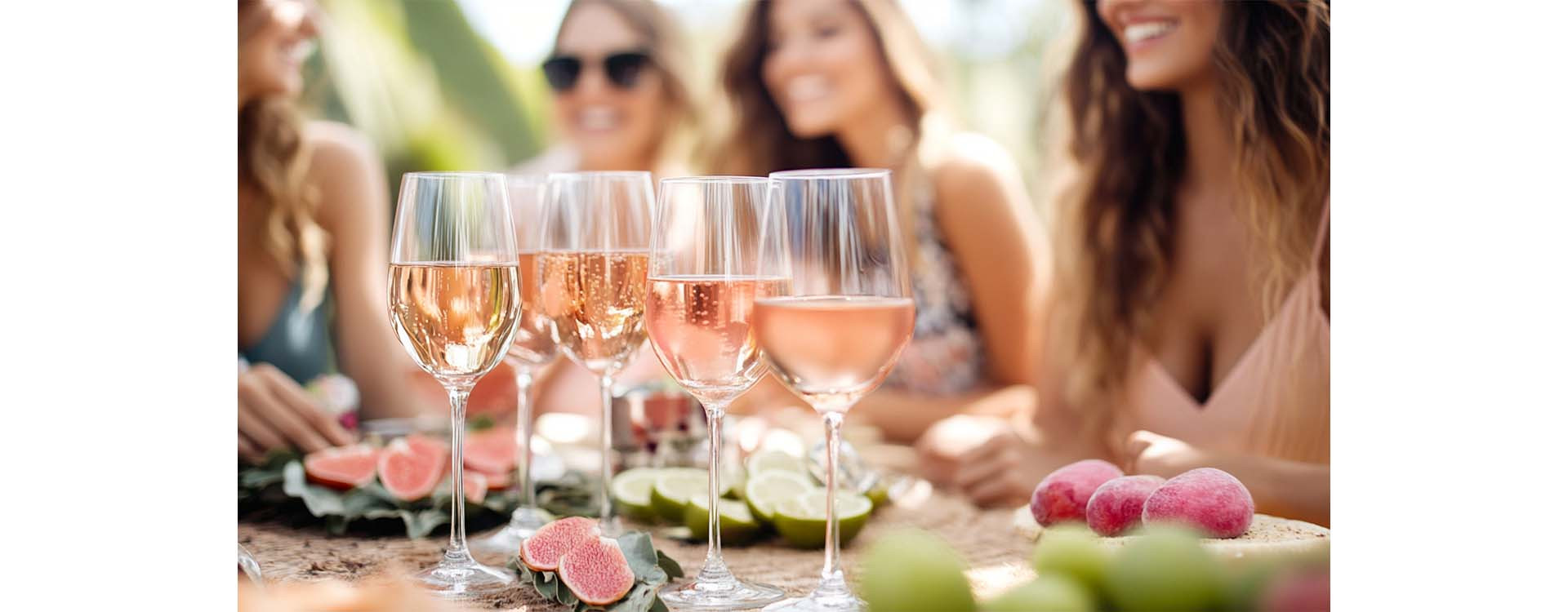
Everything you need to know about rosé wine: 7 myths examined
For many of us, spring means a glass of rosé on a sun-drenched terrace. But are you sure you know everything about this wine? Do you know why some rosés are pale while others are deep pink, and what the colour of a rosé actually tells you? Avenue des Vins takes a closer look at the most persistent myths surrounding rosé wine.
Our Rosé Wines Selection : Provence, Loire, Languedoc: grower rosés at estate price, shipped straight from the estate. See the selection →
7 myths about rosé wine: true or false ?
❌ FALSE - 1. Rosé is a blend of white and red wine
Completely false! Contrary to a persistent myth, rosé wine is never made by blending red and white wine. This practice is strictly prohibited across Europe, with the sole exception of Champagne, where Pinot Noir and Pinot Blanc are blended to produce rosé Champagne.
In reality, rosé wine is made from black-skinned grapes and gets its pink colour from the grape skins. The grapes used are red varieties with white juice. The pink colour develops during maceration, when the pulp and skins come into contact. For red wine, this process can last several days. For rosé, it lasts only a few hours. The choice of grape variety, such as Grenache or Cinsault, is decisive in achieving the desired colour and style.
✅ TRUE - 2. Rosé comes in several colours
Like its white and red counterparts, rosé wine comes in a wide range of hues. In fact, the colour spectrum of rosé is even broader than that of red or white wine: wine professionals identify 9 distinct shades, raspberry, redcurrant, onion skin, brick, marble, coral, salmon, rose wood and flesh.
The first 4 refer to deeper-coloured rosés produced through extended maceration, the saignée method. The other 5 describe pale hues produced by direct pressing after harvest: the white juice absorbs very little pigment from the black grape skins, which explains the delicate colour of a pressed rosé. Direct pressing is a critical step in achieving the desired starting colour while preserving the delicacy of the aromas.
❌ FALSE - 3. The paler the rosé, the lower the alcohol
Not at all! Some rosés are so pale they can be mistaken for white wine, or even water. But their alcohol content is no lower than that of a deep pink rosé. Alcoholic fermentation, the transformation of sugars into alcohol, takes place after maceration, independently of the colour obtained.
What colour does influence is the aromatic profile. A pale rosé typically delivers aromas of white-fleshed fruits (similar to white wine), while a deeper rosé releases aromas of cherry, blackberry, blackcurrant and raspberry, characteristics more typical of red wine. In some rosés, a malolactic fermentation also occurs, converting malic acid into lactic acid and adding more roundness and a softer texture on the palate.
✅ PARTLY TRUE - 4. Rosé wine is made from black grapes
Partly true! The colour of rosé wine is not the result of blending, nor of special grape varieties, but of a short maceration of red grape varieties with white juice. It is the skin of the black grapes that releases the colouring pigments during maceration, producing a palette ranging from pale pink to deep rose. The colour potential of each grape variety and the length of maceration allow the winemaker to achieve the desired shade. That said, some appellations permit the addition of white grape varieties in small quantities in the blend.
✅ TRUE - 5. Rosé wine is perfect for summer food pairings
True. Rosé is one of the most versatile wines at the table, pairing wonderfully with a wide variety of dishes: seafood platters, composed salads, white meats (chicken, turkey) and of course grilled meats at summer barbecues. Its freshness and red fruit notes make it the ideal companion for convivial meals in the sun. Provence rosés remain the world reference for pairings with Mediterranean cuisine.
✅ TRUE AND FALSE - 6. Rosé is a wine to drink young, but some can age
True and false! Most rosés are designed to be drunk within the year to preserve their freshness. However, some more structured cuvées, aged for several months on lees, develop complexity and an unexpected ageing potential. These rosés de garde surprise with their aromatic evolution over several years, particularly certain Bandol and Tavel rosés.
❌ FALSE - 7. Rosé is a recently invented wine
False! Long before rosé became the star of summer, winemakers in the Roman Empire were already practising short macerations to create light-coloured wines. These techniques, refined over the centuries, now produce elegant rosés rooted in a long historical tradition. The Conseil Interprofessionnel des Vins de Provence champions this expertise to defend the identity and quality of Provençal rosés, including the AOC Côtes de Provence appellation.
Our sommelier tip: when choosing your rosé, start with the colour, it tells you about the vinification method and the expected aromatic style. A pale rosé (direct pressing) = freshness and white flowers. A deeper rosé (saignée) = red fruits and structure. Neither is better than the other, it all depends on your taste and the occasion.
The two main rosé vinification methods
Two key methods are used to produce rosé wine in France:
Direct pressing - The black grapes are pressed immediately after harvest. Contact between the juice and the skins is very brief, producing pale, delicate rosés with floral aromas and white fruit notes. This is the dominant method in Provence.
The saignée method - A portion of the juice is "bled off" (saignée) from a red wine maceration tank after a few hours of skin contact. This produces deeper-coloured, more structured and more aromatic rosés. This method is widely used in the Languedoc, South-West France and the Loire Valley.
Our Rosé Wines Selection : Provence, Loire, Languedoc: grower rosés at estate price, shipped straight from the estate. See the selection →
Why buy your rosé directly from the grower ?
Rosé is France's most consumed wine in summer - and is most often bought in supermarkets, with no guarantee of freshness or traceability. At Avenue des Vins, every rosé is shipped directly from the grower's cellar at estate price. Guaranteed vintage freshness, no middleman pricing: that is the direct supply promise for your summer rosés.
Our Rosé Wines Selection : Provence, Loire, Languedoc: grower rosés at estate price, shipped straight from the estate. See the selection →
Frequently asked questions about rosé wine
How is rosé wine made?
Rosé wine is made from black-skinned grapes (red varieties with white juice) using two main methods: direct pressing (the grapes are pressed immediately after harvest, producing pale, fresh rosés) or the saignée method (a portion of the juice is bled off from a red wine maceration tank after a few hours of skin contact, producing more colourful, structured rosés). It is never made by blending white and red wine, this practice is prohibited in Europe.
Why are some rosés paler than others ?
The colour of a rosé depends on two main factors: the vinification method and the grape variety used. A rosé made by direct pressing will be pale because the juice is extracted quickly with minimal skin contact. A saignée rosé will be deeper as it benefits from several hours of maceration. The choice of grape variety (Grenache, Cinsault for pale robes; Syrah, Mourvèdre for deeper colours) also influences the final colour.
Does a pale rosé contain less alcohol than a deeper one ?
No. The colour of a rosé has no direct link to its alcohol content. Alcoholic fermentation, the conversion of sugars into alcohol, takes place after maceration, independently of the colour obtained. A pale Provence rosé can easily reach 13% ABV, just as much as a deeper Languedoc rosé. What changes with colour is the aromatic profile: pale rosés have white fruit and floral aromas, while deeper rosés offer red fruit aromas.
What are the best food pairings for rosé wine ?
Rosé is one of the most versatile wines at the table. Pale, fresh rosés (Provence, Loire) pair perfectly with seafood, grilled fish, composed salads and fresh cheeses. More structured, fruity rosés (Languedoc, South-West) are a natural match for grilled meats, white meats, tapas and spiced Mediterranean cuisine. A demi-sec rosé such as Cabernet d'Anjou can even accompany certain fruit-based desserts.
Can rosé wine be aged ?
Most rosés are designed to be consumed young (within 1 to 2 years of the vintage) to enjoy their freshness. However, some rosés de garde, particularly Bandol rosés (Mourvèdre dominant) and certain Tavel, can develop beautifully over 3 to 8 years in the cellar. These more structured cuvées, often aged on lees, develop complex aromas of candied fruit, spice and honey over time.
What is the difference between a Provence rosé and a Languedoc rosé ?
Provence rosé is generally paler (direct pressing, Grenache and Cinsault dominant), more refined and more mineral, with delicate aromas of white flowers and light red fruits. It is the world reference for elegant rosé. Languedoc rosé tends to be more generous, more colourful and fruitier, sometimes with more body and a beautiful substance on the palate. Both styles are excellent, the choice depends on your taste and the dishes you want to accompany.
Pale or deep, pressed or saignée, young or aged: rosé wine is far more complex and fascinating than most people realise. On Avenue des Vins, discover our selection of grower rosés, directly at estate price.


