Delivery from €16,90 per winemaker in Europe (excluding the United Kingdom)

Unbeatable !
What is a sulphite-free wine?
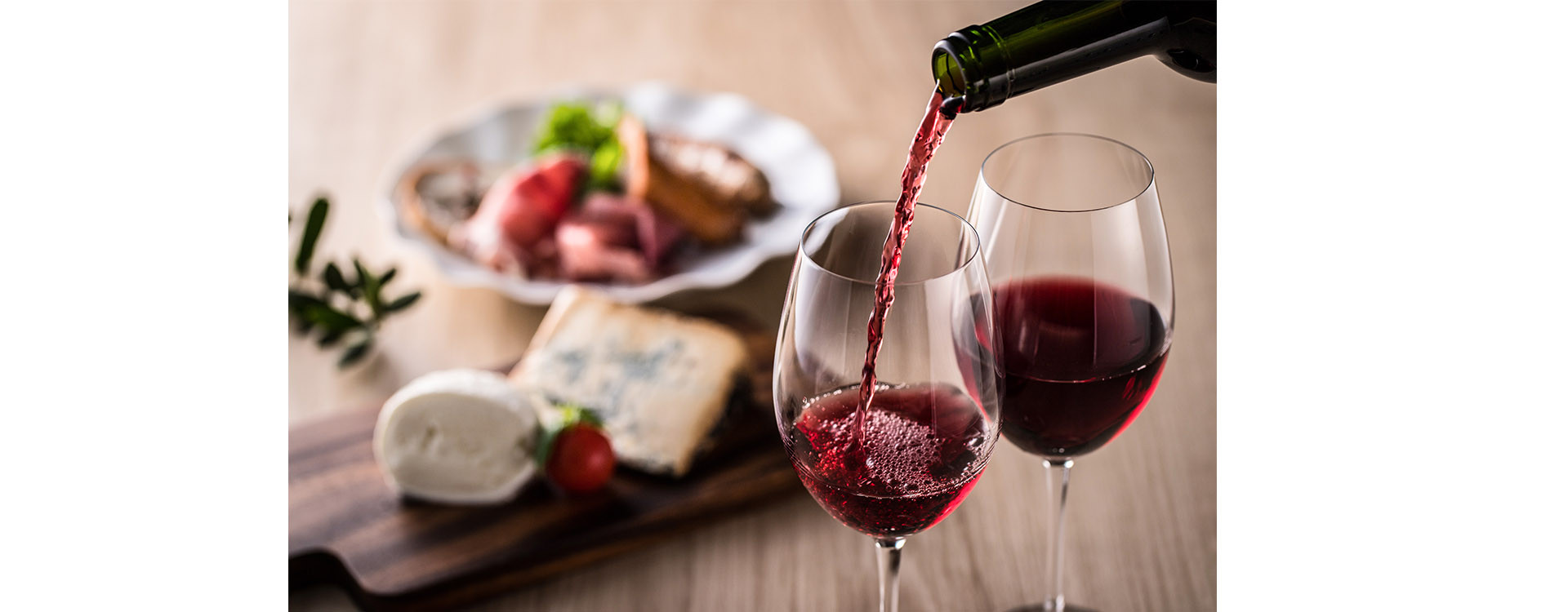
Sulphite-free wine: definition, differences from organic wine and how to choose
How do you tell a natural or sulphite-free wine apart from a conventional one? Organic wine, natural wine, wine without added sulphites: these terms are often confused, sometimes used as synonyms, yet they cover very different realities. Here is the complete guide to help you see clearly.
What is a sulphite-free wine
One must go back to the great vineyard workers' strikes of 1903 and 1904 to hear the term "natural wine" for the first time. At the time, the aim was to produce wine "without artificial processing". It was in the 1950s that the natural wine movement truly took off, with Jules Chauvet, a wine merchant and amateur chemist from the Beaujolais, as its spiritual father. But what exactly does it mean?
A natural wine is a wine without added sulphites, because sulphites are naturally present in wine. When grapes ferment, they produce sulphur dioxide (SO₂), our famous sulphite. Widely used in the food industry as a powerful antiseptic, SO₂ protects wine from oxidation and bacteria, but can be poorly tolerated by some sensitive individuals. A natural wine is therefore a wine to which no or very few additives such as sulphites are added during winemaking. While no official legislation has yet been passed, the Association des Vins Naturels states that a natural wine must be organic or biodynamic, vinified as naturally as possible.
Our Natural & Sulphite-free Wines : Natural, organic and biodynamic wines selected by our sommeliers, direct from the winemakers at estate price. See the selection →
Sulphite-free wine, natural wine, organic wine: what are the differences ?
When people talk about sulphite-free wine, natural wine, organic wine or biodynamic wine, it is easy to get lost. All these terms share a common philosophy, but they do not cover the same reality.
| Wine type | Sulphites permitted | Regulation | Certification |
|---|---|---|---|
| Conventional wine | Up to 150-200 mg/l | Standard EU regulation | None required |
| Organic wine | Reduced (max 100 mg/l) | Strict EU specification | AB, EU Organic Leaf |
| Biodynamic wine | Very low | Biodynamics + mandatory organic | Demeter, Biodyvin |
| Natural wine | Very low or zero | No official legal framework | Natural wine associations |
| Wine without added sulphites | Zero added (natural traces only) | Legal mention on label required | "No added sulphites" + <10 mg/l |
In practice: an organic wine still permits the addition of sulphites, simply at reduced levels. Natural wine goes further still, these are wines from grapes grown using organic or biodynamic agriculture, with minimal additives in the cellar, aiming to express the grape and the terroir with maximum authenticity.
How does a natural wine taste in the glass ?
At the tasting stage, it is quite a different experience. Many agree that you need to try it several times. If you detect an aftertaste of bad egg or stable, don't worry, these are reduction aromas caused by a lack of aeration. You may also feel a slight prickle when the wine hits your mouth, but there is no cause for alarm: this is perfectly normal. Some winemakers add CO₂ to protect their wines. To avoid these inconveniences, decant your wine and give it a gentle swirl.
Storage tip: a natural wine should be stored at a maximum temperature of 15°C. Since it is not stabilised by additives, temperatures that are too high could reactivate fermentation and alter its aromas.
Does sulphite-free wine really reduce headaches ?
A question that comes up repeatedly: does sulphite-free wine prevent headaches after tasting? Sulphites can indeed be poorly tolerated by sensitive or allergic individuals, but they are not the only culprits. Alcohol itself, dehydration and the presence of biogenic amines, nitrogen compounds that appear during certain fermentations, may also play a role. In practice, many enthusiasts find that a well-made natural wine is easier on the system, but the key remains moderation, hydration and the quality of the wine.
How to recognise a genuine sulphite-free wine ?
To choose a bottle of natural wine wisely, you need to look beyond marketing labels. Several elements can guide you:
- ✓ The mention "no added sulphites" or "contains less than 10 mg/l SO₂" on the label.
- ✓ The presence of organic or biodynamic logos (AB, EU Organic Leaf, Demeter…) certifying that it is an organic or biodynamic wine.
- ✓ A detailed explanation of the estate's approach on the back label: hand harvesting, indigenous yeasts, no wood chips, long ageing.
- ✓ Some winemakers choose appellations from lesser-known terroirs, or declassify their wine as Vin de France to gain greater freedom in winemaking.
What does a sulphite-free wine taste like ?
A well-made sulphite-free wine is not designed to stand out through unusual winemaking, nor to taste fundamentally different from a conventional wine. In practice, however, natural wines often offer great drinkability, very pure fruit and a particular energy on the palate. To form your own opinion, try a blind tasting with friends comparing a classic wine and a sulphite-free wine. Some may show more pronounced reduction notes or a slight prickle on opening, that is where aeration plays a key role.
Why buy your sulphite-free wines direct from the producer ?
Winemakers who produce natural and sulphite-free wines typically work small plots, with deliberately limited yields and artisanal methods that require more time and care. These cuvées are rarely available through mainstream distribution channels. On our marketplace, you access these wines directly at estate price, the same price as buying from the cellar, with no intermediary. It is also a tangible way to support winemakers committed to responsible viticulture.
Our Natural & Sulphite-free Wines : Natural, organic and biodynamic wines selected by our sommeliers, direct from the winemakers at estate price. See the selection →
Frequently asked questions about sulphite-free wine
Do all wines contain sulphites ?
Yes, all wines naturally contain a small quantity of sulphites (SO₂), produced during alcoholic fermentation. It is therefore impossible to produce a wine that is completely free of sulphites. When we speak of "sulphite-free wine", we actually mean a wine without added sulphites during winemaking or bottling. The corresponding legal mention on the label is "no added sulphites" or "contains less than 10 mg/l total SO₂".
Does a sulphite-free wine keep for less time ?
Generally yes. Sulphites act as an antiseptic and antioxidant in wine, they protect it against bacteria, oxidation and refermentation. Without these protections, natural wines are more fragile and must be stored in good conditions: cool and stable temperature (ideally between 10 and 15°C), away from light and vibrations. Most natural wines are designed to be consumed within 2 to 5 years of their vintage.
What is the difference between a natural wine and a vegan wine ?
These are two distinct concepts. A vegan wine is one made without animal-derived products during fining and clarification (no casein from milk, no egg white, no isinglass or gelatine). A natural wine aims to minimise all additives during winemaking, including sulphites. A wine can be both natural and vegan, but this is not automatic: some natural wines use egg whites for clarification.
Is sulphite-free wine better for your health ?
It is more accurate to say that it is better tolerated by people who are sensitive to sulphites, who may experience headaches, nausea or allergic reactions. For the general population, the sulphites present in wine do not pose a problem at normal levels. It is worth noting that many everyday foods (cured meats, aged cheeses, dried fruits) contain far higher sulphite levels than wine. The watchword remains moderation, whatever the type of wine.
How do you start exploring natural wines without being disappointed ?
Start with well-crafted natural wines from recognised winemakers, recommended by specialist wine merchants or selective marketplaces. Always decant your first natural wines 30 to 60 minutes before tasting to dispel any reduction aromas. Choose recent vintages to begin, and progress towards more complex profiles as your experience grows. The ideal setting is to enjoy them during a meal rather than as a stand-alone aperitif, food balances and often reveals the best in a natural wine.
On Avenue des Vins, you will find organic, biodynamic, natural and sulphite-free wines from across the French wine regions. Our mission is to offer you clean, sincere wines, made with minimal additives, while remaining stable and enjoyable to drink. Start the adventure without delay with our selection.
Our nuggets

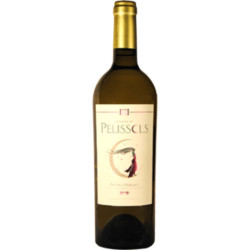












Le Vin NU "sans sulfites ajoutés" - AOC Bergerac Rouge 2024 BIO
Les Vignerons de Sigoulès
Sud Ouest
€7.70