Delivery from €16,90 per winemaker in Europe (excluding the United Kingdom)
-
- Great Offers
-
Our wines
-
-
All the wines
-
-
All Regions
-
-
-
Buying according to our desires
-
-
-
Our organic & natural wines
-
-
-
Organic and naturals Winemakers
-
-
-
Our Champagnes & Spirits
-
-
All Champagnes
-
-
Spirits
-
All the spirits
-
-
-
Our winemakers
-
-
-
winemakers
-
-
- Guide me
-
Our advice and selections
-
-
Find your wine
-
-
-
-
- Our commitment

-
- Great Offers
-
Our wines
-
-
All the wines
-
-
All Regions
-
-
-
Buying according to our desires
-
-
-
Our organic & natural wines
-
-
-
Organic and naturals Winemakers
-
-
-
Our Champagnes & Spirits
-
-
All Champagnes
-
-
Spirits
-
All the spirits
-
-
-
Our winemakers
-
-
-
winemakers
-
-
- Guide me
-
Our advice and selections
-
-
Find your wine
-
-
-
-
- Our commitment
Filtrer
Grape variety : Poulsard
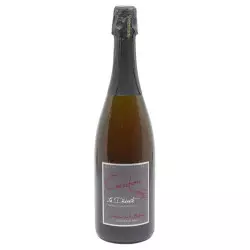
Poulsard: a delicate red grape of the Jura
Poulsard, also known as Ploussard, is an emblematic red grape of the Jura region in France. Known for its thin skin and its ability to produce light, aromatic and delicate wines, Poulsard is a variety that intrigues with its unique character and its distinctive features. Prized by lovers of authentic wines, this grape offers a particular tasting experience thanks to its finesse and its complexity. Follow this guide to discover the origins of Poulsard, its aromatic characteristics and its favored terroirs, and explore the best food pairings to enjoy with a bottle of red or rosé wine made from Poulsard.
Poulsard at a glance
- Color: very pale-skinned red grape
- Origin: native to the Jura (and Bugey)
- Regions: Jura: Arbois, Côtes du Jura and Arbois-Pupillin AOCs; also Bugey (Cerdon)
- Profile: very pale, light color; red fruits (wild strawberry, cherry, raspberry), flowers and spice; supple tannins, lively acidity
- Serving temperature: red 12 to 14 °C, rosé 8 to 10 °C
- Cellaring: mostly drunk young; reds can gain complexity with age
Description and Origins of Poulsard
Poulsard is a grape variety native to the Jura and the Bugey, in eastern France. The first mentions of this grape in the region date back to the Middle Ages, and Poulsard is still mainly grown in this region today. Poulsard, sometimes called Ploussard, is prized for its ability to adapt to the specific climatic and geological conditions of the Jura, producing wines that express their terroir perfectly. Its thin skin and small berries make it a delicate grape, often used to make light red wines of very pale color, as well as fresh rosés.
The Main Terroirs Where Poulsard Is Grown
Poulsard finds its purest expression in the vineyards of the Jura, notably in the Arbois, Côtes du Jura and Arbois-Pupillin appellations. These terroirs enjoy a continental climate with cold winters and hot summers, ideal for the slow, steady ripening of Poulsard. The soils of the Jura, made up mainly of blue marls, limestone and gravel, offer optimal conditions for this grape. In the Arbois appellation, Poulsard is often vinified as a single-varietal wine, which lets you discover all the subtlety and complexity of its aromas. Outside the Jura, it is grown only very rarely, with the exception of the Bugey (a neighboring region), where it sometimes takes part in red and rosé wines and in the famous Cerdon du Bugey (a sparkling rosé made by the ancestral method).
Aromatic Characteristics of Poulsard
Poulsard’s Character in a Red Wine:
Appearance: Red wines made from Poulsard show a very pale color, often described as “onion skin” or “light red,” with orange or pink highlights.
Nose: Delicate and complex, the nose of red Poulsard wines reveals aromas of small red fruits such as wild strawberry, cherry and raspberry. There are also floral notes of rose and peony, along with spicy, earthy, even animal nuances.
Palate: Red Poulsard is light, fresh and elegant, with supple tannins and lively acidity. The flavors of fresh red fruits carry through to a subtle, lingering finish.
Poulsard’s Character in a Rosé Wine:
Appearance: Rosé wines made from Poulsard have a pale pink, almost translucent color, with salmon highlights.
Nose: The nose is expressive and charming, revealing aromas of fresh red fruits such as strawberry, raspberry and redcurrant, rounded out by light floral notes and spicy nuances (white pepper).
Palate: Rosé Poulsard is lively and thirst-quenching, with marked acidity that brings lovely freshness. The fruity and floral flavors balance harmoniously, offering a clean, refreshing finish.
The Best Food Pairings with Poulsard
Follow all our tips for the best food pairings with a bottle of red or rosé wine made from Poulsard:
With a morbiflette (a tartiflette made with Morbier cheese), bring a touch of freshness with a Jura rosé from an estate or château in AOC Arbois. Jura rosés made from Poulsard develop notes of fresh fruit, white pepper and spice in a lively, fleshy mouthfeel.
For a regional pairing with lentils and salt pork or Morteau sausage, do not hesitate to open a bottle of red wine from an estate or château in AOC Côtes-du-Jura. Its intense aromas of red fruits, flowers (peony) and spice, along with its “animal” notes, bring depth to these traditional recipes.
For an original pairing with a red-fruit dessert such as a raspberry tart, let yourself be tempted by a sparkling rosé from a château or estate in AOC Cerdon du Bugey made from Poulsard. This sparkling wine, made by the ancestral method, reveals aromas of red fruits (raspberry, redcurrant, strawberry) and an airy, lightly sweet palate.
Whether you want to enjoy a delicious bottle of red Jura wine in AOC Arbois or try a rosé from an AOC Côtes-du-Jura estate made from Poulsard as an aperitif, discover our selection at Avenue des Vins. Whether you are looking for a red or rosé made from Poulsard or any other wine, we are sure to have the bottle you need! On our online shop, all our wines are available for home delivery straight from the estate or château of your choice, and at the best value for money!
Poulsard, a Pale Red from the Jura
Poulsard, also spelled Ploussard, is one of the emblematic grapes of the Jura. Its thin skin and small berries give wines that are remarkably pale in color, light-bodied and low in tannin: reds so delicate they can look almost like a rosé in the glass. It is a grape to seek out among the lighter, more delicate red wines, and in the Jura it is at its finest in appellations such as AOC Arbois. Rarely planted outside the Jura, it also appears in the neighboring Bugey, where it lends its red fruit to rosé wines and to the sparkling Cerdon made by the ancestral method.
Serving and Cellaring a Poulsard Wine
Red Poulsard is best served lightly chilled, between 12 and 14 °C, to bring out all its finesse and freshness. Rosé Poulsard is poured cooler still, between 8 and 10 °C, to highlight its liveliness and aromatic freshness. Among our Jura wines, these are some of the most delicate bottles, as much at home as an aperitif as at the table.
On cellaring, red Poulsard is most often enjoyed young, for its fruit and its freshness, but depending on the estate and the vintage it can develop more complex aromas and a more velvety texture with age. Rosé Poulsard, for its part, is generally made for early drinking, within one to two years of the harvest, to enjoy its fruit and its freshness at their peak.
Frequently asked questions about Poulsard
Is Poulsard a red grape?
Yes. Poulsard, also spelled Ploussard, is a red grape native to the Jura, made into both light red wines and fresh rosés. Its thin skin and small berries give delicate, very pale-colored wines with supple tannins.
What does a Poulsard wine taste like?
A red Poulsard has a very pale, onion-skin color and a delicate, complex nose of small red fruits (wild strawberry, cherry, raspberry), flowers (rose, peony) and spice. On the palate it is light, fresh and elegant, with supple tannins and lively acidity.
Where is Poulsard grown?
Poulsard is grown almost entirely in the Jura, notably in the Arbois, Côtes du Jura and Arbois-Pupillin appellations. Outside the Jura it is rare, with the exception of the neighboring Bugey, where it also goes into the sparkling Cerdon du Bugey.
At what temperature should you serve Poulsard?
Serve a red Poulsard between 12 and 14 °C and a rosé Poulsard between 8 and 10 °C. Lightly chilled, the wine keeps all its finesse, freshness and aromatic delicacy.