Delivery from €16,90 per winemaker in Europe (excluding the United Kingdom)

Unbeatable !
Wine production: what are the constraints involved in switching to organic farming?
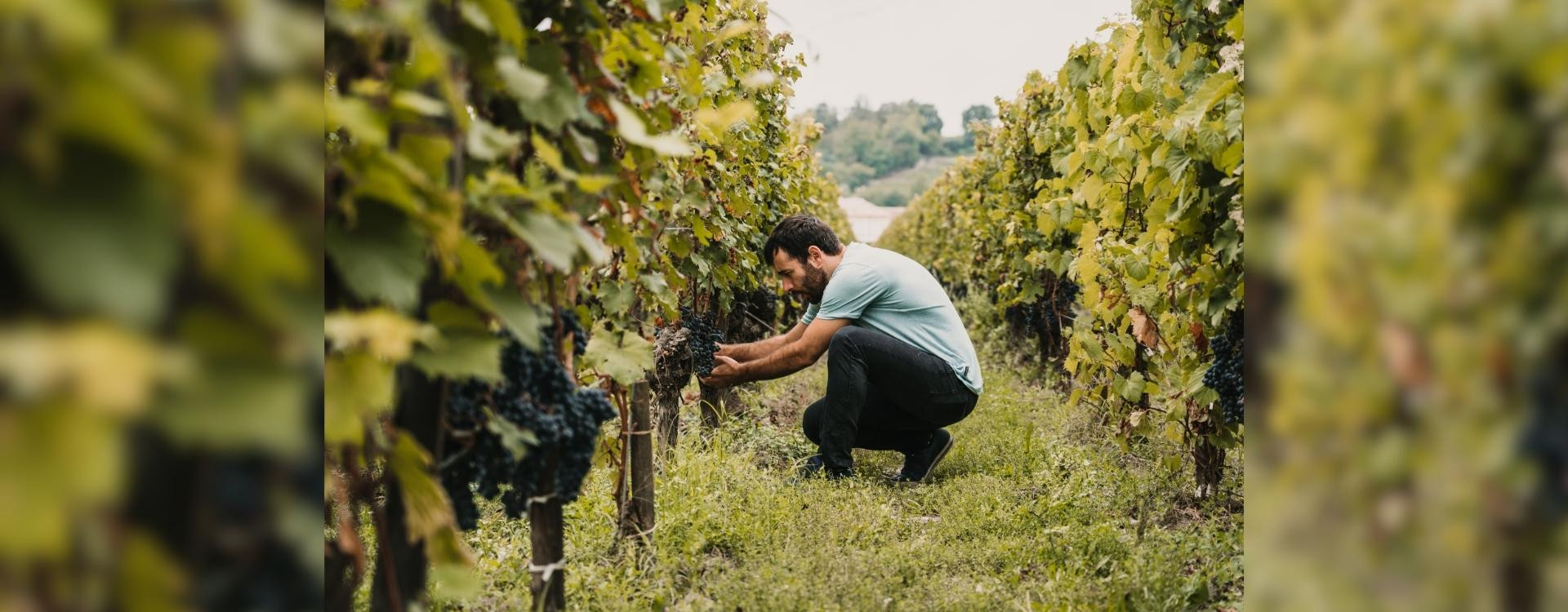
WHAT ARE THE CHALLENGES OF TRANSITIONING TO ORGANIC WINE PRODUCTION?
In response to numerous issues associated with "conventional agriculture," organic farming is experiencing unprecedented growth, and viticulture is particularly affected. According to the 2021 Sowine/Dynadata barometer, 67% of French people check if a bottle is organic before buying. The result? Organic wine bottles are increasingly found in both wine shops and supermarkets.
But how does this transition impact our winemakers and producers? What commitments lie behind organic certifications? What model are you supporting when you buy a bottle of organic wine?
What Does the Organic Wine Market in France Represent?
According to the latest study by the IWSR (Institute of Wine and Spirit Research), France was set to become the largest consumer market for organic wines and the second-largest producer market in 2019. At that time, one in three French people consumed organic wine. Since then, the trend has accelerated further and has been more resilient to the crisis than conventional wines.
In numbers, the organic wine market remains minor in value but is growing rapidly. In 2019, it reached the staggering figure of 1.5 billion euros (around 11% of French wine production). At that time, almost as many winemakers were transitioning to organic farming, and the French taste for organic was just beginning. Organic is undeniably a future market for French winemakers.
Our Favourites Wines Selection : Support committed winegrowers: our organic and in-conversion wines, straight from the estate at grower-direct prices. See the selection →
Why Switch to Organic, and What Are the Benefits?
Organic is a future choice. It is a very promising market that is more resilient to crises. French and international demand is increasing, and average prices are higher. Organic wine is an asset that helps stand out in an increasingly competitive market, secure a loyal customer base, and potentially increase prices for fairer remuneration. Indeed, the French are willing to pay more for a bottle from organic farming.
Beyond this financial and marketing advantage, the transition to organic can also reflect a personal commitment from the winemaker. Committing to organic goes beyond sustainable agriculture. It means choosing not to use chemical phytosanitary products. Many winemakers, close to the land, see organic labels as a reward for their vineyard management philosophy.
This brings us to a third and final advantage: soil quality. Numerous studies have shown that using chemical products can significantly impoverish soils and create more problems than solutions. Facing the very visible consequences after several years of intensive farming, many winemakers turn to organic (or biodynamic) farming to rejuvenate their soils and vineyards.
Transitioning to Organic: A Multi-step Project
From the winemaker's perspective, converting to organic involves an adaptation period for both the producer and the vineyard ecosystem. Stopping chemical phytosanitary products will initially create imbalances in the vineyard's usual practices. The winemaker will no longer have access to usual products and must rely more on preventive actions and be attentive to the vine's life. This life will also experience disturbances before stabilizing again.
Therefore, the transition process takes three years before the estate can label its bottles as organic. It's worth noting that some winemakers do not convert all their plots simultaneously to ensure the economic continuity of their production.
From the first year, the winemaker must adhere to the label's rules (the most well-known being the European label, the AB label). Only organic inputs are allowed according to strict specifications. Only after three years, meaning the fourth harvest after the transition, are the natural cycles considered complete. The wines are certified, allowing the mention that the grapes are from organic farming. Recently, winemakers in transition can indicate "conversion to organic farming" during the second and third harvest years.
Getting Help with the Organic Transition
Besides the administrative efforts, the transition to organic also requires investments and a radical change in practices. To support winemakers, several organizations offer support networks and training, particularly regional agricultural chambers.
These training sessions raise awareness of the authorized organic inputs, their functioning, and the important points to consider during the change. They also educate about different plants and soil work that enable vineyard management without chemical inputs.
These aids emphasize meticulous and regular attention, reactivity, the necessary equipment and authorized organic products, as well as vineyard coverage, which are essential for successful organic conversion.
These efforts are significant and mark a real commitment to biodiversity and a bet on the future. Despite this, at Avenuedesvins, we notice that a growing number of winemakers are volunteering for the transition. We invite you to discover their stories and journeys through our producer profiles and winemaker portraits. The journey to organic is also, and above all, a return to the vineyard, a desire to reconnect with nature, and the winemakers who work it daily.
Our Favourites Wines Selection : Support committed winegrowers: our organic and in-conversion wines, straight from the estate at grower-direct prices. See the selection →
FAQ - Production constraints
How long does the organic conversion of a vineyard take?
The conversion runs over three years. Only at the fourth harvest after the transition begins are the natural cycles considered complete, allowing the wines to carry organic certification.
What is the main organic wine label in France?
The best-known is the European AB label (Agriculture Biologique). From the very first year, the winegrower must follow its specifications and use only authorised organic inputs.
Can you sell wine during the organic conversion period?
Yes. For a few years now, a winegrower can state conversion to organic farming on the bottles from the second and third harvest years, before full certification is granted.
Why does organic wine often cost more?
Going organic requires more labour, investment and the end of chemical phytosanitary products. Since consumers say they are willing to pay more, the winegrower can aim for fairer remuneration.
Who can support a winegrower through the organic transition?
Several organisations offer support networks and training, in particular regional agricultural chambers. They raise awareness of authorised organic inputs and of the soil work suited to the vine.


