Delivery from €16,90 per winemaker in Europe (excluding the United Kingdom)

Unbeatable !
The place of women in the world of wine
On March 8, we celebrate, as every year, International Women's Rights Day, which aims to fight against gender inequalities.
While prejudice remains persistent in many areas, the world of wine is no exception. Have you never heard phrases like "wine is a man's business" or "it's a woman's wine"? Well, know that in recent years, things have been changing in the wine and vineyard industry. Indeed, many talented women are increasingly demonstrating each year that one can be a negotiator, winemaker, sommelier, cellar master, or wine merchant. Careers in wine are no longer reserved for men, and women are beginning to receive the recognition they deserve. However, although mindsets are changing, there is still a long way to go before we can speak of true equality...
The History of Women in the World of Wine
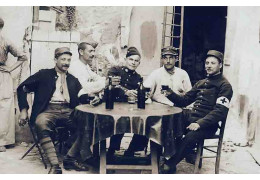
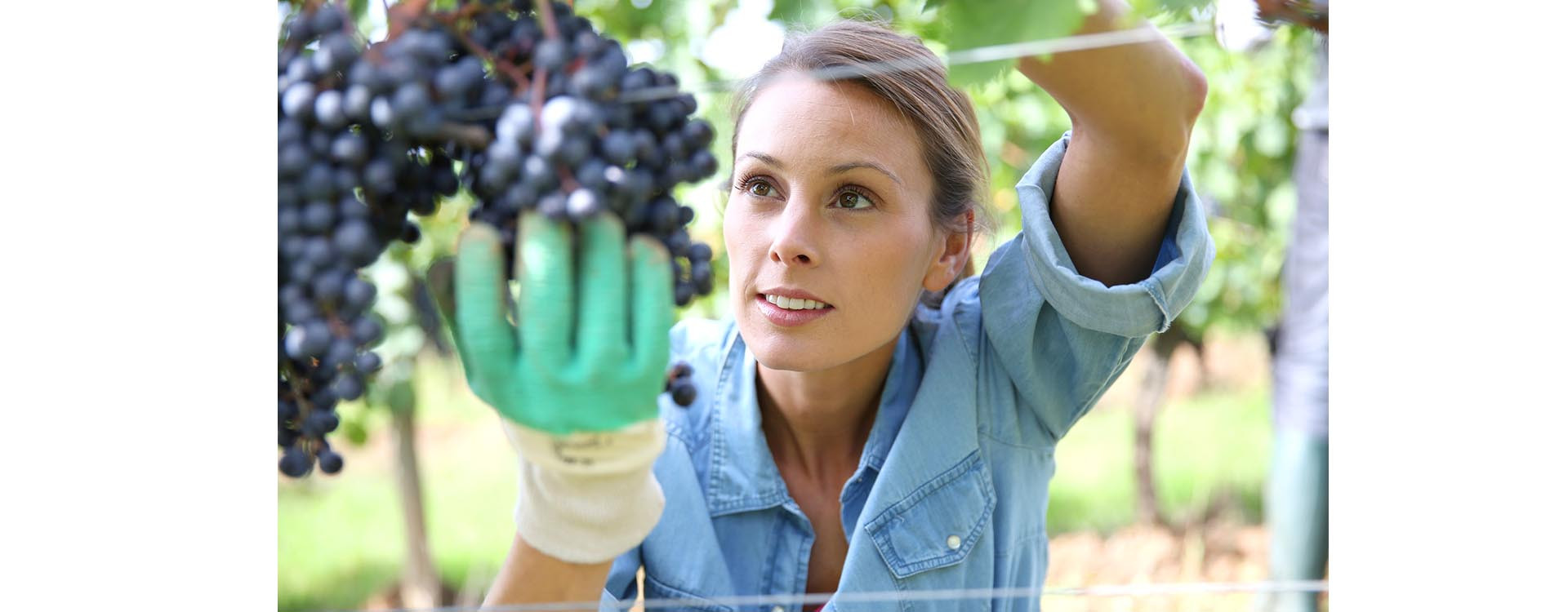
Throughout history, women have actively contributed to the proper functioning of the world of wine. Unfortunately, women's roles have often been limited to working in the vineyard (typically grape harvesting), without participating in more technical tasks reserved for men, such as winemaking (vinification, blending, etc.). This division of labor adds to the rather unclear status of women within the field. Indeed, they were very rarely owners, employees, or partners, but rather confined to their roles as wives, mothers, or daughters of winemakers, contributing to the lack of recognition of women's knowledge in the winemaking process. Additionally, estates and châteaux were long inherited from father to son, which resulted in keeping winemaker's daughters away from the family wine heritage and only employing them in secondary roles. It wasn’t until the end of the 20th century that women began to head wine estates; despite a few exceptions like the Veuve Clicquot. Thanks to her strong character and sharp business sense, this young woman, barely 27, took over the family property and made it one of the greatest champagne houses. Another famous widow, Joséphine de Lur-Saluces, propelled her estate to the pantheon of wines when she took over Château d’Yquem in 1788.
Women and Wine Today
While the world of wine was once reserved for men, the titles of "negotiant," "sommelier," "cellar master," and "winemaker" are now also used in the feminine! Since the 1970s, women have emerged from the shadow of their fathers or husbands and are raising their voices to be recognized as undeniable players in the wine industry. Gone are the "no ladies allowed" signs at the entrance of some estates! To this day, the wine sector continues to evolve, and more and more women are distinguishing themselves through their talent. This is notably the case with Pascaline Lepeltier, named "Best Sommelier in France", a title whose prestige is only missing a grammatical agreement. At the same time, she was also named Personality of the Year by La Revue du vin de France in 2019, the first woman to receive this distinction, and a French candidate for the next World’s Best Sommelier competition in February 2023 (after winning the preliminary round against five other candidates). Although women remain a minority in the wine professions (they represent only one out of four oenologists and 31% of vineyard operators or co-operators), a significant change is already underway: women now represent 50 to 60% of new graduates in oenology and are increasingly embarking on the wine adventure. As consumers, they are also leading the way, as contrary to popular belief, women are the largest consumers of wine in France, accounting for nearly 65% of wine purchases! And this is not limited to large-scale retail, as a study by the union of wine merchants shows that women now represent 50.8% of buyers. So, do you still think wine is a man's business?
At Avenue des Vins, we are committed to highlighting all the women who contribute to the creation of our finest bottles of wine. Discover the vintages from our female winemakers, cellar masters, and oenologists through our extensive selection of red wines, white wines, rosés, and champagnes directly from the château or estate of your choice.
Our 100% Women-Led Estates Selection : Cuvées crafted by women winemakers, shipped straight from the estate at the grower's own price. See the selection →
FAQ - Women and wine
Who was the Veuve Clicquot?
Barbe-Nicole Clicquot Ponsardin took over the family estate at just 27 after being widowed. With a sharp business sense, she turned it into one of the greatest champagne houses at a time when women rarely ran a wine estate.
What share of French winemakers are women?
Women now account for roughly 31% of vineyard operators or co-operators and one oenologist in four in France. The shift is accelerating, as they make up 50 to 60% of new oenology graduates.
Has a woman ever been named Best Sommelier in France?
Yes. Pascaline Lepeltier was named Best Sommelier in France and Personality of the Year by La Revue du vin de France in 2019, a first for a woman. She also represented France at the World's Best Sommelier competition.
Do women buy more wine than men?
Contrary to popular belief, women are the largest wine consumers in France, accounting for nearly 65% of bottles purchased. A study by the wine merchants' union also found they represent 50.8% of buyers at independent wine shops.
What is a 100% female-run estate?
It is an estate where women craft the wine from vine to cellar: winemakers, cellar masters and oenologists. Our selection brings together their cuvées, shipped straight from the estate at the price set by the winemaker.