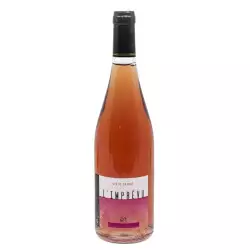
- Bio


Savoie rosé wines charm with their alpine freshness and natural fruitiness: Gamay and Pinot Noir vinified into light, lively rosés—fresh, easy-drinking wines that are perfect for an aperitif on a high-altitude terrace, Savoie charcuterie, and convivial mountain meals. Discover our Savoie red wines and Savoie white wines as well.
Filtrer
Savoie rosé wines are the great overlooked gems of a region more commonly associated with its fresh whites or its Mondeuse. Yet these Alpine rosés occupy a very distinctive niche in the French wine landscape: light, lively and fruity wines that capture the natural freshness of the Alps and fit seamlessly into mountain cuisine.
Neither the pale rosés of Provence nor the fuller-bodied rosés of Languedoc, Savoie rosés have their own discreet and authentic style, shaped by Gamay, Pinot Noir and, in a few extremely rare cuvées, Mondeuse vinified as rosé.
On Avenue des Vins, our selection of Savoie rosé wines is available through short supply chains, directly from Alpine winemakers’ cellars. Each bottle is shipped by the estate itself, guaranteeing freshness, traceability and fair pricing.
To help you choose quickly, here are the four profiles available direct from the producer on Avenue des Vins:
| Profile sought | Our recommendation |
|---|---|
| A light rosé for aperitifs | A Savoie Gamay rosé: wild strawberry, raspberry, very fresh, the ideal Alpine aperitif. |
| An elegant rosé for meals | A Savoie Pinot Noir rosé: more structured, with rose and strawberry aromas, and broad food-pairing potential. |
| An original rosé to discover | A Mondeuse rosé from a confidential estate: unique, expressive, and almost impossible to find outside the region. |
| A rosé for Savoyard dishes | A Gamay-Pinot blend from an independent winemaker: Savoyard typicity and mountain freshness. |
These rosés are produced in very small quantities by independent Savoyard winemakers and are rarely available outside their region of origin. By purchasing on Avenue des Vins, you gain direct access to them at cellar-door prices.
Savoie rosés are few in number, but they cover several distinct styles depending on the dominant grape variety. Here are the key reference points:
| Occasion | Recommended rosé |
|---|---|
| Aperitif or light meal | A Savoie Gamay rosé: light, very fruity and very fresh, the mountain rosé for any moment. |
| Savoyard cuisine and fondue | A fresh Savoie rosé made from Gamay or Pinot Noir: its freshness and lightness bring perfect balance to the richness of melted cheeses. |
| Summer meals and light grilled dishes | A Savoie Pinot Noir rosé: more structured and elegant, perfect with grilled poultry and mixed salads. |
| Discovering an Alpine rosé | A Mondeuse rosé (rare): a more intense and original expression, for lovers of authentic terroir wines. |
Tip: if you find Provence rosés too light or too neutral, Savoie rosés offer more fruity personality and natural freshness linked to altitude, while remaining light and dry.
| Criteria | Light style | Balanced style | Original style |
|---|---|---|---|
| Style | Light and fruity | Balanced and fresh | Expressive and original |
| Dominant grape variety | Gamay | Pinot Noir | Mondeuse (rare) |
| Best for | Aperitifs, fondue | Grilled dishes, salads | Characterful meals |
| Budget | Profile | What you will find |
|---|---|---|
| Under €10 | Fresh and convivial | Savoie Gamay rosé: light, fruity, perfect for mountain aperitifs and Savoyard meals. |
| €10 to €18 | Expressive and typified | Pinot Noir rosé or a Gamay-Pinot blend: more structure and broader gastronomic pairing potential. |
| Over €18 | Original and confidential | Mondeuse rosé from a top estate: a rare, original cuvée almost impossible to find outside the region. |
The answer comes down to one word: altitude. Savoyard vineyards are tucked away in the Alps, far from the main commercial wine routes. Production volumes are tiny, just a few tens of thousands of bottles a year for the entire regional vineyard, compared with millions in Provence or Languedoc. Savoyard winemakers sell most of their production locally, to ski resort restaurants, hotels, and directly from the cellar to holidaymakers.
The result: these exceptional rosés, remarkable for their freshness and authenticity, almost never leave the region. Wine lovers in Paris, Lyon or Bordeaux often simply do not know them. That is exactly where Avenue des Vins’ direct model makes the difference: by sourcing these cuvées at the origin and offering them at estate prices throughout France.
Gamay is the main grape variety used for Savoie rosés. Vinified as rosé, it produces very light, very fruity and very fresh wines, with expressive aromas of wild strawberry, raspberry and bright cherry. Its natural freshness makes it the ideal wine for convivial meals on high-altitude terraces. These rosés are best enjoyed young and very well chilled, between 6 and 8°C.
Savoyard Pinot Noir produces finer, more elegant rosés than Gamay, with more precise aromas of strawberry, grenadine and fresh rose, and a light structure that allows them to pair with more ambitious dishes. These rosés are reminiscent of certain Burgundy rosés, but with Savoie’s Alpine signature.
A few Savoyard winemakers vinify Mondeuse Noire as rosé, creating more deeply coloured and more aromatic wines with distinctive spicy and peppery notes. These extremely rare cuvées are among the most original experiences the Savoie vineyard can offer curious wine lovers.
Savoie rosés benefit from altitude and Alpine freshness. Cool mountain nights preserve the grapes’ natural acidity, ensuring rosés that are always lively, precise and highly drinkable. This Alpine characteristic fundamentally sets Savoie rosés apart from southern rosés, less accumulated sunshine, more aromatic freshness and more tension on the palate. It is a style of rosé that Provence cannot imitate.
A light Savoie rosé pairs perfectly with Savoyard charcuterie: cold diots sausages, smoked sausages and Savoie cured ham. With Savoyard fondue, rosé brings freshness and lightness to counter the richness of melted cheese, cleansing the palate between bites without weighing down the meal. The same applies to raclette: a lively, light rosé naturally balances the richness of cheese and potatoes.
Terrace meals in Savoie, mixed salads, bacon quiches, chicken skewers, naturally call for a fresh, light rosé. Its Alpine freshness and red-fruit aromas make it an ideal companion for long summer meals in the mountains. Lake fish dishes, smoked trout, perch fillets, also pair beautifully with a lively Savoie rosé. Each bottle is shipped directly from the winemaker’s cellar.
Savoie rosés are produced by small independent winemakers in very limited quantities. These authentic cuvées, crafted at altitude by winegrowing families often for several generations, have no national distribution, they remain at the cellar or are sold locally to restaurants and tourists.
Discover our Savoie rosés and treat yourself to the pleasure of an authentic Alpine rosé, directly from the winemaker to your table.
Here is the summary at a glance to help you choose without making a mistake:
| You are looking for | Choose |
|---|---|
| For aperitifs | A Gamay rosé: light, fresh, fruity, perfect on its own or with Savoyard charcuterie. |
| For a meal | A Pinot Noir rosé: more structured, it stands up well to grilled dishes and everyday meals. |
| For discovery | A Mondeuse rosé: rare and original, the most authentic Alpine experience. |
The main grape varieties are Gamay (dominant), Pinot Noir and, more rarely, Mondeuse Noire. The vast majority of Savoie rosés are made from Gamay, either on its own or blended with Pinot Noir.
Provence rosés are made from Grenache and Cinsault in a warm Mediterranean climate, producing pale and delicate wines. Savoie rosés, made from Gamay and Pinot Noir at Alpine altitude, are fruitier, livelier and marked by a more pronounced natural freshness. Two completely different styles and terroirs.
Yes, all Savoie rosés are vinified dry, with no residual sugar. They are fresh and fruity wines, but dry on the palate, gastronomic wines suited both to aperitifs and the table.
Yes, it is an original and very successful pairing. A fresh Savoie Gamay rosé accompanies fondue by bringing freshness and lightness to balance the richness of melted cheese. Some people even prefer rosé to white because it is less acidic and fruitier, which creates a better balance with rich melted cheeses.
Savoie rosés are best enjoyed young, within 1 to 2 years after harvest, in order to fully enjoy their fresh red-fruit aromas and Alpine freshness.
Yes, it is its natural pairing. A light Savoie rosé complements Savoyard charcuterie, crozets pasta, tartiflette, diots sausages and cheese-based dishes. Its Alpine lightness and freshness naturally balance the richness of mountain cuisine.
Avenue des Vins offers Savoie rosés through direct producer sales. These cuvées from small independent Savoyard winemakers are almost impossible to find outside the region. The bottles are shipped directly from the winemaker’s Alpine cellar, guaranteeing freshness, traceability and fair pricing.