Delivery from €16,90 per winemaker in Europe (excluding the United Kingdom)


Nos champagnes incontournables pour tous les goûts
It's champagne time! So you're probably wondering which one to choose to make the party go off without a hitch? Don't worry, Avenue des Vins has selected the perfect champagnes for the season. Every Champagne gets its bubbles from a second fermentation in the bottle and ages at least 15 months in the bottle before release, or 36 months for a vintage Champagne. Chardonnay, Pinot Noir and Meunier were chosen in the early 20th century for their balance of sugar and acidity, and the dosage added after disgorgement then sets the wine’s sweetness.
Filtrer

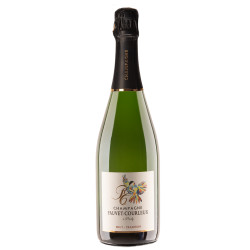

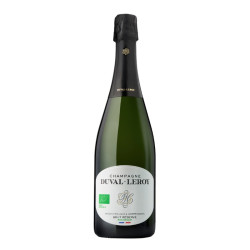


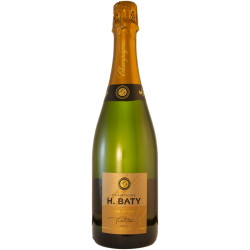

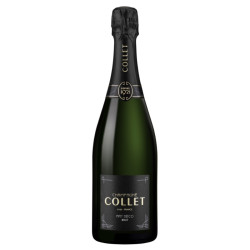


Champagne: Read the Dosage Before You Choose
Discover our selection of must-have Champagnes on Avenue des Vins, a collection of exceptional cuvées that will elevate your celebrations or accompany your special moments. A symbol of celebration, elegance, and refinement, champagne is a sparkling wine that showcases France to the world. Thanks to our carefully curated selection, you’ll find essential bottles from the finest houses, all at the best value for money!
A Champagne's dosage is printed on the label: its sweetness term, from brut nature to doux, tells you whether the wine will be taut or rounder. That sugar comes from the liqueur d'expédition added after disgorgement, and each term matches a threshold set by EU Regulation 2019/33.
From Brut Nature to Doux: Seven Sweetness Terms
A brut nature, also labeled pas dosé or dosage zéro, holds less than 3 grams of sugar per liter, with no sugar added after the second fermentation. An extra brut holds 0 to 6 grams, a brut less than 12.
Next come extra dry, 12 to 17 grams, sec (dry), 17 to 32, demi-sec (medium dry), 32 to 50, and doux (sweet), above 50.
Match the dosage to the moment. With aperitifs, oysters or seafood, a brut nature or extra brut keeps the palate clean. Brut carries on through the meal, from fish to poultry.
Extra dry or sec works with sweet-and-savory dishes.
Why Choose a Must-Have Champagne?
Whether for a refined aperitif, a festive event, or a family gathering, choosing the right champagne makes all the difference. Champagnes are distinguished by their unique production method called the “méthode champenoise,” which involves a second fermentation in the bottle. Our selection of must-have champagnes stands out for its perfect balance of freshness, aromatic complexity, and finesse on the palate. Whether made from Chardonnay, Pinot Noir, or Pinot Meunier, each champagne offers remarkable finesse and complexity.
Champagnes for Every Occasion
Our champagne selection includes cuvées suited to every occasion and palate. For a light aperitif or reception, opt for a brut champagne, which offers delightful freshness and aromas of citrus and white flowers. If you're looking to pair champagne with a meal, choose a vintage champagne with more complex aromas, featuring notes of brioche, dried fruits, and honey—perfect with seafood or gourmet dishes. For a touch of sweetness, indulge in a rosé champagne that will beautifully complement desserts made with red fruits or chocolate.
Whether you're looking for a champagne to celebrate a special moment or to give as a gift, you’ll find the perfect champagne on Avenue des Vins. Explore our selection of must-have champagnes now and enjoy our quality cuvées, delivered directly to your home from the estate or champagne house of your choice.
Frequently Asked Questions About Champagne
Why does a Champagne label show only one dosage term?
A Champagne label shows only one dosage term because EU Regulation 2019/33 requires a single choice when the sugar level fits two. The ranges overlap: at 2 grams per liter with no added sugar, a Champagne could be brut nature, extra brut or brut. The actual sugar level must stay within 3 grams per liter of the label.
How much of a harvest can become vintage Champagne?
Up to 80% of a given year's wine, bought or produced by a single house or grower, can become vintage Champagne. The rest is thus kept for blending and reserve wines. A vintage Champagne's base wines come from grapes of the year shown on the label.
Why is Champagne sold in the bottle where it became sparkling?
Champagne is sold in the bottle where it became sparkling because the appellation requires it. Transferring the wine is only allowed for bottles under 75 cl or over 150 cl. For those sizes, the bottle that reaches the table is the one where the wine aged on its lees until disgorgement.
Where can you buy Champagne direct from the winemaker?
You can buy Champagne direct from the winemaker on Avenue des Vins. Each wine's page names the producer who made it.
See also: Blanc de noirs Champagne - Blanc de blancs Champagne - Rosé Champagnes