Delivery from €16,90 per winemaker in Europe (excluding the United Kingdom)


IGP Pays d'Hérault
In the south of France, the very sunny vineyard of Languedoc-Roussillon extends over 240,000 hectares from Nîmes to Leucate (Aude), making it one of the largest vineyards in the world. It includes the IGP Pays d'Hérault. The appellation area of this IGP extends over the entire department of Hérault. The white, rosé and red wines of this appellation are known for their great diversity and reflect the characteristics of the terroir on which they were produced but also of the grape varieties used in their production. Typical grape varieties include Grenache, Syrah, Mourvèdre for the reds, and Vermentino, Roussanne, or Chardonnay for the whites. This diversity offers a rich and varied aromatic palette, ranging from fruity and floral notes to spicy and mineral nuances. The wines of the IGP Pays d'Hérault seduce with their authenticity and their ability to accompany a multitude of dishes, from aperitifs to the most sophisticated meals.
Filtrer


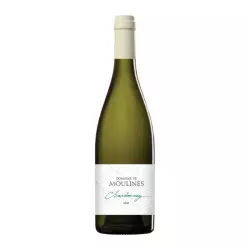


Paul mas réserve Carignan Vieilles Vignes
Château Paul Mas - Domaines Paul Mas Languedoc Roussillon
€9.50



Bérange, Cassan, Cessenon: Sixteen Named Subzones
On the label, Pays d'Hérault can be followed by the name of one of its sixteen smaller areas: Bérange, Bénovie, Pays de Bessan, Cassan, Pays de Caux, Cessenon, Collines de la Moure, Coteaux de Bessilles, Coteaux de Fontcaude, Coteaux de Laurens, Coteaux de Murviel, Coteaux du Salagou, Côtes du Brian, Côtes du Ceressou, Mont Baudile and Monts de la Grage.
From Canton Wine to Vin de Pays de l'Hérault
In 1964, French rules defined "vin de canton," wine from an administrative area with consistent soils and climate. A 1968 decree turned these canton wines into vins de pays, or country wines, each with its own production rules: Vin de Pays de l'Hérault was recognized on September 13, 1968.
Today it is an IGP (Indication Géographique Protégée), the French term for a Protected Geographical Indication, or PGI. It is not an AOC: Hérault's AOCs, such as Faugères or Terrasses du Larzac, each follow their own rules. Our article on the difference between AOC, AOP and IGP wines explains how these labels compare.
Vines go back a long way here: the IGP recalls the trading post Greek settlers from Phocaea set up at Agde around 600 BC, and the winter of 1709, when frost spared the Mediterranean coast and its vines were used to replant frozen vineyards elsewhere in France.
Covering an Entire Département
The IGP covers the whole Hérault département, where grapes are harvested and the wine is made; winemaking is also allowed in a nearby zone of villages in the Aude, Aveyron, Gard and Tarn. Vineyards run from sea level and the coastal lagoons up to nearly 400 m (roughly 1,300 ft) in the foothills of the Massif Central.
A subzone, by contrast, is limited to a list of villages: just one for Cessenon and for Pays de Bessan, two for Pays de Caux (Caux and Pézenas), and twenty-seven for Collines de la Moure, around Montpellier. Its name may not be printed in larger letters than Pays d'Hérault.
Soils vary: schist along the edge of the Cévennes, hard limestone on the causses, stony terraces from the Rhône, Vidourle, Hérault and Orb rivers, marl, sandstone and basalt. Rainfall rises from 500 mm to nearly 1,000 mm (20 to 39 in) in the foothills, and the mistral meets the tramontane here.
Still Reds, Rosés and Whites, Mostly Made to Drink Young
Only still wines carry this name: red, rosé and white. The IGP makes about 900,000 hl (roughly 23.8 million US gallons) a year, about half of it red, and it describes its wines as "above all" light and fruity, meant to be enjoyed young.
Reds come mainly from Merlot, Syrah, Grenache, Marselan, Cabernet Sauvignon or Pinot Noir. Grapes for the pale rosés are picked at the end of the night to keep their acidity, and white grapes, including Sauvignon Blanc, Chardonnay, Vermentino and Viognier, are also harvested at night.
Pays d'Oc and Grape Varieties: Your IGP Pays d'Hérault Questions
What is the difference between IGP Pays d'Hérault and IGP Pays d'Oc?
IGP Pays d'Hérault wine comes only from grapes grown in the Hérault. IGP Pays d'Oc wine can also come from the Aude, Gard, Pyrénées-Orientales or six villages in Lozère. A wine from the Hérault can therefore carry either name, depending on which set of rules its producer follows.
How many grape varieties does IGP Pays d'Hérault allow?
IGP Pays d'Hérault allows 123 grape varieties, including Grenache and Carignan but also Spanish Tempranillo and Greek Assyrtiko. Alongside the region's traditional grapes, it includes varieties brought in from other French regions, such as Merlot, Syrah and Chardonnay.
Where can you buy IGP Pays d'Hérault wine direct from the winemaker?
You can buy IGP Pays d'Hérault wine direct from the winemaker on Avenue des Vins. Every wine’s page gives the name of its producer.
See also: IGP Côtes de Thongue - AOC Faugères - AOC Terrasses du Larzac