Delivery from €16,90 per winemaker in Europe (excluding the United Kingdom)


IGP Côtes-du-lot
As its name suggests, this vineyard is located in the South-West of France, between the Massif Central and the Pyrenees, and extends over 11 departments (Aveyron, Dordogne, Gers, Haute-Garonne, Hautes-Pyrénées, Lot, Lot-et-Garonne, Tarn, Tarn-et-Garonne, Pyrénées-Atlantiques, Landes). It includes the IGP Côtes du Lot. The appellation area of this IGP extends over the territory of the Lot department in the South-West of France. The white, rosé and red wines of this appellation are known for their great diversity and reflect the characteristics of the terroir on which they were produced but also of the grape varieties used in their production.
Filtrer

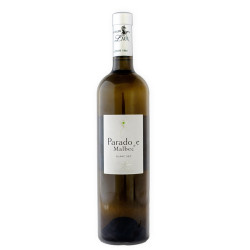


Côtes du Lot: Royal Letters Patent for Its Wines in 1287
IGP Côtes du Lot is the PGI for still red, white or rosé wines made from grapes picked in the Lot department; Côt (Malbec) and Merlot are among its main dark grapes, Chardonnay and Viognier among its main white ones. Today its vines cluster in the Lot valley and on its slopes, at Rocamadour and near the Cère river.
Key figures
- Area: the Lot department
- Colors: red, rosé, white (still wines)
- Smaller named area: Rocamadour
- Maximum yield: 120 hl/ha (about 1,280 US gal per acre)
A Wide-Open List of Grapes
Reds and rosés come mostly from Côt, Merlot, Gamay, both Cabernets, Tannat, Syrah or Segalin; whites, from Chardonnay, Chenin Blanc, Sauvignon Blanc, Sémillon and Viognier. Len de l'El, Mauzac and Colombard also rank among the main white grapes.
The IGP allows every classified wine grape variety, and the label may name one or more of them. It may also add the wider region, "Sud Ouest", in type no bigger than the IGP name.
The whites show a deep, bright yellow color and aromas of white flowers, pear and quince. The rosés have a fairly deep color.
Limestone Causses and Lot River Terraces
Most of the department sits on the causses of Quercy, rolling limestone plateaus backed to the northwest by the older Ségala rocks at the Massif Central's edge, and capped to the southwest by the soft limestone of the Quercy Blanc. Two major rivers cut deep east-west valleys through it: the Dordogne to the north, the Lot to the south.
Vines grow on the Lot's old alluvial terraces and on the limestone uplands and hillsides, generally well-drained soils that warm up quickly. The climate is Atlantic, with continental influences, stronger in the north, and Mediterranean ones.
Spring rain feeds the vines as they grow; hot, dry, sunny summers ripen the grapes; mild autumns give the latest varieties time to reach full ripeness.
Quercy, Home to Vines Since the Roman Conquest
Grown in Quercy since the Roman conquest, vines took off from the 10th century around the region's many abbeys. Some abbeys sold their wine to Bordeaux merchants: it went down the Lot or the Dordogne, and part of it sailed on to Northern Europe.
In 1287, the king granted letters patent for the trade in "Côtes du Lot" wines. Quercy had some 40,000 hectares (about 99,000 acres) of vines in the mid-1800s, before phylloxera struck. After a long rebuilding, the vineyard gained recognition under the name Vin de Pays du Lot, which came before IGP Côtes du Lot.
At Rocamadour, a famous religious town that had 200 hectares (about 490 acres) of vines before phylloxera, a small group replanted vines in the early 2000s. Wines from grapes picked in this town may add "Rocamadour" to the IGP name.
Côtes du Lot, Glass in Hand
Is a Côtes du Lot wine a Cahors?
IGP Côtes du Lot and AOC Cahors are two separate names that share the Lot department. Cahors is for reds only, with Côt (Malbec) as its main grape, from a set list of villages; the IGP also allows rosés and whites anywhere in the department, from a far wider range of grapes.
Is IGP Côtes du Lot wine dry or sweet?
A white or rosé IGP Côtes du Lot may be dry or hold some sugar; if it is medium dry, medium sweet or sweet, the label says so. The rosés are fruity and tangy, with varying sweetness. Under EU law, medium sweet means above medium dry and up to 45 g/l of sugar; sweet starts at 45 g/l.
When should you drink a red Côtes du Lot?
A red Côtes du Lot is pleasant to drink young: purple-violet in color, it offers red-fruit aromas and fermentation notes. Unless it is labeled primeur or nouveau, it must finish malolactic fermentation before release.
Where can you buy IGP Côtes du Lot wine direct from the winemaker?
You can buy IGP Côtes du Lot wine direct from the winemaker on Avenue des Vins. Every wine's page shows its appellation and region.
See also: AOC Cahors Wine - IGP Comté Tolosan - IGP Périgord