Delivery from €16,90 per winemaker in Europe (excluding the United Kingdom)


IGP Ardeche
Spread over more than 65,000 hectares of vines, the Rhône Valley vineyard is the second largest French AOC vineyard and covers 6 departments between Vienne and Avignon. It includes the IGP Ardèche. The geographical area of this IGP extends over the territory of many communes in the Ardèche department and a few communes in the Gard department, such as Aubenas, Rochemaure and Les Vans. The white, rosé and red wines of this IGP are known for their great diversity and reflect the characteristics of the terroir on which they were produced but also of the grape varieties used in their production.
Filtrer
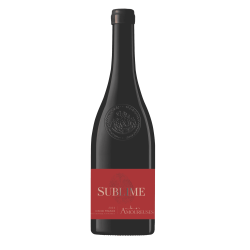


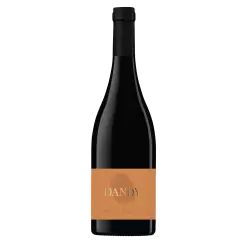


IGP Ardèche: Coiron Basalt, Rolled Pebbles, Ancient Sandstone
IGP Ardèche, a protected geographical indication, takes in every commune in Ardèche plus eleven neighboring communes in the Gard, including Barjac. Its reds, rosés and whites grow from the garrigue scrubland of Bas-Vivarais up to the Cévennes slopes, on strikingly varied soils: basalt on the Coiron plateau, rolled pebbles on the Rhône hillsides, very old sandstone in the Cévennes.
Five Natural Regions, From the Rhône to Mont Mézenc
The department, the former province of Vivarais, rises from 131 feet (40 m), where the Ardèche River meets the Rhône, to 5,755 feet (1,754 m) at Mont Mézenc. It falls into five natural regions: the mountains, the Haut-Vivarais and Cévennes plateaus, Bas-Vivarais, the Coiron plateau and the Rhône Valley. Most vineyards lie in the southern half.
In Bas-Vivarais, with its hot, dry, almost Mediterranean climate, vines grow among garrigue, thyme and lavender. Grenache does well on the hillsides and Syrah on slightly richer soils, and the reds pick up spicy notes and more structure.
On the Coiron, a basalt plateau south of Privas, growers favor early-ripening grapes: the basalt brings fruit and freshness to reds and finesse to whites. In the south of the Rhône Valley, rolled pebbles yield fruity, structured reds. In the Cévennes, acidic, free-draining sandstone gives reds pronounced fruit.
What the IGP Allows Alongside Nearby AOCs
An IGP Ardèche label can name a single grape variety, or several when the wine is a blend. The choice is wide: the IGP allows nearly 180 varieties, from Plant de Brunel to Viognier and from Marsanne to Tempranillo. Yields can reach 90 hectoliters per hectare for reds and whites, and 110 for rosés.
The wines may also carry the name “Coteaux de l'Ardèche.” This is a smaller geographical unit within IGP Ardèche, not a separate IGP, and it covers 149 communes in Ardèche and the same eleven in the Gard.
Over part of the area, AOCs overlap the IGP. The Côtes du Rhône AOC includes Ardèche communes close to the river, and the Côtes du Vivarais AOC brings together nine communes in Ardèche and five in the Gard, around the Ardèche gorges. Each follows its own rules.
A Mostly Cooperative Wine Industry
Some 85 to 90% of Ardèche's wine comes from cooperatives. There are twelve cooperative wineries joined in a union, three independent cooperatives and sixty private wineries. In the 1980s, private and cooperative wineries alike modernized their winemaking equipment, after the vineyards switched to new grape varieties in the late 1970s.
In the 2023 harvest, wines under an IGP, all IGPs combined, made up 76% of the department's marketable volume, according to French customs figures published by Inter Rhône.
Chatus, Faïsses, Fossil Vines: Your IGP Ardèche Questions
What is Chatus, the grape of the Ardèche Cévennes?
Chatus is a black grape native to the Ardèche Cévennes, allowed in IGP Ardèche. Phylloxera wiped it out in 1880, then the vineyard overhaul that began in the 1960s left it aside; it was rediscovered in the 1990s. It makes powerful, tannic wines with a strong character.
What are the faïsses in Ardèche vineyards?
Faïsses are terraces held up by stone walls, and they carry most of the vineyards in the Ardèche Cévennes, within the IGP Ardèche area. They climb from about 650 to 2,950 feet (200 to 900 m) and take careful upkeep. They are one of the marks vines leave on the landscape.
Why is there talk of fossil vines near Privas?
Near Privas, within the IGP Ardèche area, the imprint of vine leaves was found in Pliocene rock several million years old. Abbé Boulay, a botany professor at the Université Libre de Lille, described it in a study of the area's Tertiary flora. It hints that the vine may be native to Ardèche.
Where can you buy IGP Ardèche wine direct from the winemaker?
You can buy IGP Ardèche wine direct from the producer on Avenue des Vins. Each order is prepared and sent by the producer, not from a warehouse.
See also: IGP Méditerranée - AOC Côtes du Rhône Villages - IGP Vaucluse